
History & Facts
Williamsburg is a historic city in the southeastern part of the state of Virginia and is known for its well-preserved colonial-era charm and its role in American history.
Williamsburg is part of the “Historic Triangle,” alongside Jamestown and Yorktown, key locations in early U.S. history. Together, these three sites tell the story of colonization, the fight for independence, and the foundation of the United States. Jamestown being the first permanent English colony in the New World, Yorktown, where the British Army, led by General Cornwallis, surrendered to American and French forces in 1781, effectively ending the Revolutionary War. This victory secured American independence, and Williamsburg, which not only served as the Capital of Virginia, it was the site of revolutionary debates that helped spark the American Revolution.
Colonial Williamsburg, a living history museum, is the city’s main attraction, featuring restored and reconstructed 18th-century buildings. Visitors can explore cobblestone streets, interact with costumed interpreters, and experience colonial life through workshops and reenactments.
The city is home to the second-oldest university in the United States, the College of William & Mary, which was founded in 1693.
Williamsburg’s long past has given rise to tales of hauntings, with ghost tours highlighting its spookier side. Locations like the Peyton Randolph House and Bruton Parish Churchyard have legends of their own.
Williamsburg is a fascinating mix of history, education, and entertainment.
Why Is Williamsburg Haunted
Williamsburg, Virginia, is considered haunted by many due to its rich history, which includes centuries of war, colonial life, and personal tragedies. The city’s connection to significant historical events, combined with well-preserved buildings and ghostly folklore, creates a perfect setting for paranormal tales.
Colonial History
As a living history museum, Williamsburg is a well-preserved colonial town where many original buildings and streets remain intact or have been authentically reconstructed. This preservation creates an immersive setting where history feels alive, and ghost stories resonate more deeply.
The city was the site of the first elected legislative body in America, where debates about liberty and revolution stirred great passion. Some paranormal investigators believe such charged energy leaves behind what they call “residual hauntings” tied to pivotal moments in history.
Unlike modern cities where ghost stories often feel disconnected, Williamsburg’s ghost stories are tied to real, documented historical events and people. The city’s meticulously preserved colonial setting allows visitors to feel immersed in a time when life was harsh, death was ever-present, and the boundary between the living and the dead felt closer than it does today.
War
Williamsburg was the capital of Virginia during much of the Revolutionary War and a center for political and military decision-making. Its prominence made it a focal point for activity, including troop movements, meetings, and battles. The area saw hardships, battles, and deaths, leaving behind plenty of material for ghostly tales.
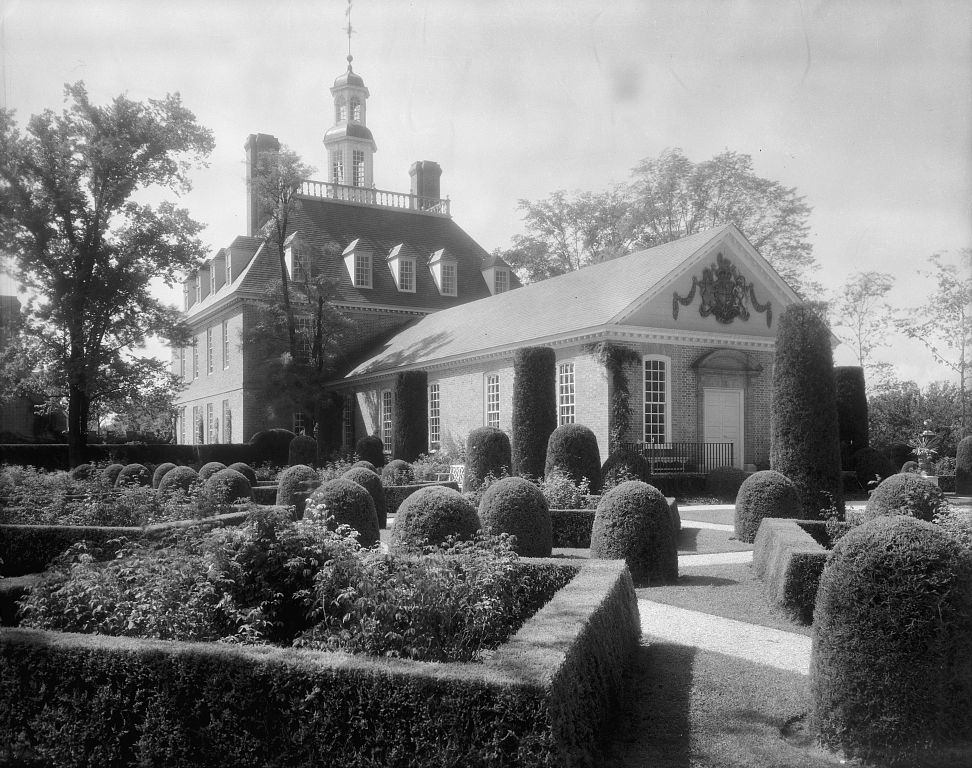
During the war, the Governor’s Palace was converted into a hospital for wounded Continental Army soldiers. Medical practices at the time were rudimentary, and many soldiers suffered and died there due to injuries, infections, and lack of proper care. Visitors and staff report unexplained phenomena, including the sounds of groaning, phantom footsteps, and apparitions of soldiers in agony. Some often report cold spots, strange noises, and the feeling of being watched.
Williamsburg is located near Yorktown, where the Revolutionary War’s final major battle took place. The intense emotional and physical energy from this nearby battlefield is thought to resonate in Williamsburg, creating a backdrop for paranormal activity.
Many of Williamsburg’s buildings, such as the Peyton Randolph House and the Wren Building, stood through the Revolutionary War and reportedly absorbed the trauma of the era. Ghostly encounters reported in these places often include figures in 18th-century military attire.
Disease
Outbreaks of typhoid, dysentery, and smallpox ravaged Williamsburg’s population, affecting soldiers, civilians, and enslaved people alike. Many victims died in agony, often isolated from their loved ones due to the contagious nature of the illnesses. These lonely deaths are believed by some to have left ghosts behind in the places where the victims experienced profound suffering.
Children were particularly vulnerable to diseases like smallpox. The Peyton Randolph House, famously said to be haunted, is tied to stories of children’s spirits, possibly linked to diseases that swept through the household and the community.
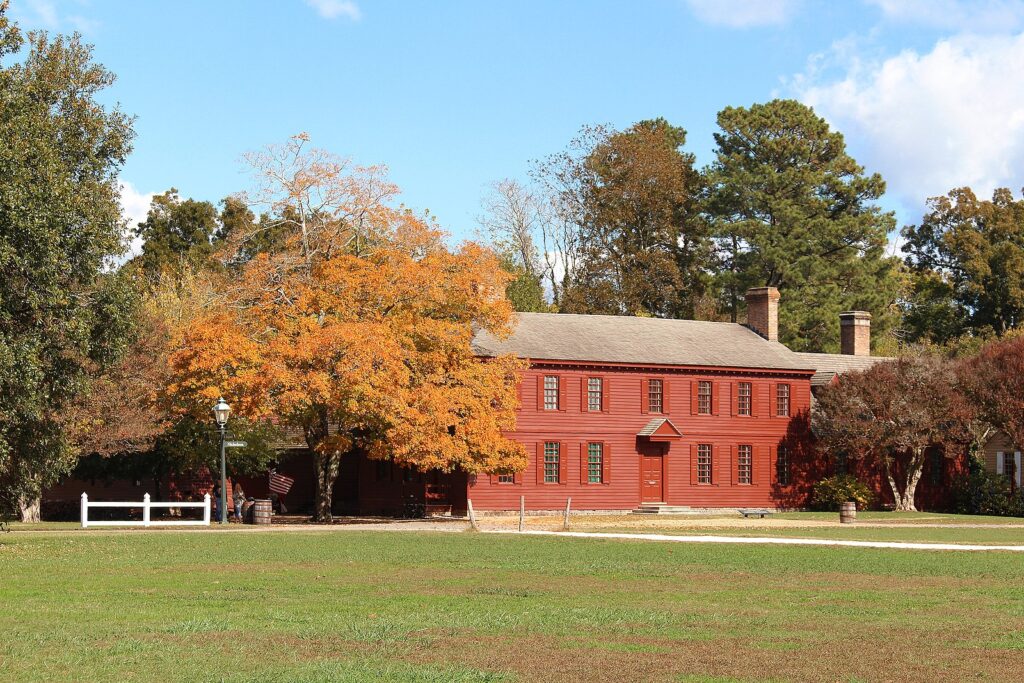
Overwhelmed by the number of deaths, bodies were often buried in hastily dug mass graves or unmarked plots. These forgotten resting places feed legends of ghosts who never received proper burial rites.
The city’s blend of history, tragedy, and preserved sites allows the past to feel alive. Williamsburg’s haunting stories reflect the collective memory of the city’s inhabitants over centuries.