
History
Old Town
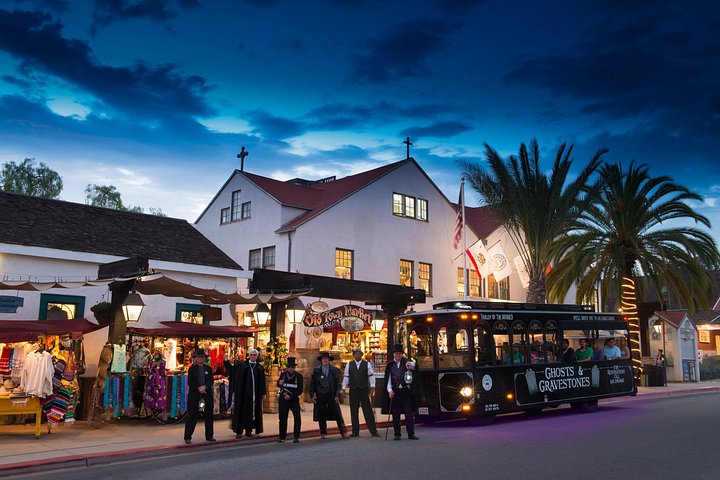
San Diego began on a hill. In 1769, Spain built a military outpost and the first of California’s 21 missions on Presidio Hill, in the homeland of the Kumeyaay, who have lived in the region for thousands of years. Mexico won its independence from Spain in 1821, and in the years that followed, soldiers from the outpost began building adobe houses below the hill. That settlement is Old Town, and the City of San Diego calls it the “Birthplace of California.”
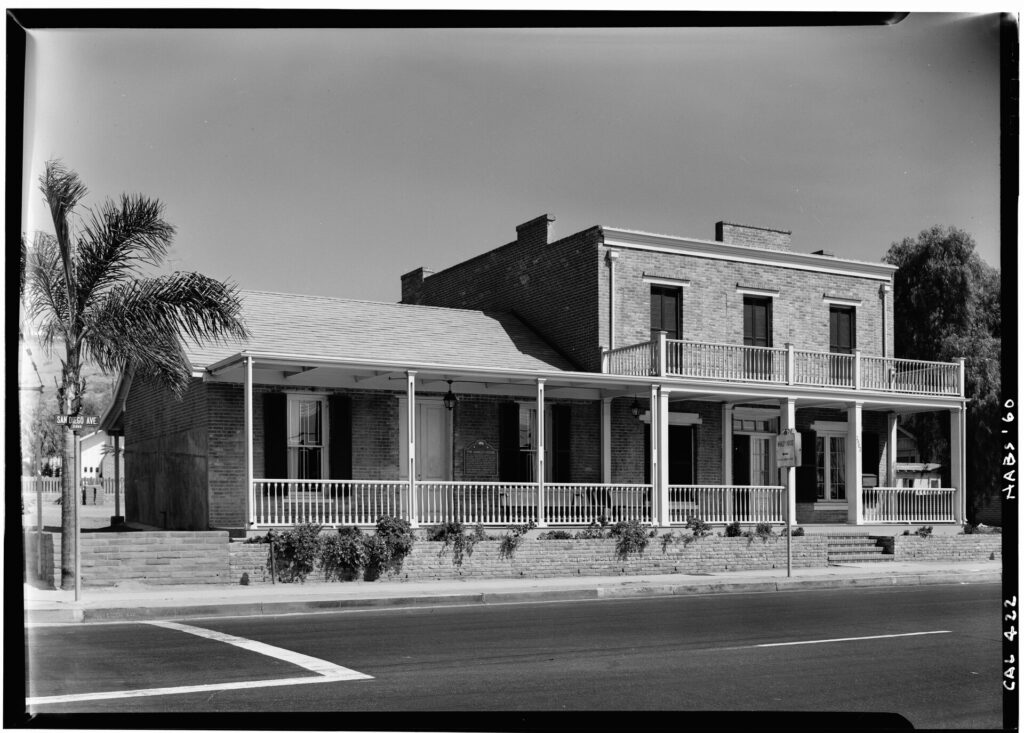
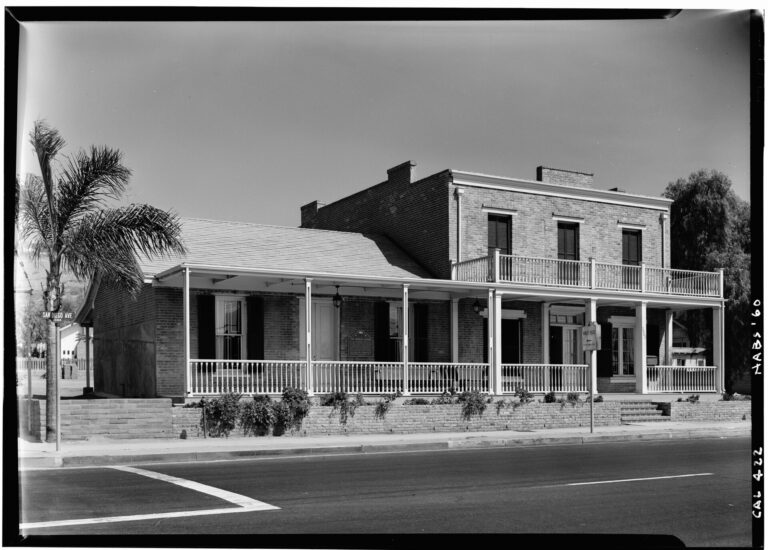
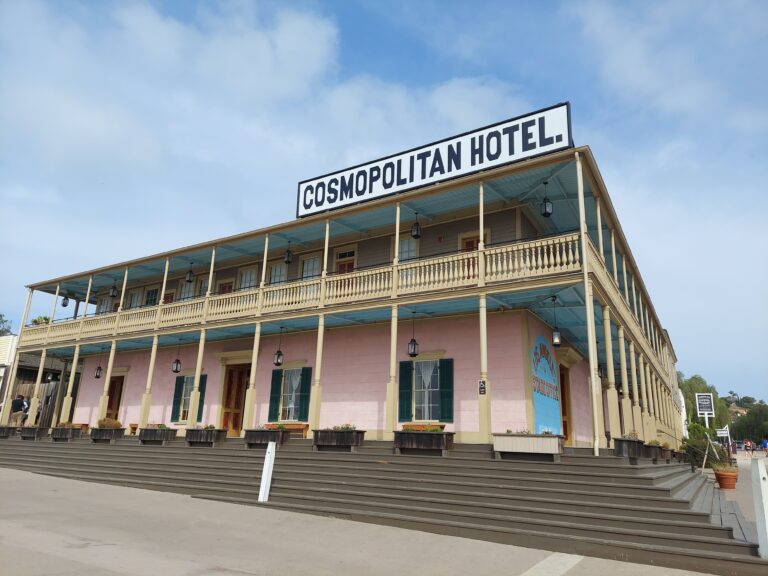
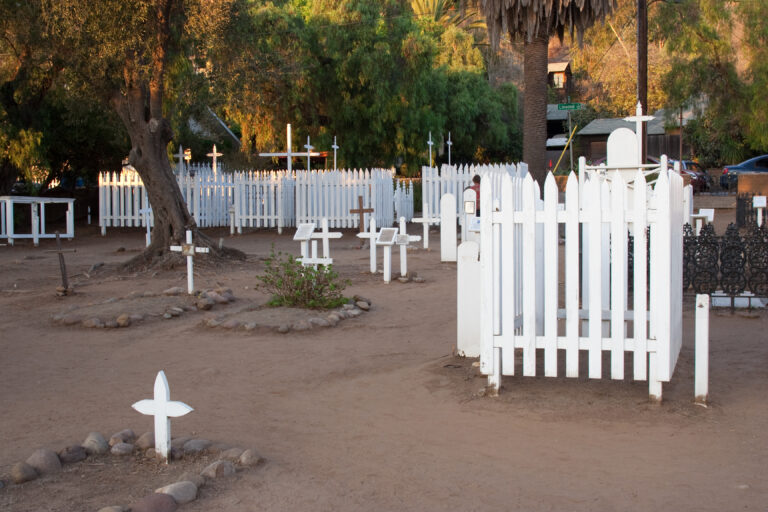
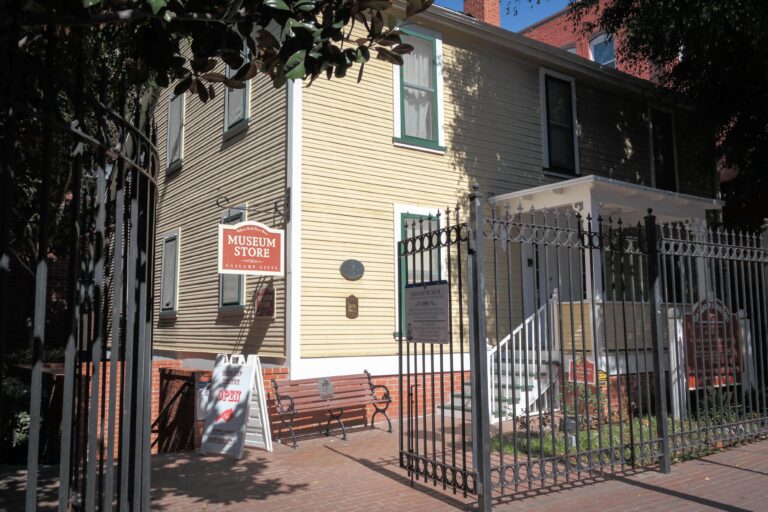
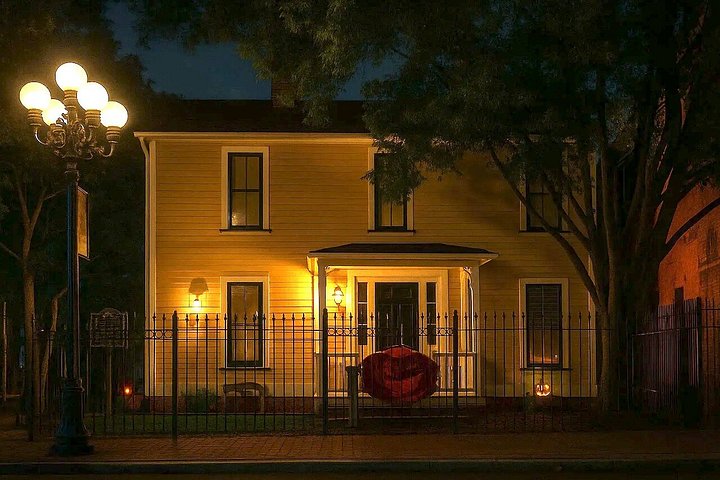
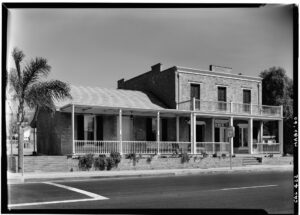
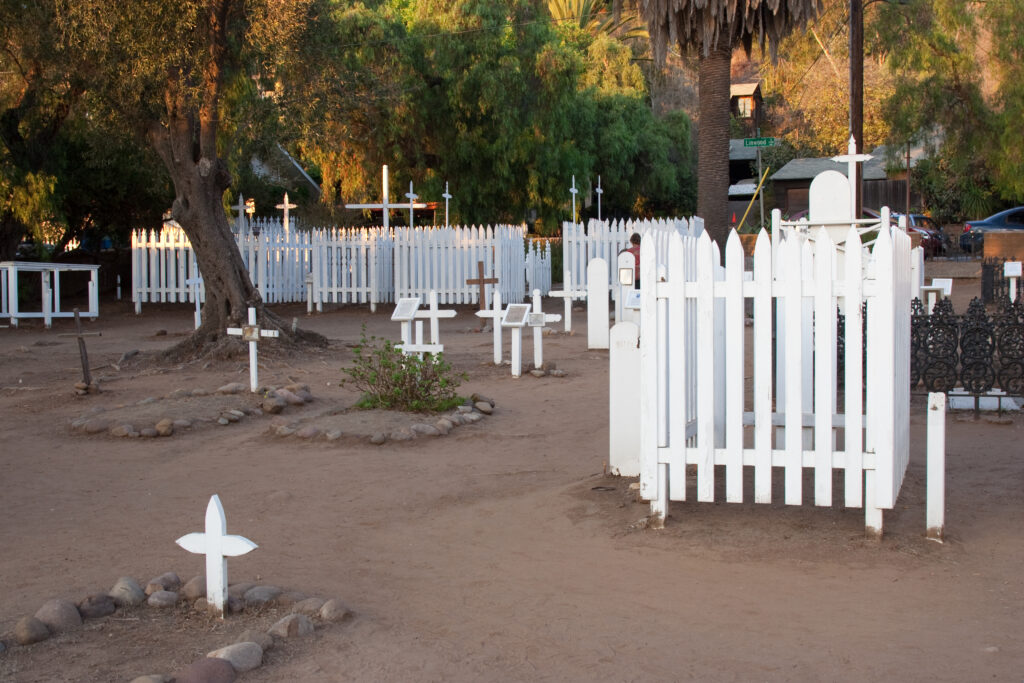
The United States took San Diego in its war with Mexico, which began in 1846, and three places in this guide date from the decades on either side of that change. Juan Bandini built his adobe house in the 1820s, and it is now the Cosmopolitan Hotel. The town began burying its dead at El Campo Santo, on San Diego Avenue, in 1849. Two blocks up the same street, a businessman named Thomas Whaley built the brick Whaley House in 1857.
New Town
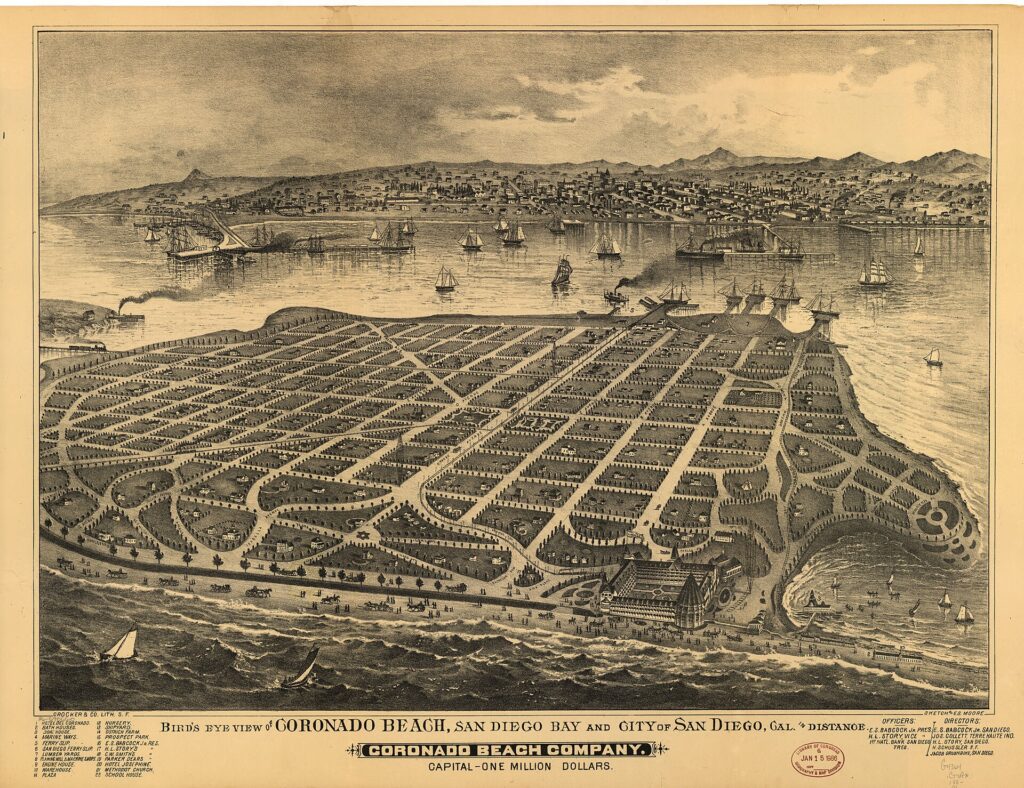
In 1867, a San Francisco merchant named Alonzo Horton arrived by steamer, looked over Old Town, and decided the city belonged down by the harbor. He bought 800 acres of waterfront at auction and began selling lots. His New Town quickly eclipsed the old one, and the government offices moved there. A fire in 1872 destroyed seven of Old Town’s buildings and ended any hope of a comeback. San Diego’s center has been at the harbor, a few miles to the south, ever since.
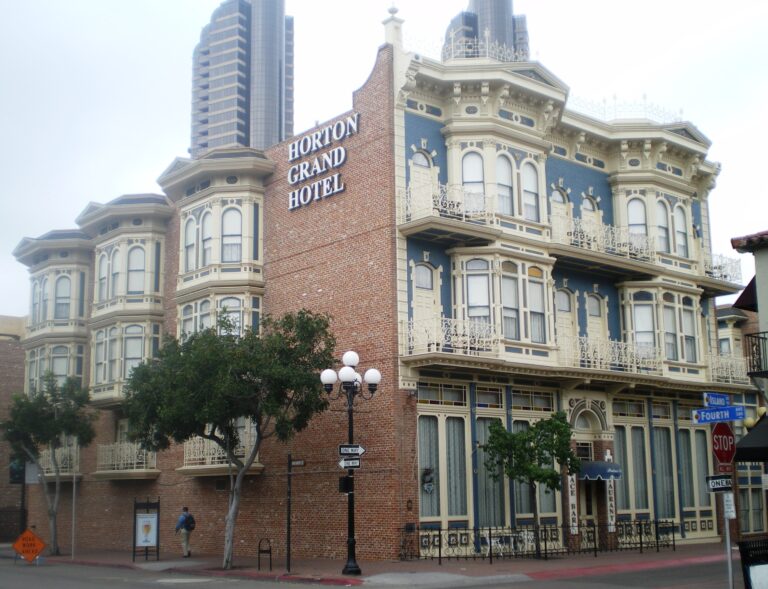
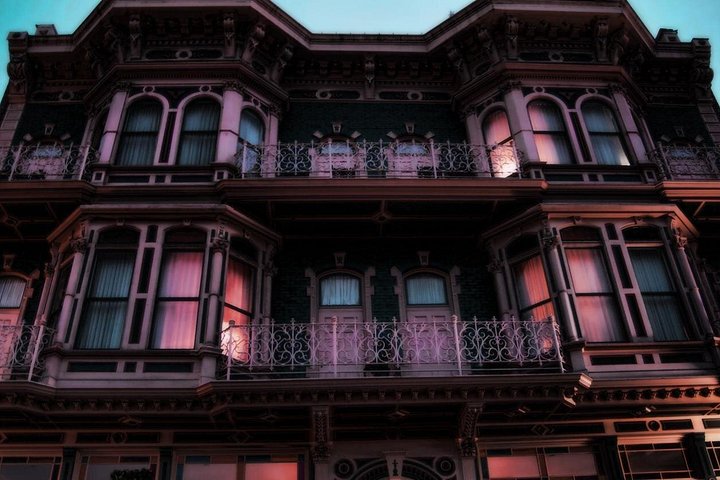
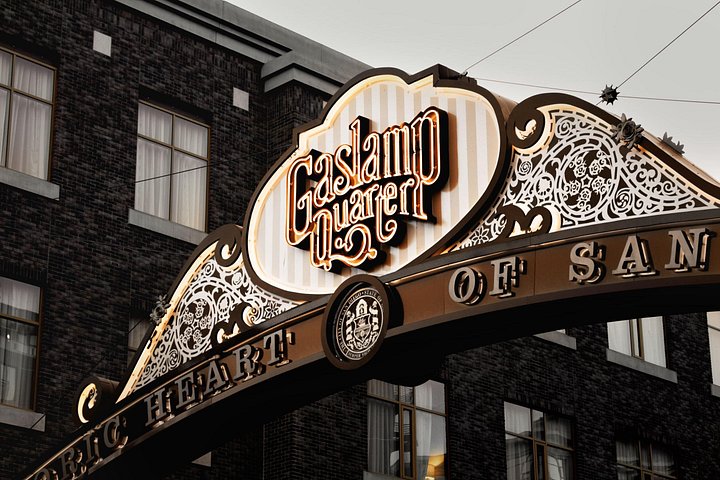
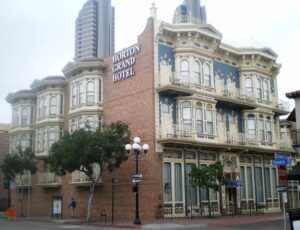
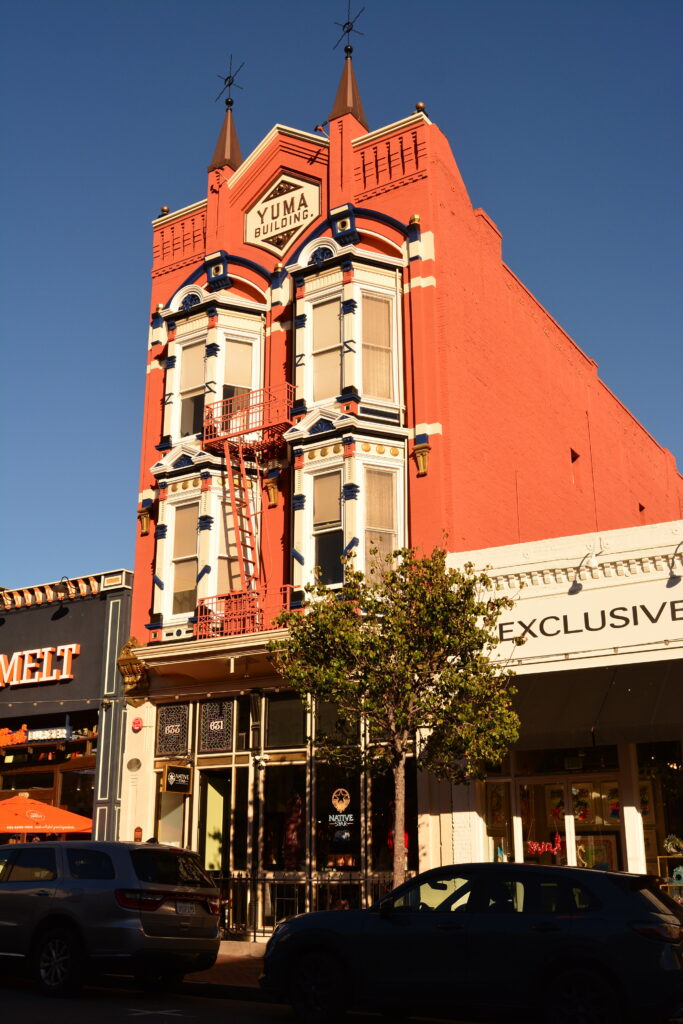
Horton’s town boomed through the 1880s, and the Victorian downtown that the boom built is now called the Gaslamp Quarter. Two of its hotels are joined today as the Horton Grand Hotel.
Horton was not the first to try the harbor. In 1850, William Heath Davis shipped a dozen prefabricated houses from Maine for a waterfront town of his own, and the town failed. Horton bought one of the houses for $100 in 1867. It is now the Davis-Horton House, and neither it nor the two hotels stand where they were built.
The Stingaree
As business moved north of Market Street, the older blocks nearer the harbor became the Stingaree, the city’s red-light district. Its name is said to come from the stingrays in the bay. The Gaslamp Quarter’s business association counts 71 saloons and 120 brothels in the Stingaree of 1887. The historian Elizabeth MacPhail wrote that vice was allowed to carry on openly there, as long as it stayed inside the district. Today, those blocks are the lower end of the Gaslamp Quarter, where the Horton Grand and the Davis-Horton House stand.
That arrangement ended on a Sunday in November 1912, when police swept the Stingaree and took 138 women to headquarters. All but two promised to leave the city. That Tuesday, the San Diego Union noted that the women who had gone to Los Angeles, almost without exception, “bought return-trip tickets.”
Why Is San Diego Haunted?
San Diego’s ghost stories grow out of four things: the age of Old Town, the graves that were built over, the harbor, and the old vice district. A fifth is odder. This city moves its buildings, and the stories go with them.
Age
Old Town has had the longest to collect its dead, and three of the city’s best-known haunted places stand there within a few blocks of each other. The Whaley House’s plaque says it was built on a lot where a man had been hanged five years earlier. El Campo Santo, two blocks south, is the cemetery where Old Town buried its dead. The Cosmopolitan Hotel says Ysidora Bandini, a daughter of the man who built its adobe walls, still visits Room 11.
Cemeteries
Twice in this county, builders have gone over a graveyard and left some of the dead behind. The state’s landmark record says a street railway cut through El Campo Santo in 1894. San Diego Avenue now covers part of the cemetery, and the graves are still under it. In 2024, the writer Vince Meehan told readers of the local magazine The Scene SD what that means for happy hour in Old Town: “gaze down at your feet. You may be quite literally partying with the dead!”
About 35 miles up the coast, in Oceanside, the Hunter Steakhouse stands on the old Buena Vista Cemetery. Workmen dug up the graves they could find before it was built, and Oceanside historian Kristi Hawthorne believes some of the dead are still there. Ken Harrison of the weekly San Diego Reader knew a manager at the restaurant. “She refused to go down to the basement alone, having felt the creepiness before,” he wrote in 2016. He also noted what the restaurant’s old sign had offered: “Food, Wine, & Spirits.”
The Harbor
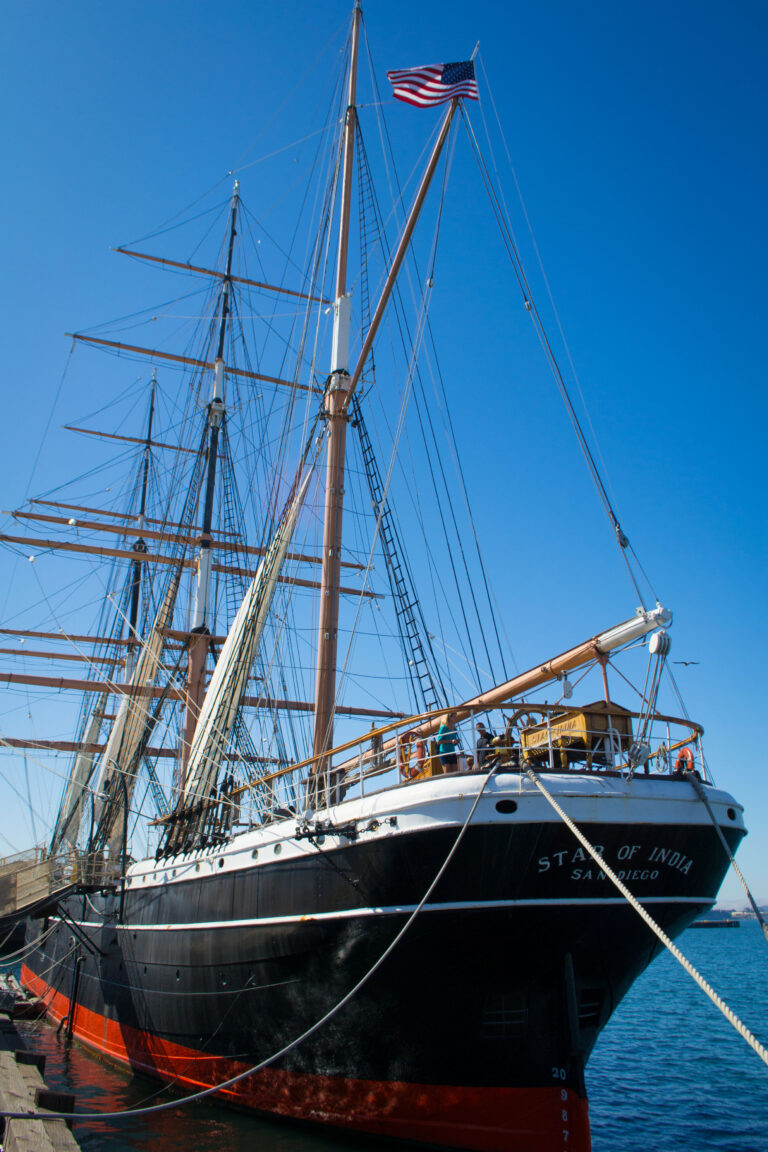
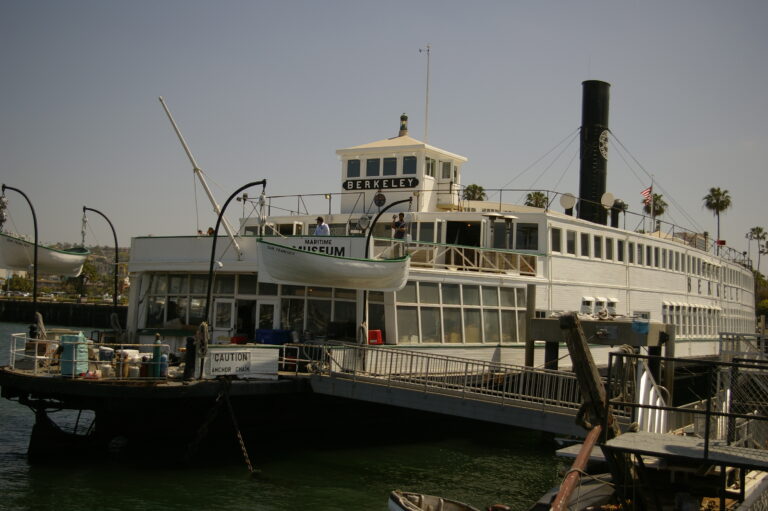
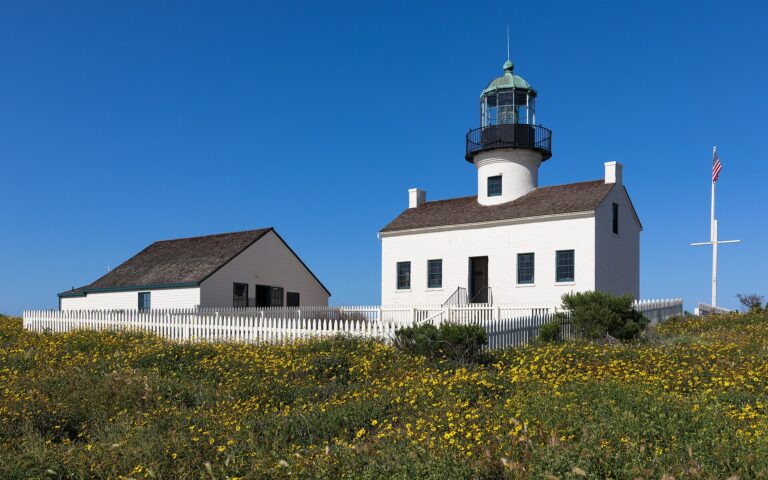
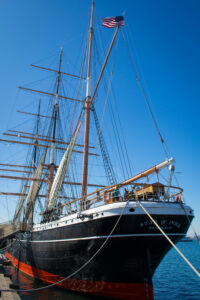
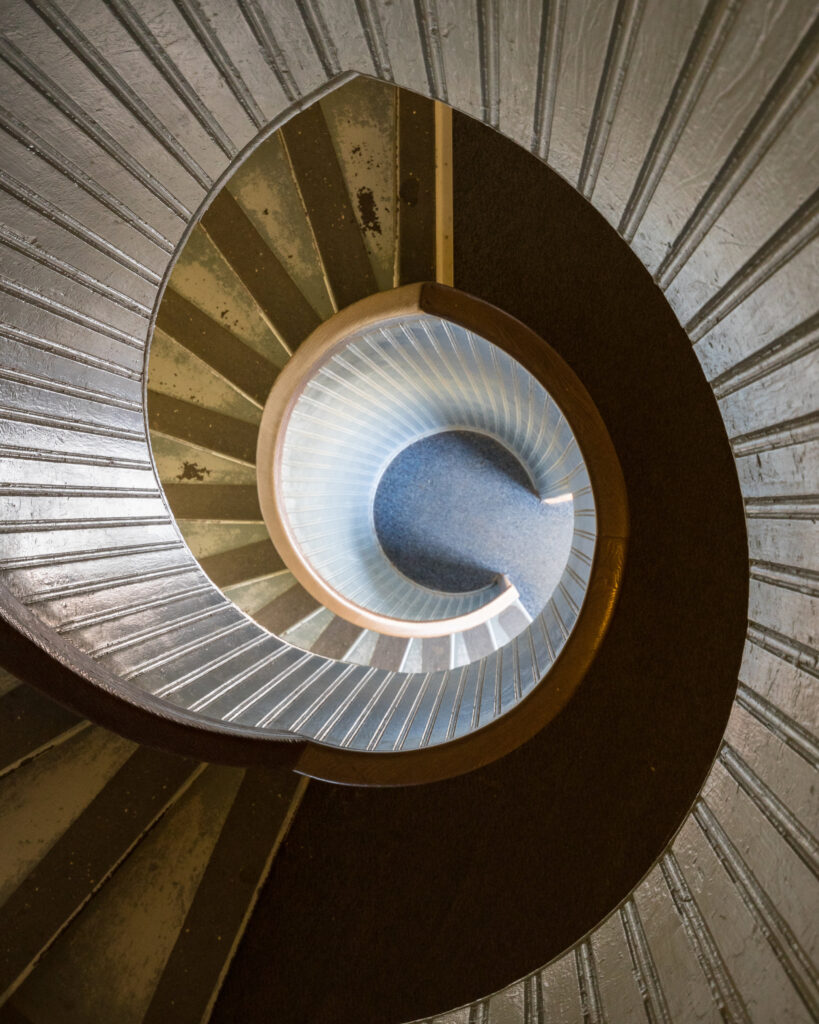
San Diego is a harbor city, and two of its haunted places float. The Star of India, a sailing ship, and the Steam Ferry Berkeley are both part of the Maritime Museum on the downtown waterfront. The Star’s ghost stories are of deaths at sea, and the Berkeley’s of an explosion on San Francisco Bay in 1911. Out on Point Loma, at the mouth of the bay, the Old Point Loma Lighthouse was lit from 1855 until 1891. Robert Israel was its keeper from 1873 until it went dark, and he is the one visitors are said to hear on the stairs.
The Stingaree
The Gaslamp Quarter’s two best-known haunted buildings, the Horton Grand and the Davis-Horton House, stand in the old Stingaree, but neither was built there. Local lore gives the Horton Grand one ghost that belongs to its new address: Ida Bailey, a Stingaree madam whose brothel had stood on the same ground. The stories the two buildings are best known for came with them.
Moved Buildings
In most cities, a ghost story stays where something happened. San Diego’s travel. The Davis-Horton House has been moved twice. The first move, in 1873, took it to 11th Avenue and K Street to serve as the county hospital. According to KPBS, San Diego’s public broadcaster, the spirits of people who died in that hospital are believed to be in the house still. If so, they have changed address. The second move came after the house was given to the city in 1977, and took it to Island Avenue to become a museum. The Horton Grand’s two hotels were taken apart a brick at a time and rebuilt side by side a few blocks away, where they reopened as one in 1986. The two ships brought their stories here from other waters.