

Spookt’s Guide to

Haunted Chicago, Illinois

Chicago is the city where the ghost tour and the gangster tour are usually the same tour.

Chicago’s most famous ghost stories come with body counts: 602 in a theater fire, 844 in the river, and perhaps 12,000 left behind when the city moved its lakefront cemetery.

All 12 ghost tours in Chicago

Book through our links and Spookt gets a small cut, at no extra cost to you. It keeps the research going. How that works

Famous Hauntings

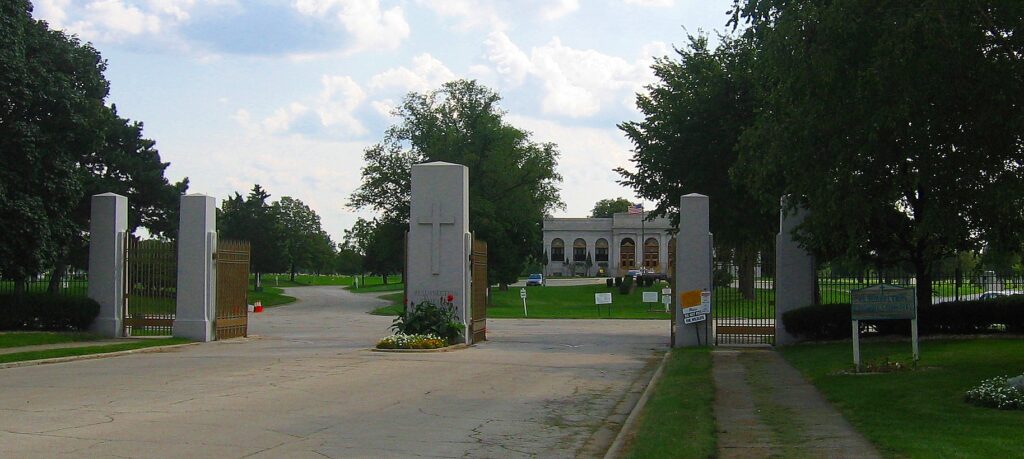
Resurrection Mary

The first documented sighting of Resurrection Mary, according to a Chicago Public Library librarian writing for Gapers Block, came in 1936. Jerry Palus danced with a young woman at the Liberty Grove Hall and offered to drive her home. She directed him down Archer Avenue, where she ran from the car and vanished at the gates of Resurrection Cemetery in Justice. Ursula Bielski credits the late Richard Crowe with taking her story out of the corner taverns and putting it on a bus.

Place: Resurrection Cemetery

Death Alley

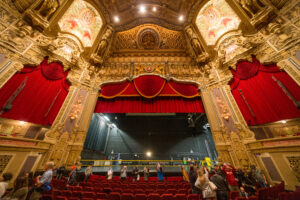
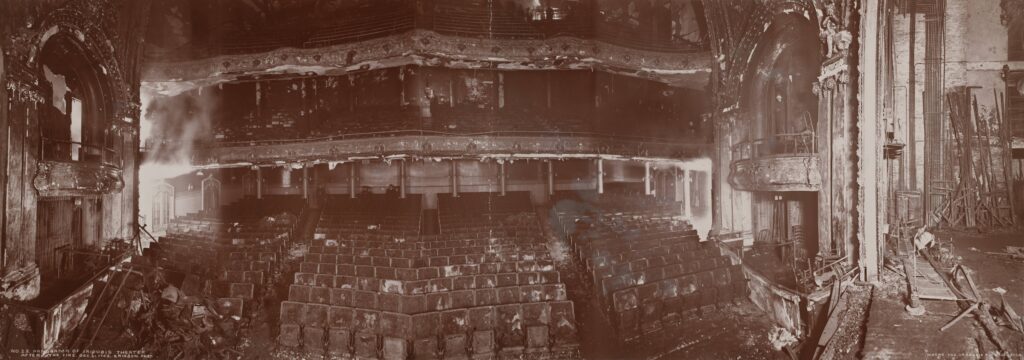
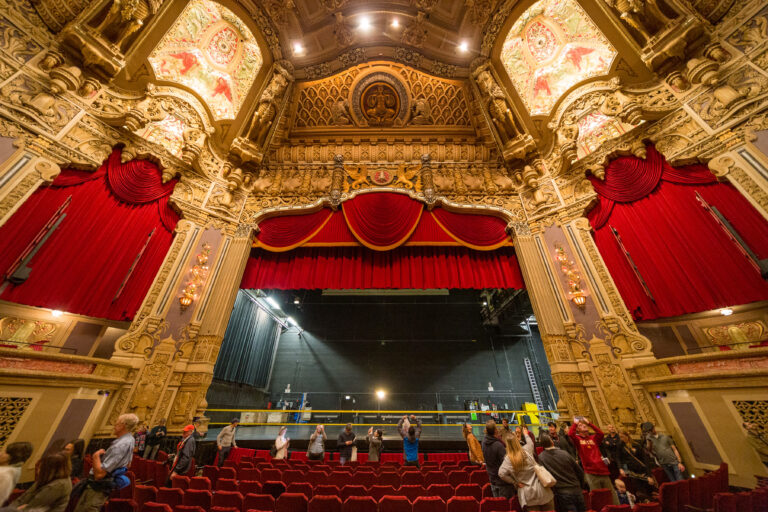
The Iroquois Theatre fire of December 30, 1903, killed 602 people. The Nederlander Theatre stands on the site now, and Couch Place, the loading alley behind it, is the one locals call Death Alley, according to Windy City Ghosts. Inside, casts rehearsing onstage report shadow figures moving in the balcony, Tony Szabelski of Chicago Hauntings told CBS.

Place: Nederlander Theatre

The Faces in the River

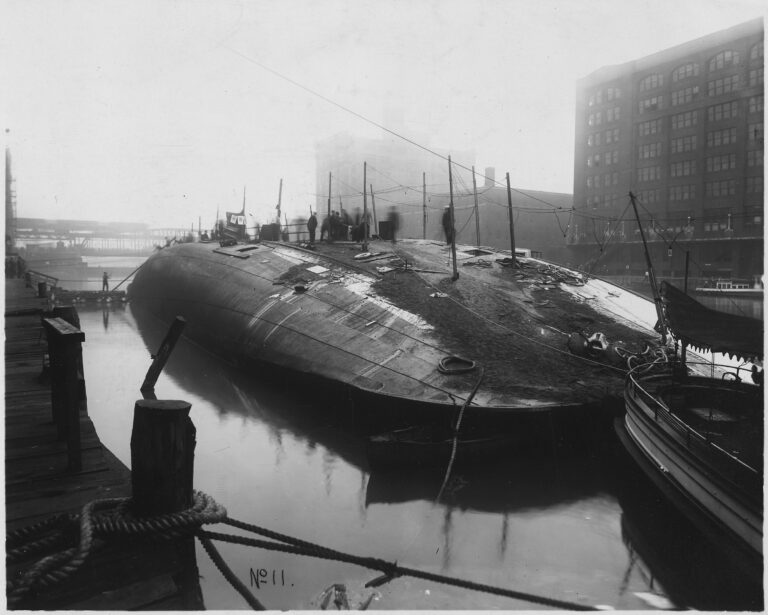
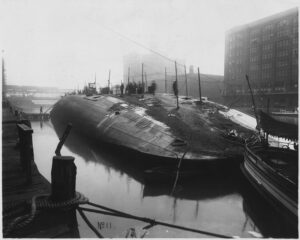
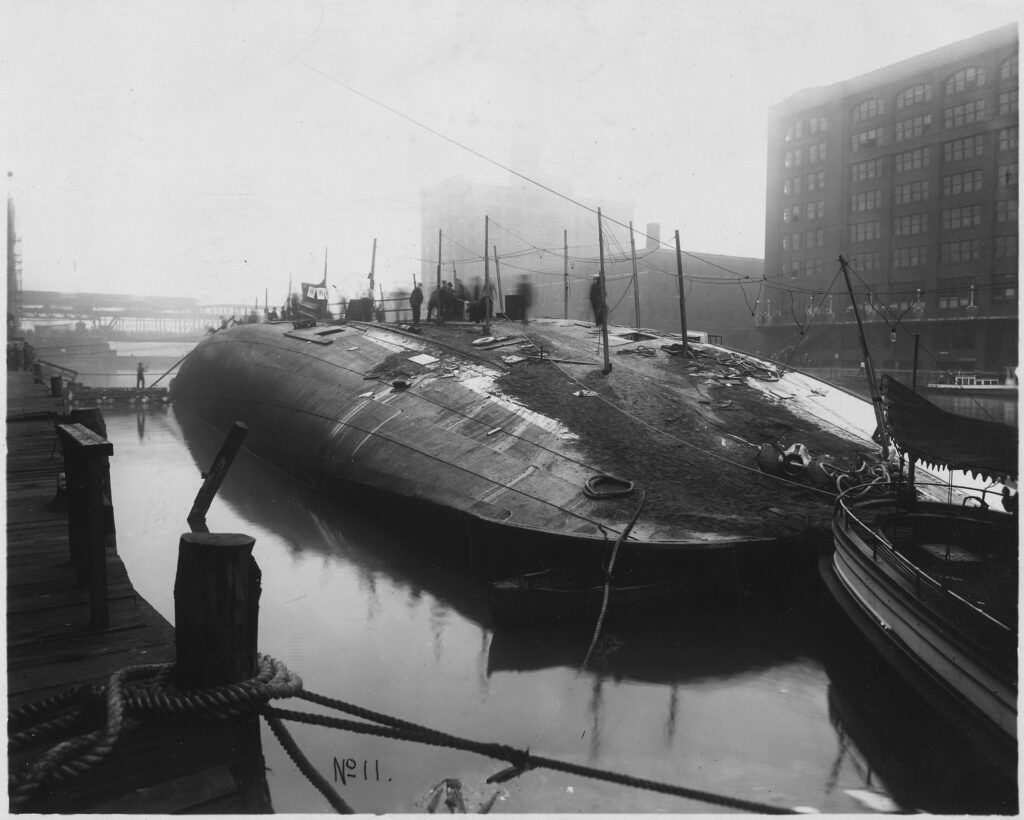
On July 24, 1915, the steamship Eastland sank in the Chicago River between the Clark and LaSalle Street bridges, and 844 people died. Szabelski says people looking down from the Clark Street Bridge still report faces in the water and hands reaching up. A marker at the Eastland Disaster Memorial stands on the Riverwalk.

Place: Eastland Disaster Memorial

The Graves Under Lincoln Park

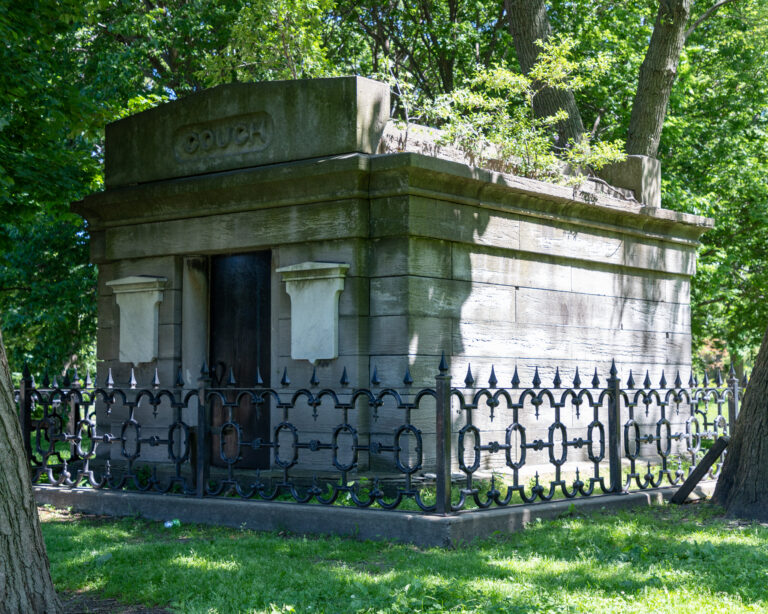
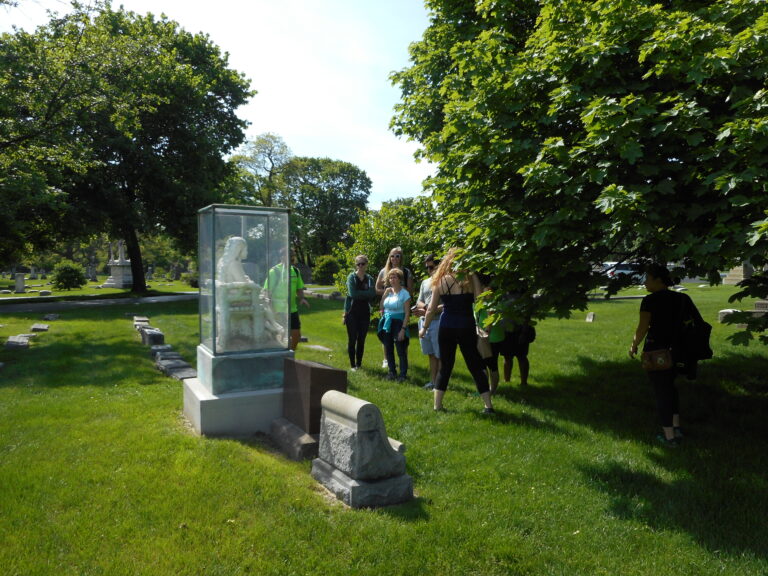
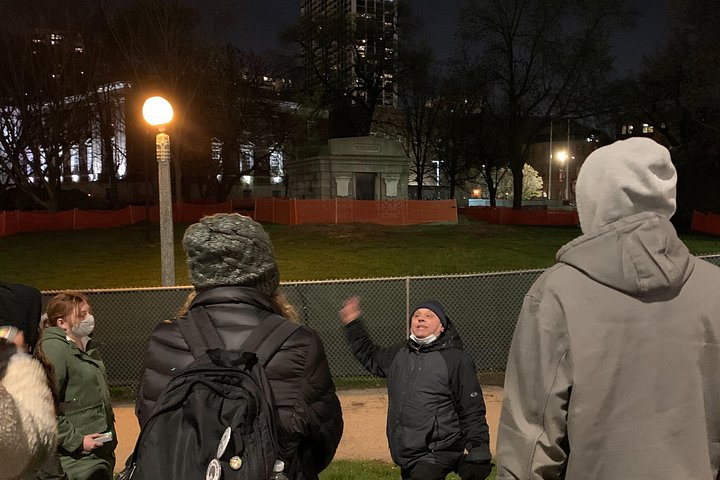
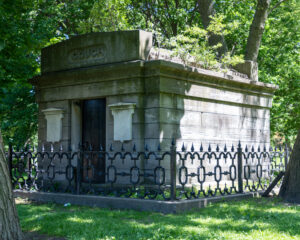
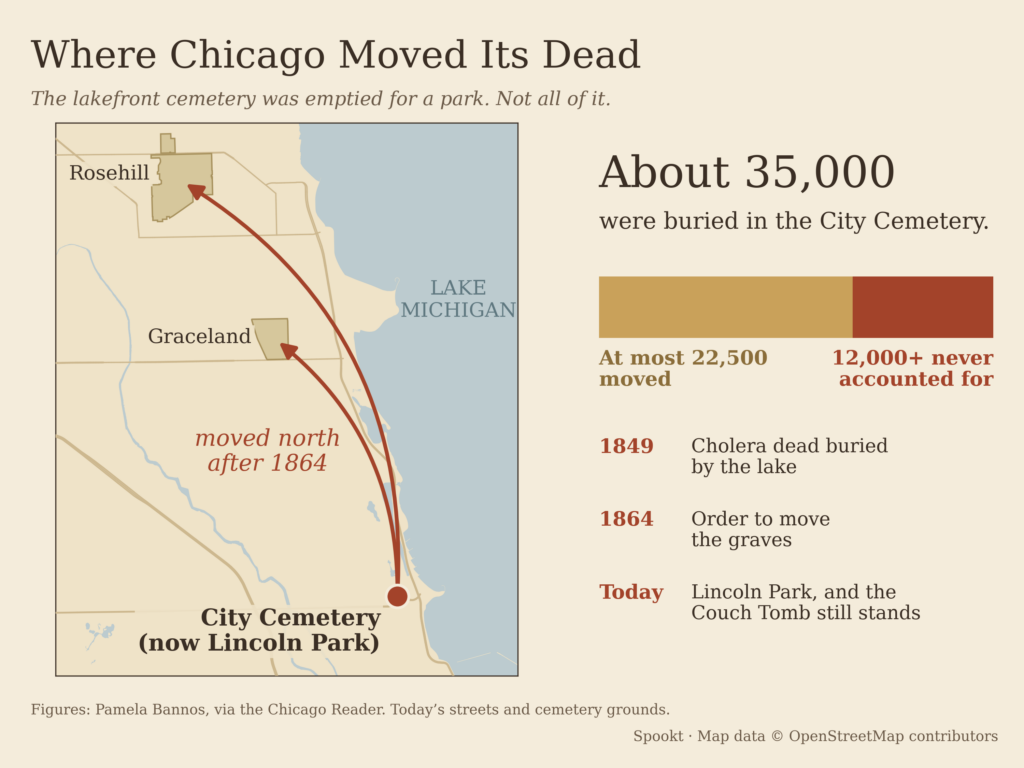
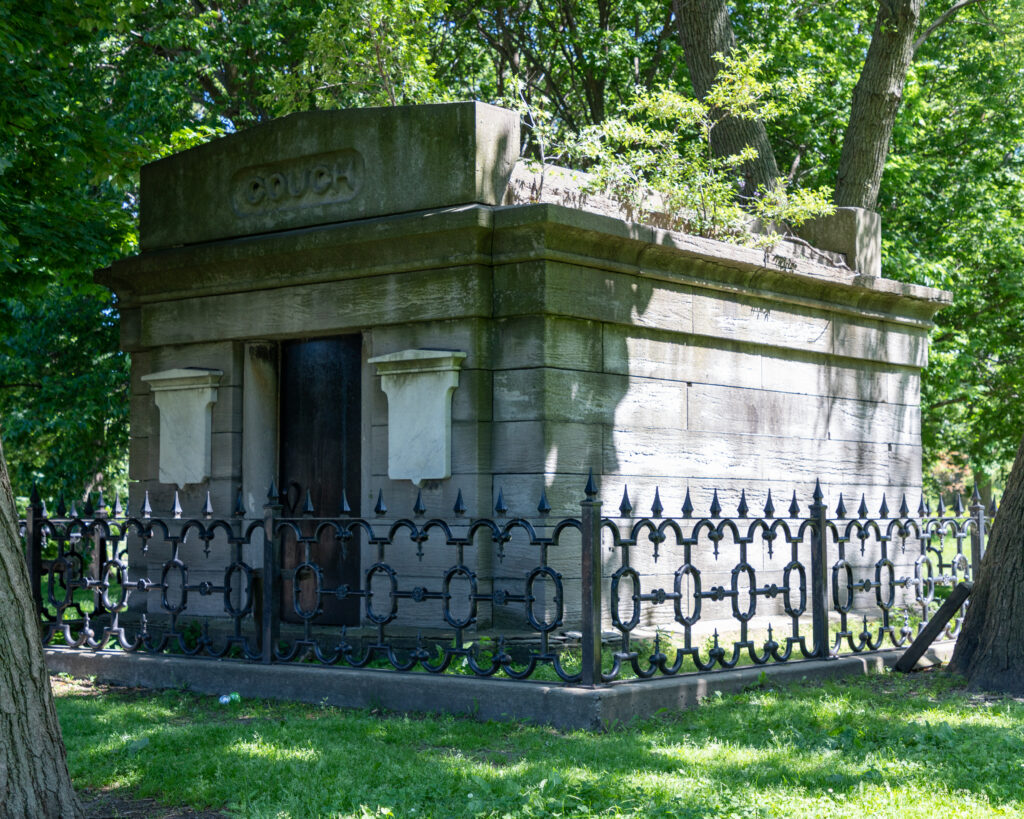
The city ordered the City Cemetery’s dead moved in 1864, but WTTW says as many as 12,000 may still lie under Lincoln Park. The Couch Tomb is the last piece of the cemetery still above ground. By the 1880s, Chicago Hauntings says, newspapers were reporting a neighborhood legend about a white ghost behind its doors.

Place: Couch Tomb

Room 441

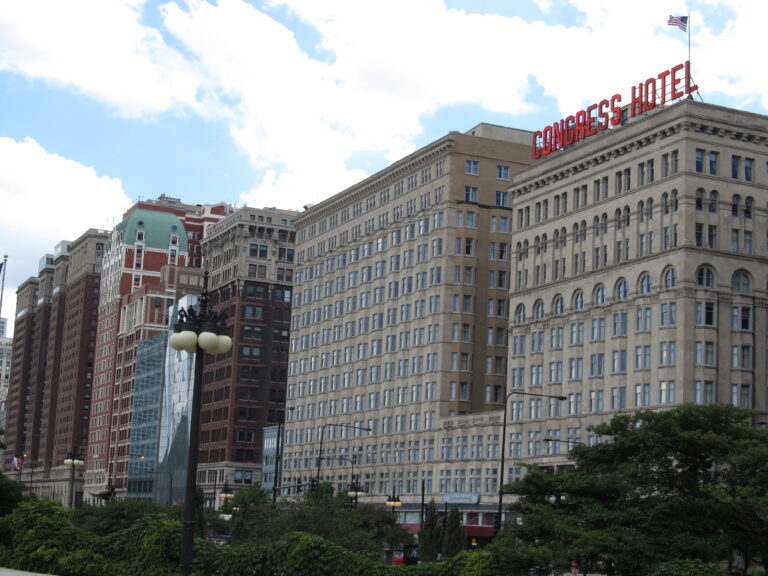
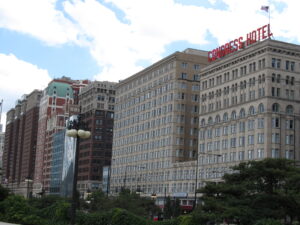
The Congress Plaza Hotel opened in 1893 as the Auditorium Annex. Szabelski calls it the most haunted hotel in Chicago. He and Windy City Ghosts both single out Room 441, on the fourth floor of the South Tower, where people report a woman standing or hovering over the bed.

Place: Congress Plaza Hotel

History

Chicago grew faster than it could bury, house, or protect its people. It had 109,000 residents in 1860 and more than a million by 1890.

Wild Onions

The name is older than the city. Several Native languages named the marshy river mouth for the wild onions and leeks that grew there. Jean Baptiste Point Du Sable was the first permanent non-Native settler. In 1812, the Army ordered Fort Dearborn evacuated, and the battle that followed left more than 50 soldiers and settlers dead, women and children among them.

Cholera and the Lakefront Graves

Cholera came with the crowds. It killed 678 people in 1849, about one Chicagoan in 35, and more than 1,400 in 1854. The dead went to the City Cemetery on the lakefront until doctors worried about graves so close to the lake, and in 1864, the council ordered the bodies moved to cemeteries like Graceland and Rosehill. The ground became Lincoln Park.
Fire and the Fair

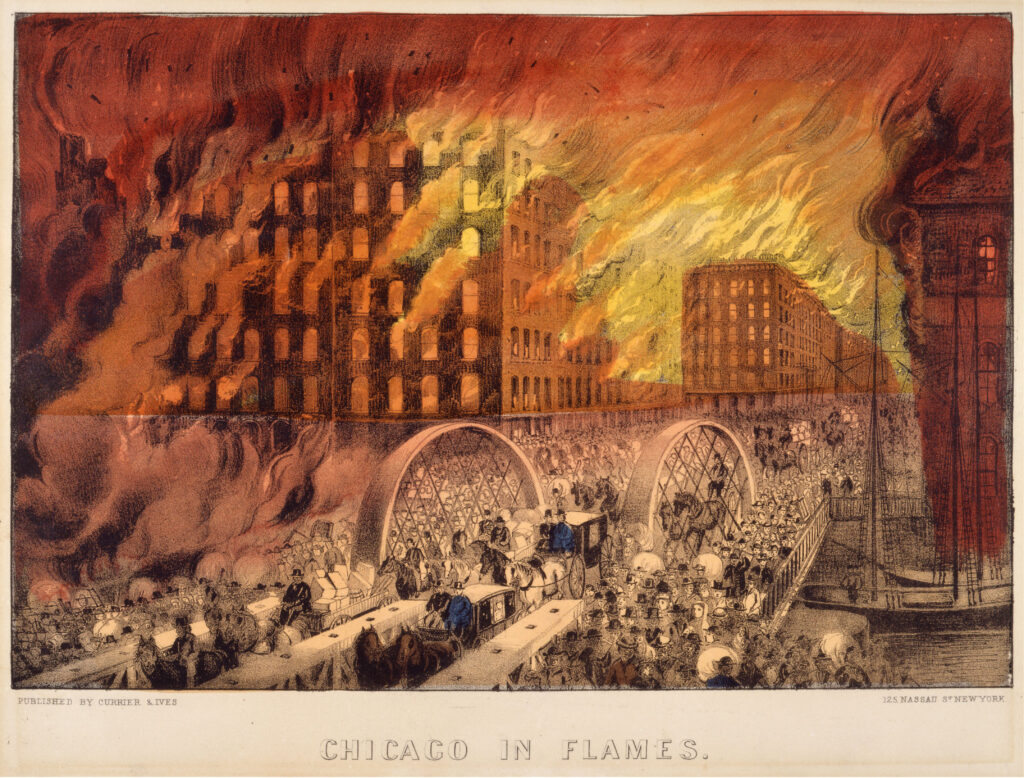
Then the city burned. The fire of October 1871 killed an estimated 300 people and left 100,000 homeless.
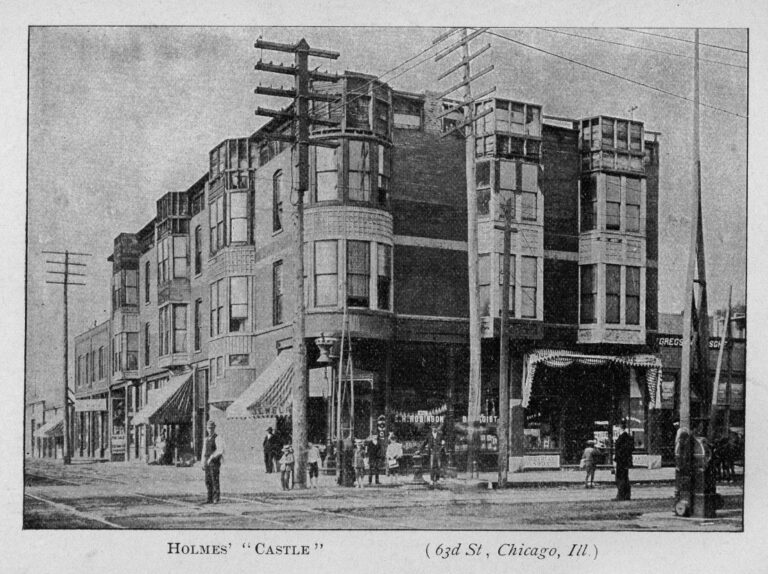
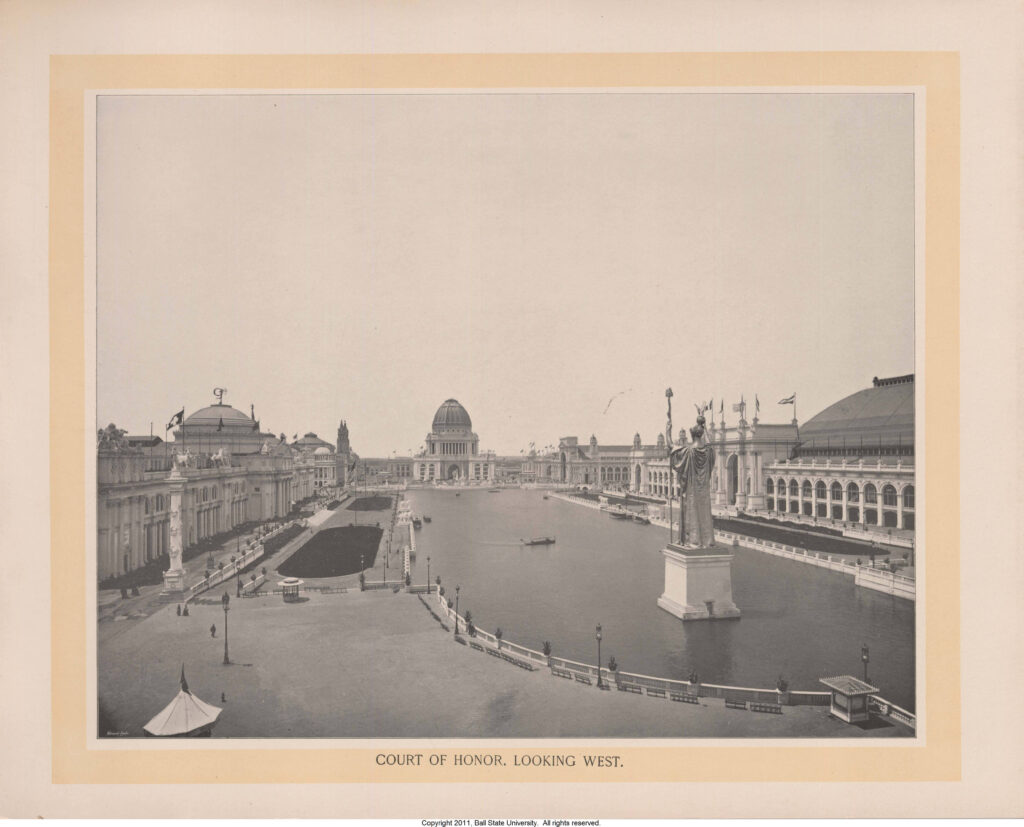
Chicago rebuilt in time to host the 1893 World’s Columbian Exposition, which drew more than 150,000 people a day. Its dark twin was H. H. Holmes, whom WTTW calls Chicago’s first documented serial killer and Erik Larson set beside the fair in The Devil in the White City.
Disasters and Gangsters

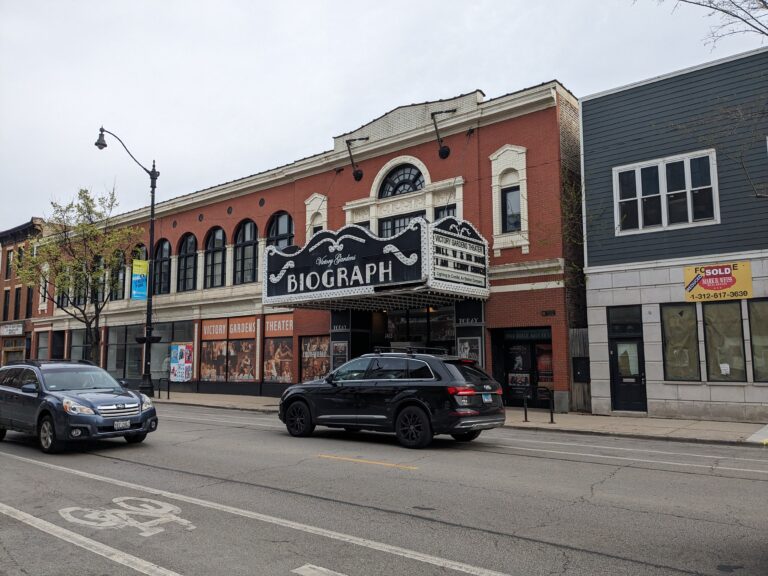
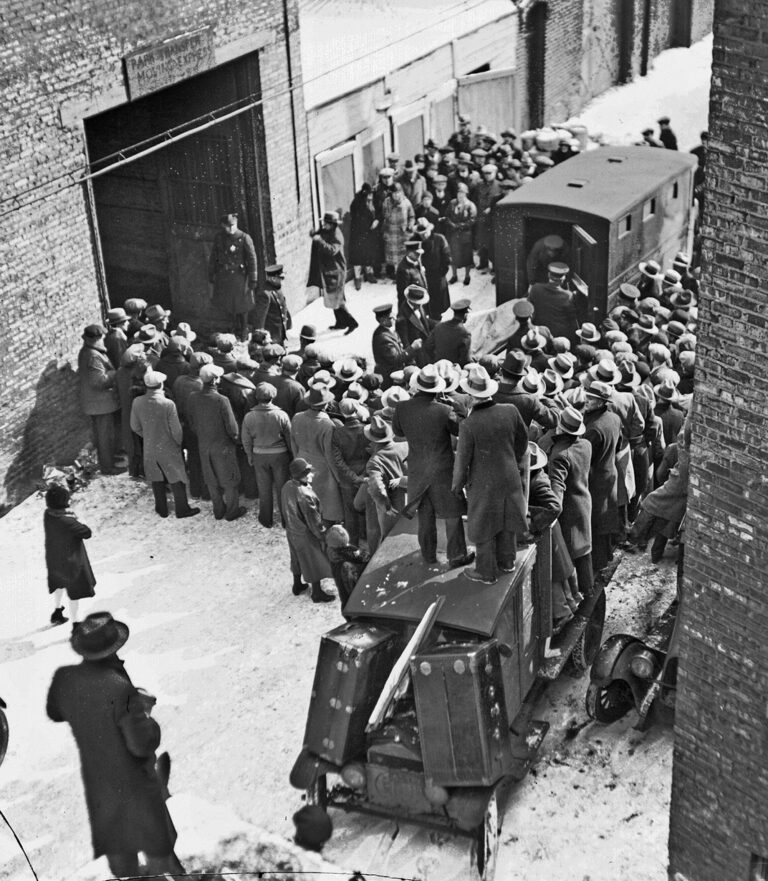
The new city kept losing people by the hundred: 602 at the Iroquois Theatre in 1903, 844 when the Eastland sank in the river in 1915. Prohibition handed the streets to Al Capone and his rivals. Seven men from Bugs Moran’s gang were machine-gunned against a garage wall on Clark Street on February 14, 1929, and FBI agents killed John Dillinger outside the Biograph in 1934.
Why Is Chicago Haunted?

Where the Dead Came in Crowds

Chicago’s ghosts gather where its dead came in crowds. The Iroquois fire killed 602 people inside one theater on Randolph Street, the deadliest single-building fire in US history, as WTTW puts it. The Eastland killed 844 in the river between the Clark and LaSalle Street bridges. The stories stayed with the places. Windy City Ghosts says locals still call the alley behind the theater Death Alley. Tony Szabelski of Chicago Hauntings told CBS that people on the Clark Street Bridge still report faces in the water.
The Ground Under Lincoln Park

Then there’s the ground. The cholera years filled the City Cemetery, the city ordered it emptied in 1864, and the land became Lincoln Park. WTTW says as many as 12,000 of the dead may still be under the park. One family tomb was never moved at all.
Crimes With Street Addresses

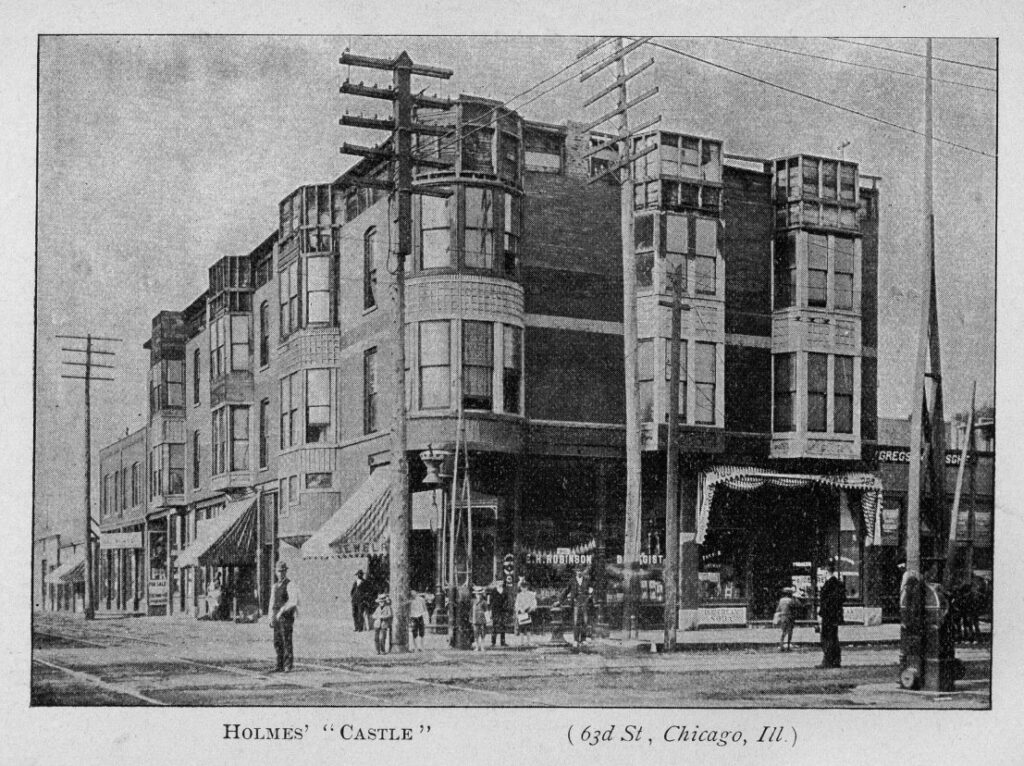
Chicago’s crimes also came with street addresses. Holmes’ so-called murder castle stood at 63rd and Wallace. The St. Valentine’s Day Massacre happened in a garage at 2122 N. Clark. Dillinger was shot beside the Biograph. Each spot has its ghost story now, and many of the city’s ghost tours double as gangster tours.
Past the City Limits

The stories don’t stop at the city limits. The ghost a Chicago Public Library librarian called the city’s most famous, Resurrection Mary, hitches her rides out on Archer Avenue in suburban Justice.
Another Reading

Chicago magazine wrote in 2017 that the city “often ranks among the most haunted cities in the United States.” Northwestern’s Bill Savage, quoted in the same piece, offered the other reading: “Chicago is haunted not by ghosts, but by the city’s neglect of the working class.”
Places

Haunted Places in Chicago

16 places, including 2 you can stay in

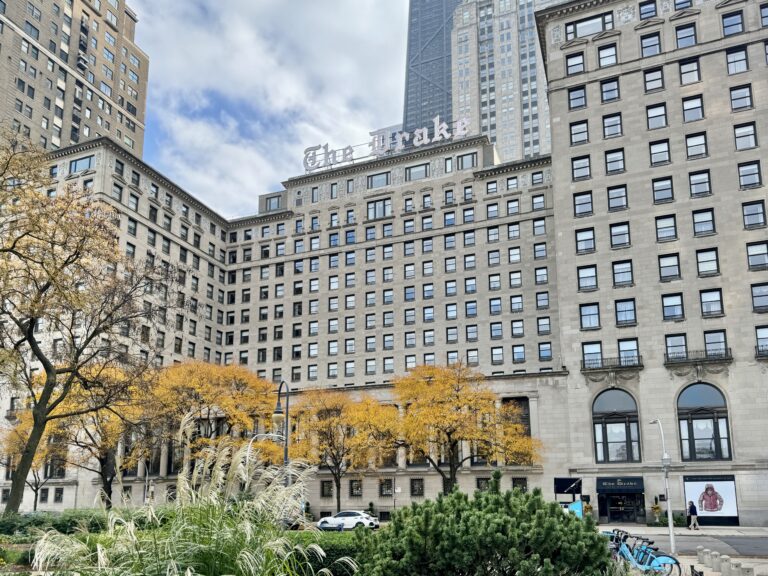
Chicago’s two haunted stays are grand old hotels, the Congress on Michigan Avenue (1893) and the Drake (1920), and in both the stories attach to specific rooms and floors.

Hotel

The Drake Hotel

The Drake opened on New Year's Eve 1920, and Chicago's ghost guides place two women in it: the Lady in Red on the 10th floor, and on the eighth, the Lady in Black, said to be the never-identified killer in a 1944 murder.

Dig deeper

Ghost Tours in Chicago

12 tours

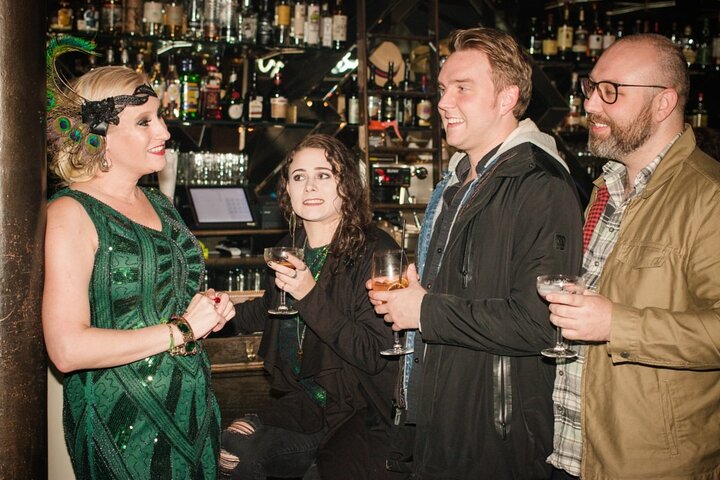
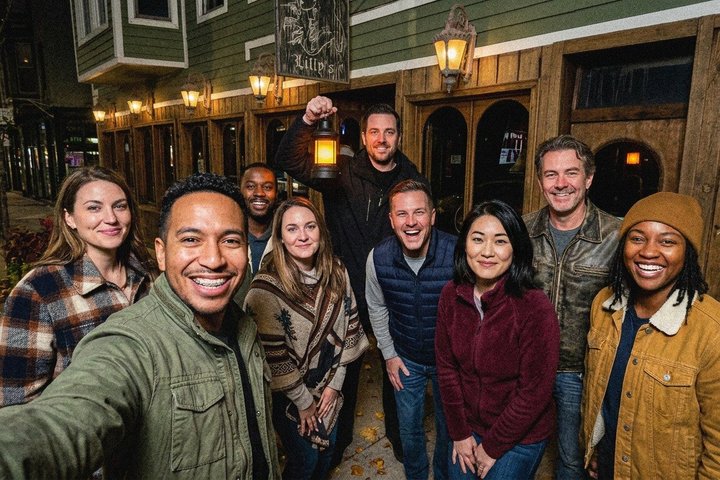
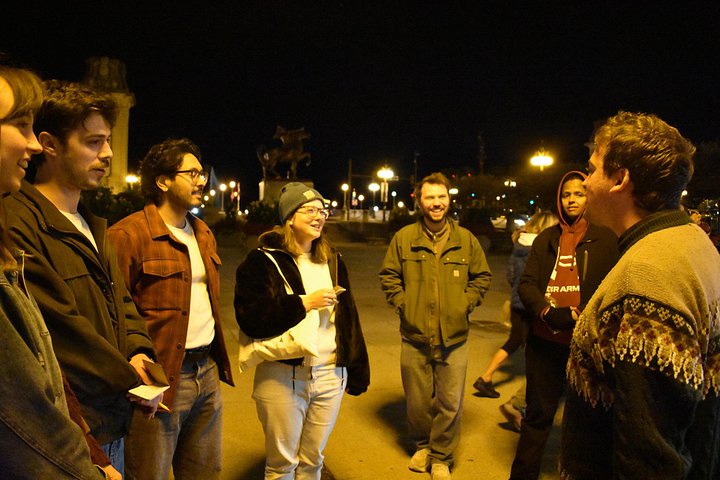
Most Chicago ghost tours are part gangster tour. Pick a Loop walk for Death Alley and the Congress, or a Lincoln Park walk or pub crawl for Dillinger’s alley and the old cemetery. Chicago Hauntings’ ghost bus reaches the far-flung stories without walking, and the river cruise shows the city from the water after dark. Ratings combine Viator and Tripadvisor reviews.

See all 12 ghost tours in Chicago

Quick Answers

6 questions
What is Death Alley in Chicago?

Death Alley is Couch Place, the loading alley behind the Nederlander Theatre on Randolph Street, on the site of the 1903 Iroquois Theatre fire that killed 602 people.

Is there a haunted hotel in Chicago?

Two. The Congress Plaza Hotel, which Chicago Hauntings’ Tony Szabelski calls the city’s most haunted, centers its stories on Room 441, and the Drake’s Lady in Red is said to haunt its 10th floor.

Where was the St. Valentine's Day Massacre?

At 2122 N. Clark St. in Lincoln Park, where seven men were machine-gunned in a garage on February 14, 1929. The garage came down in 1967, and the site is a fenced lawn with no marker.

Where was H. H. Holmes' murder castle?

At 63rd and Wallace streets in Englewood. The building was torn down in the 1930s, and a U.S. Post Office stands on the site.

Which Chicago ghost tour should I take?

It depends on what you want to see. Windy City Ghosts, the US Ghost Adventures brand, walks Lincoln Park’s ghost stories. Chicago Hauntings’ ghost bus covers the whole city without the walking. Most Loop tours, like Empire Tours’ and Magnifico Tours’, mix ghosts with gangster history.

Who is Resurrection Mary?

Resurrection Mary is the ghost of a young woman said to ask for a ride home along Archer Avenue and vanish at the gates of Resurrection Cemetery in Justice, a story told since 1936.

Visit

Visiting Chicago

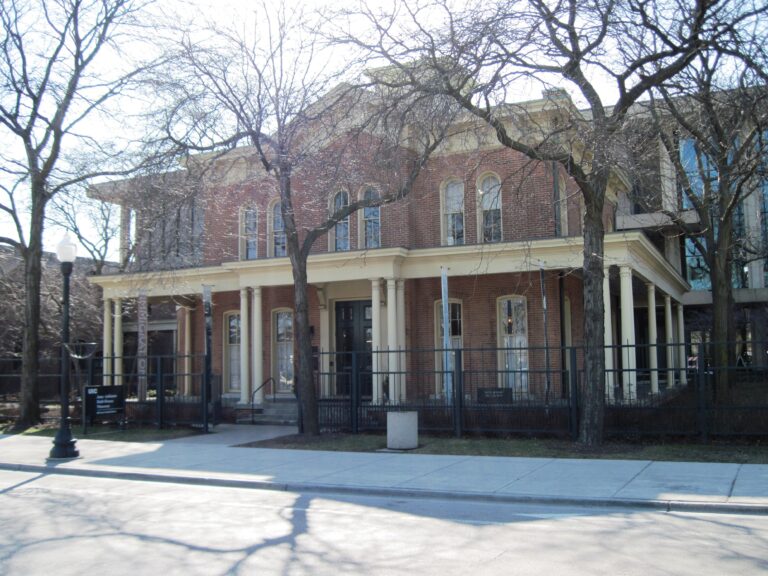
  • Worth knowing: Every October, the Jane Addams Hull-House Museum runs its own ticketed Halloween folklore tours of the house (in 2026, October 8–23), separate from the ghost tours on this page (Hull-House Museum).
  • Worth knowing: The St. Valentine’s Day Massacre site has nothing to see: a fenced lawn beside a senior apartment building at 2122 N. Clark, with no marker (WBEZ, 2018).

Contributors

Spookt Logo
Sources (10)

WTTW

the Iroquois fire and the Eastland (Chicago Stories, On This Day), Chicago's name and Lincoln Park's graves (Chicago Mysteries), Fort Dearborn, cholera and population figures

Chicago Public Library

the City Cemetery and its removal, the 1849 cholera toll, incorporation

Chicago Architecture Center

architecture.org

the 1871 fire and the 1893 World's Columbian Exposition

FBI History

fbi.gov

Al Capone and the St. Valentine's Day Massacre; John Dillinger

A guide to Chicago's most haunted places

Chicago magazine, October 2017

Chicago Hauntings series

CBS Chicago

Tony Szabelski of Chicago Hauntings Ghost Tours on the Iroquois balcony, the Eastland, the Couch Tomb legend and the Congress Plaza Hotel

Windy City Ghosts

Death Alley and Room 441, as US Ghost Adventures' Chicago brand tells them

Resurrection Mary

Gapers Block · Ask the Librarian, 2003