


Spookt’s Guide to

Haunted Austin, Texas

In Austin, the ghosts hold office. A state comptroller shot at his desk in 1903 is said to walk up to the Capitol, and Sam Houston is said to pace the Governor’s Mansion.

Austin “just might be the spookiest place in Texas,” public radio station KUT said in 2021, when six Austin spots, led by the Driskill hotel, made Yelp’s list of the state’s 20 most haunted.

All 10 ghost tours in Austin

Book through our links and Spookt gets a small cut, at no extra cost to you. It keeps the research going. How that works

Famous Hauntings

The Girl on the Grand Staircase

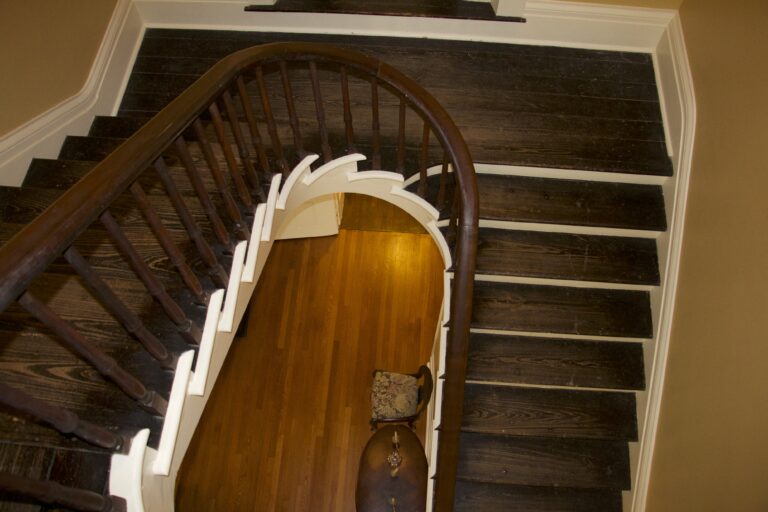
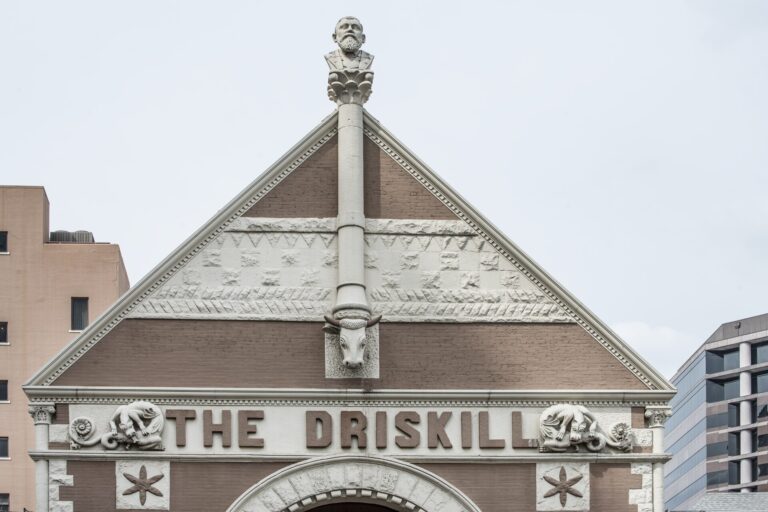
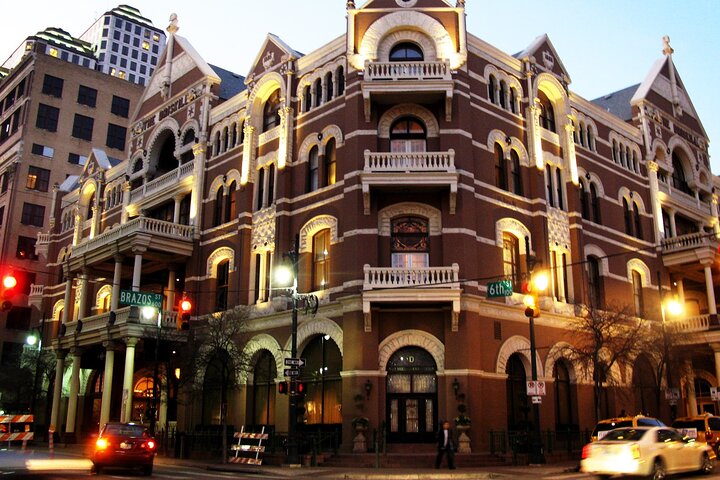
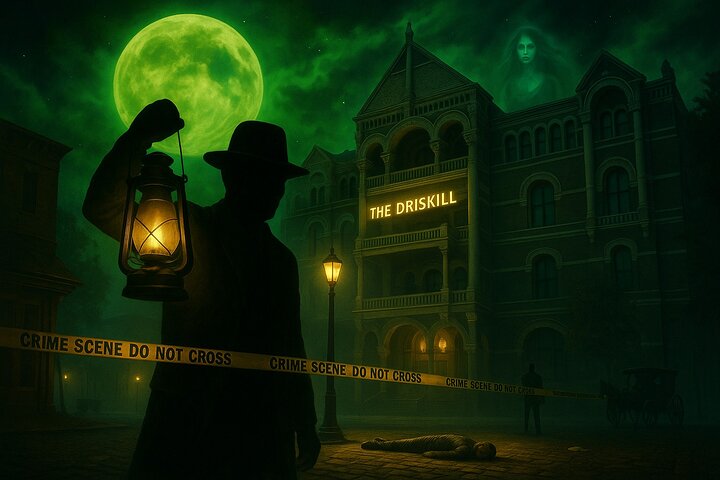
The Driskill opened on December 20, 1886. Legend says that a little girl named Samantha Houston fell to her death on its grand staircase the next year, and that she can still be heard bouncing a ball down the steps. Austin Monthly, a city magazine, reported in 2021 that historians “have long searched for any evidence to verify the tale, all to no avail.” In 1992, the hotel’s sales director told the Austin American-Statesman, the city’s daily paper, a different legend. It had two women who killed themselves in the same room, 30 years apart, and no little girl. By 2007, the hotel’s marketing director was telling the paper about a senator’s daughter who fell to her death on the marble steps in 1887.

Place: The Driskill

The Comptroller in the Top Hat

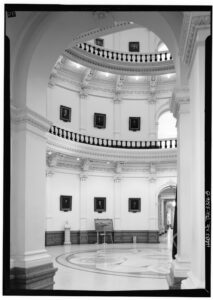
Robert Love, the state comptroller, was shot at his desk in the Capitol by a former employee and died on June 30, 1903. The San Antonio Daily Light printed his last words that same day: “I have no idea why he shot me. May the Lord bless him and forgive him. I cannot say more.” In 2008, ghost hunter Fiona Broome said she had seen a figure in a top hat walking up to the Capitol and thought it might be Love.

Place: Texas State Capitol

The Governor's Nephew

Governors have lived in the mansion since 1856. During the Civil War, as the Texas Tribune tells it, Governor Pendleton Murrah’s nephew asked a young woman staying at the house to marry him. She turned him down, and he shot himself in an upstairs room. Texas Monthly adds that he was 19, that it happened in 1864, and that his is said to be the mansion’s “moaning ghost.”

Place: Texas Governor’s Mansion

The Man in the Opera Box

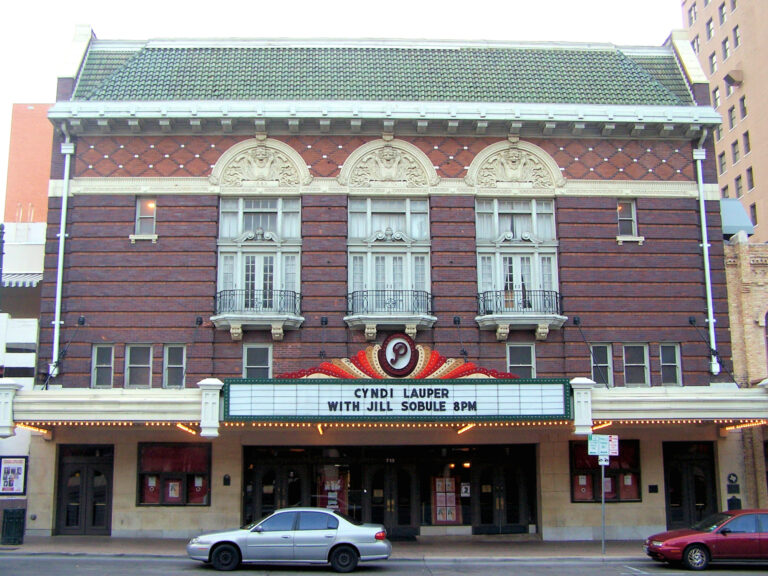
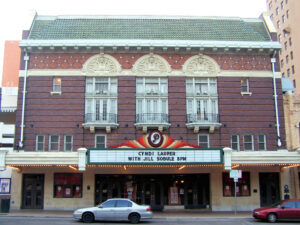
The Paramount opened as the Majestic, a vaudeville house, on October 11, 1915. Cheryl Wood, its lead house manager, had been told about a ghost who “loves to sit in the opera box left, and he wears a top hat and tails, and he smokes a cigar.” Early in her time there, she smelled cigar smoke in the empty theater with all the lights out. “I literally could not bring myself to look in the opera box,” she told Reporting Texas, a University of Texas student news site, in 2025.

Place: Paramount Theatre

Alice in the Attic

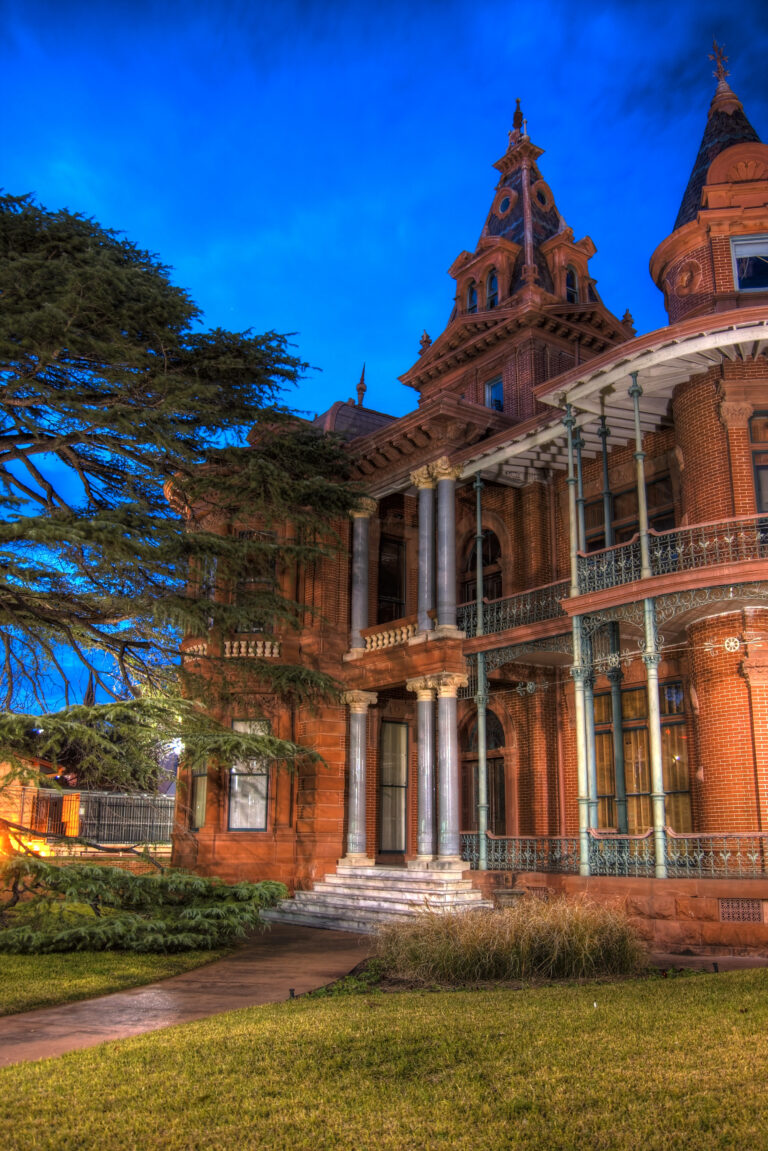
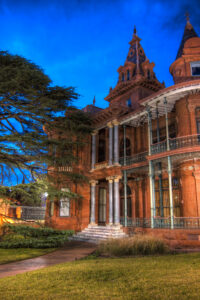
George Littlefield, a cattleman and banker, built his mansion beside the University of Texas in 1893 and died there in 1920. His wife, Alice, outlived him by 15 years. Campus legend says he used to lock her in the attic to protect her from the Yankees. “There is no basis for that and it trashes the character of those people,” the family’s historian, David Gracy, told the student paper, The Daily Texan, in 2016.

Place: Littlefield House

History

Austin was a capital before it was much of a town, and within three years, it nearly stopped being one.

A Capital on the Frontier

In 1839, Texas was its own country, the three-year-old Republic of Texas, and it wanted a permanent capital. A commission was appointed to choose the site, and the Republic’s president, Mirabeau Lamar, sent it to look at a hamlet on the Colorado River called Waterloo, where four families lived near a log stockade. The commission chose it, and the city laid out there was named Austin, after Stephen F. Austin, the founder of Anglo-American Texas. The site was on the western frontier, far from other towns and open to attack, and plenty of Texans hated it. Sam Houston, who was president before and after Lamar, called it “the most unfortunate site on earth for a seat of government.”

Houston became president again in 1841. He refused to live in the president’s house in Austin and took a room at Angelina Eberly’s boarding house instead. In March 1842, Mexican troops captured San Antonio, and Houston ordered the Republic’s archives moved to the city of Houston for safekeeping. Austinites saw that as choosing a new capital and refused to let the records go. So Houston moved the government without them, first to the city of Houston and then to Washington-on-the-Brazos.

In December 1842, Houston sent a company of rangers to take the archives. They had three wagons loaded when Eberly spotted them and fired a cannon to raise the town. Vigilantes caught the wagons at Brushy Creek, just north of Austin, and brought the papers back. Texans call it the Archives War.

Austin had kept the archives but lost the government, and between 1842 and 1845, its population fell below 200. The government returned in 1845. That summer, a convention meeting in Austin voted for Texas to join the United States, and in February 1846, Austin became the capital of the new state.
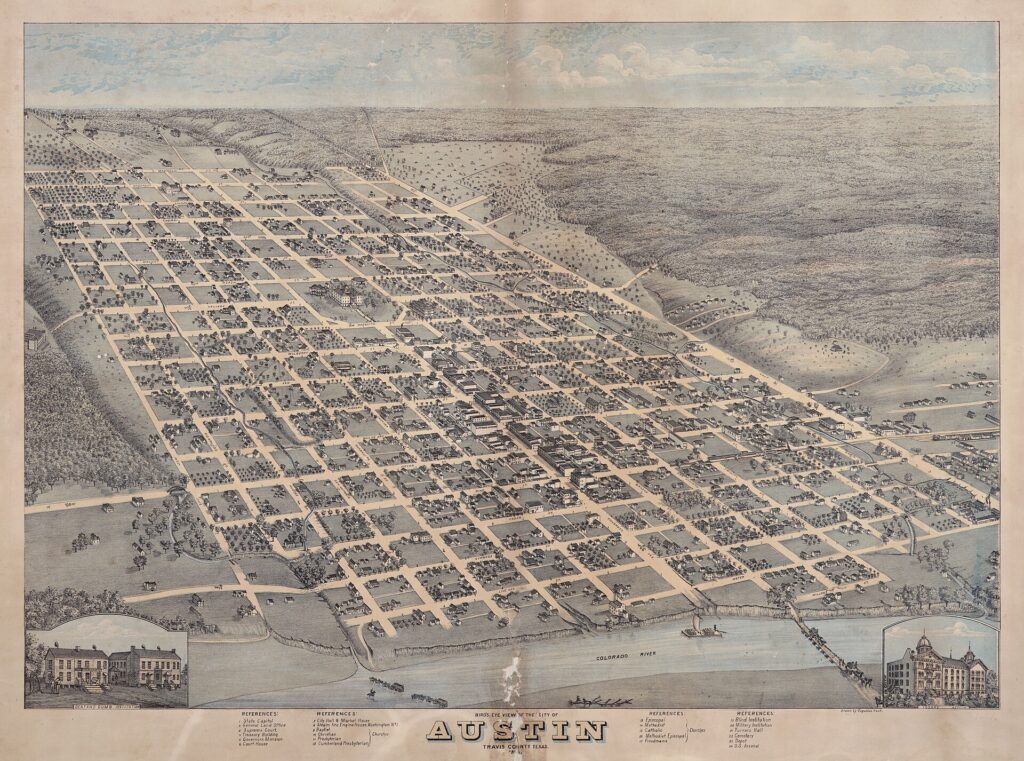
Guy Town and the Servant Girl Murders

The railroad reached Austin on Christmas Day 1871, and the population more than doubled in five years. A red-light district grew with it. Guy Town filled eight square blocks with saloons, gambling houses, dance halls, and brothels from about 1870 until the city shut it down in 1913, according to the Travis County Archives.

Then came the murders. Between the last days of 1884 and Christmas Eve 1885, eight people were killed in Austin: Mollie Smith, Eliza Shelley, Irene Cross, Mary Ramey, Orange Washington, Gracie Vance, Susan Hancock, and Eula Phillips. Mary Ramey was 11. Most of the victims were young Black women who worked as servants, and Austin called the unknown killer the Servant Girl Annihilator. The case was never solved.

A legend grew out of the case: that the killer sailed for London and became Jack the Ripper. Historian Lauren Henley told the University of Texas podcast 15 Minute History that it’s “a nice story, but does not seem to fit the crimes.”

Moonlight and High Water

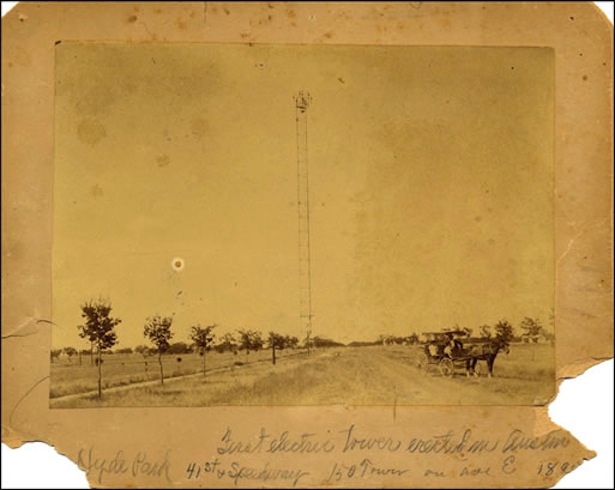
In 1893, Austin finished a 60-foot dam across the Colorado River to power factories that never came. The dam’s generators did light the city. In 1894 and 1895, Austin raised 31 “moonlight towers,” tall lattice towers topped with arc lamps, each lighting a circle 3,000 feet across. Another legend says the towers went up to stop the Servant Girl Annihilator. The podcast 99% Invisible took the question to University of Texas professor Bruce Hunt and reported that the murders “were all over with years before talk of the moonlight towers ever came up.” A city marker counted 17 towers still standing in 1993.
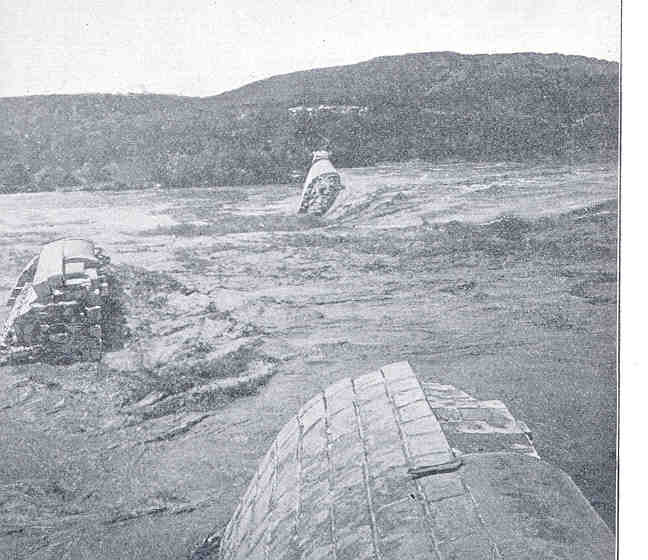
The dam lasted seven years. It collapsed on April 7, 1900, and the flood that followed killed dozens of people. A man quoted in the newspaper at the time blamed Austin’s “reign of wickedness.” The floods kept coming. In April 1915, a flash flood on Shoal and Waller creeks, which run through downtown, killed about 35 people. Floods killed 13 more in 1935 and another 13 in 1981.
Why Is Austin Haunted?

Because It’s the Capital

Ghost hunter Fiona Broome, who wrote The Ghosts of Austin, Texas, told CBS News in 2008, “That is one haunted city.” She had a reason ready: “If Austin had not been the capital city, I’m not sure it would have been as haunted as it is.”

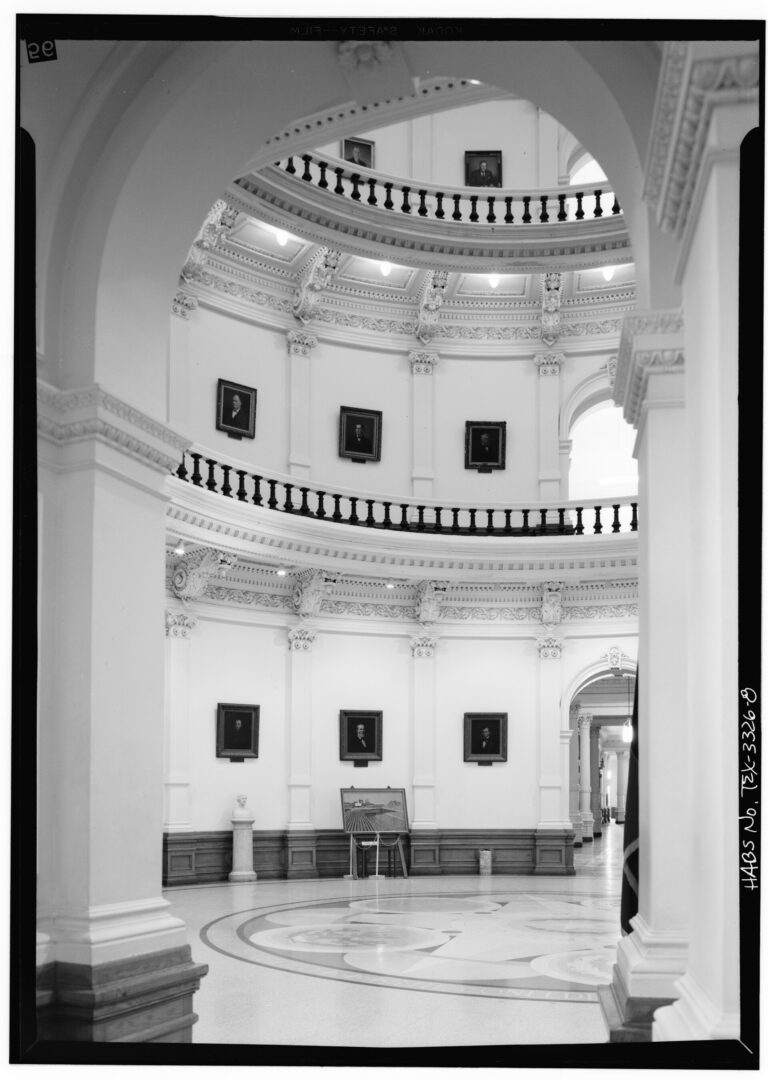
The government’s own buildings carry many of the stories. The old limestone Capitol burned on November 9, 1881, while the board planning its replacement was meeting inside. In the granite Capitol that followed, a painter named Ed Wheeler fell about 160 feet from the dome in 1922. The next morning’s Austin American reported that he crashed through the Rotunda’s glass floor to the basement and died at Seton Infirmary more than half an hour later. A popular legend says the crack in the Rotunda floor marks where he landed. The State Preservation Board, which runs the building, says today’s floor wasn’t laid until 1936 and the crack came from the building settling.
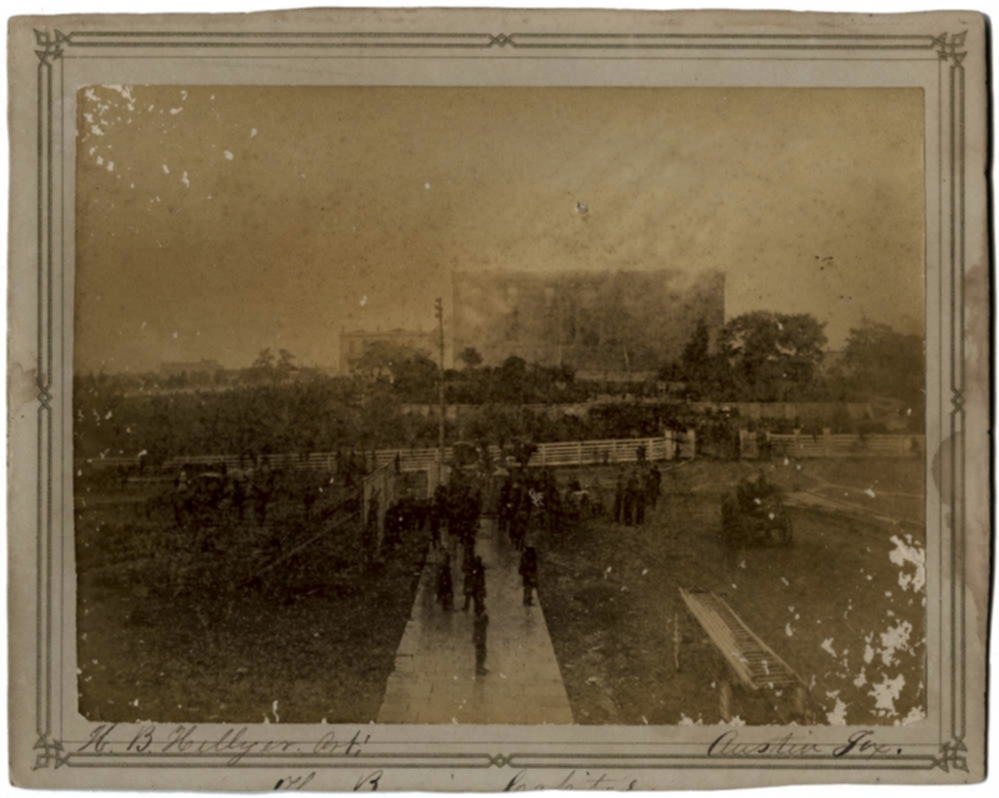
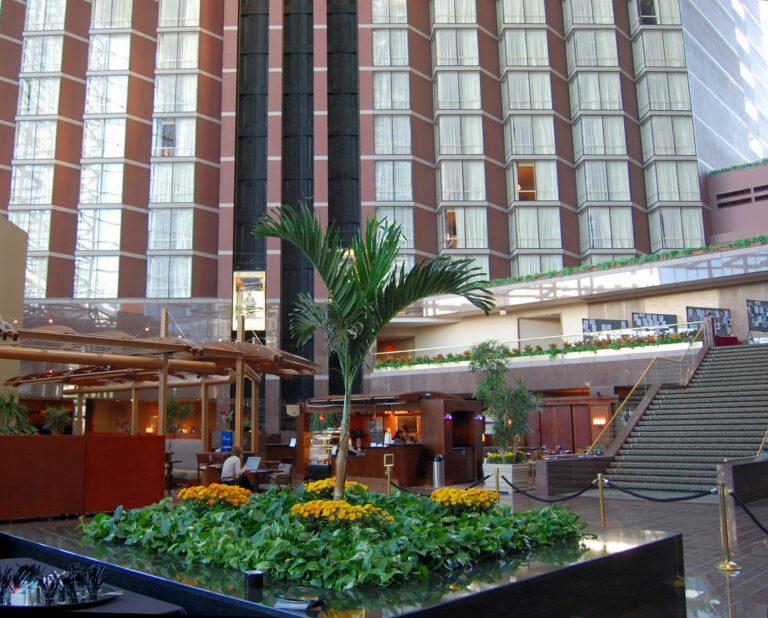
Other government houses burned too. The house the Republic of Texas built for its president burned in 1847, and the Omni hotel stands on its block now. Across the street from the Capitol, an arsonist set fire to the Governor’s Mansion in 2008.

Brothels, Real and Rumored

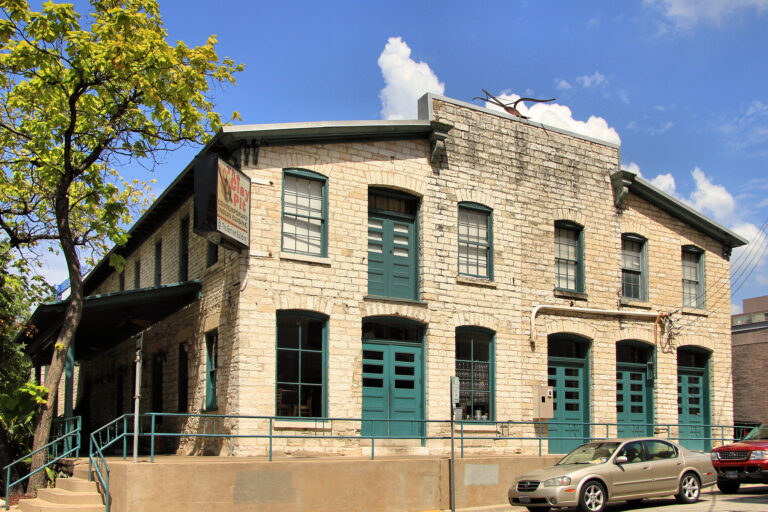
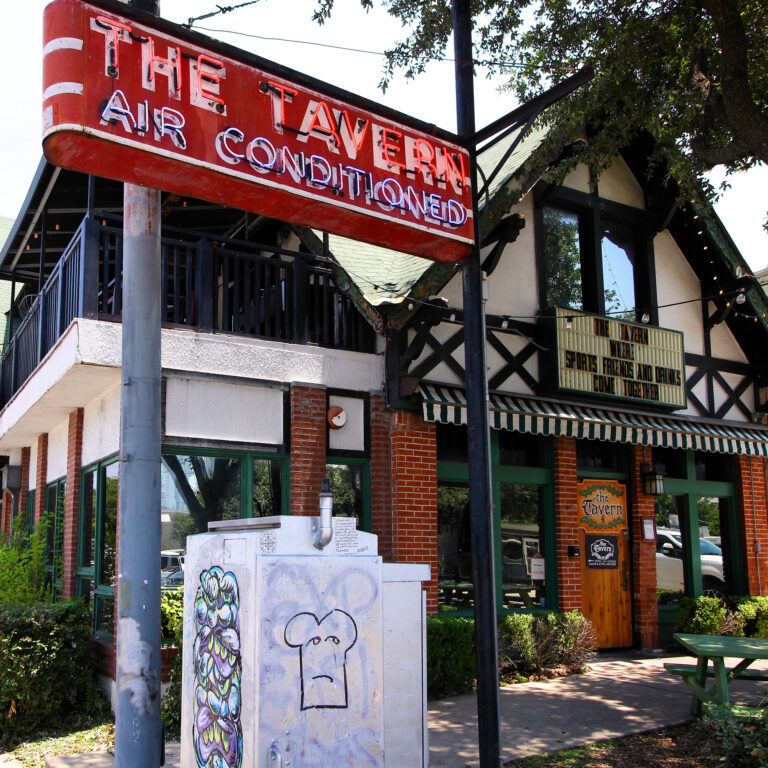
The Austin Chronicle, the city’s alternative weekly, counted about 100 prostitutes in Guy Town in 1880, one in 20 of the city’s women between 18 and 44. The district closed in 1913, but stories of brothels still cling to some of Austin’s oldest bars. The Tavern’s own history says it was rumored to hide a bar, a casino, and a brothel upstairs during Prohibition. The building that now holds the Clay Pit restaurant is said to have had tunnels leading to brothels, and one to the Capitol.

High Water

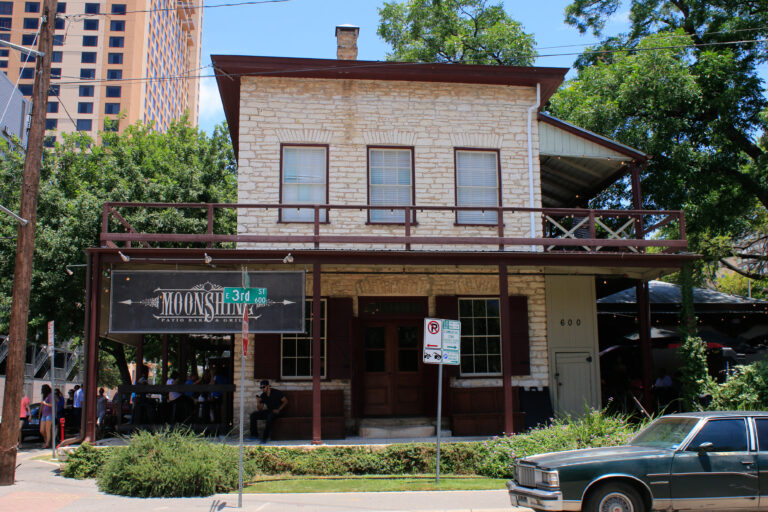
The floods left stories too. The Original Austin Ghost Tours, a local ghost tour company, tells of an air-conditioning repairman who fled Moonshine Grill in 2009 because glasses were “throwing themselves off the bar” at him. The company’s theory is that some of the restaurant’s ghosts are people who drowned when floodwater swept away the homes along Waller Creek, just east of the building. Soldiers under George Custer camped on Shoal Creek after the Civil War, and some died of cholera and were buried nearby. The Texas Legislature’s own research library tells that history and adds, “Perhaps their spirits still remain.”

The Graves That Moved

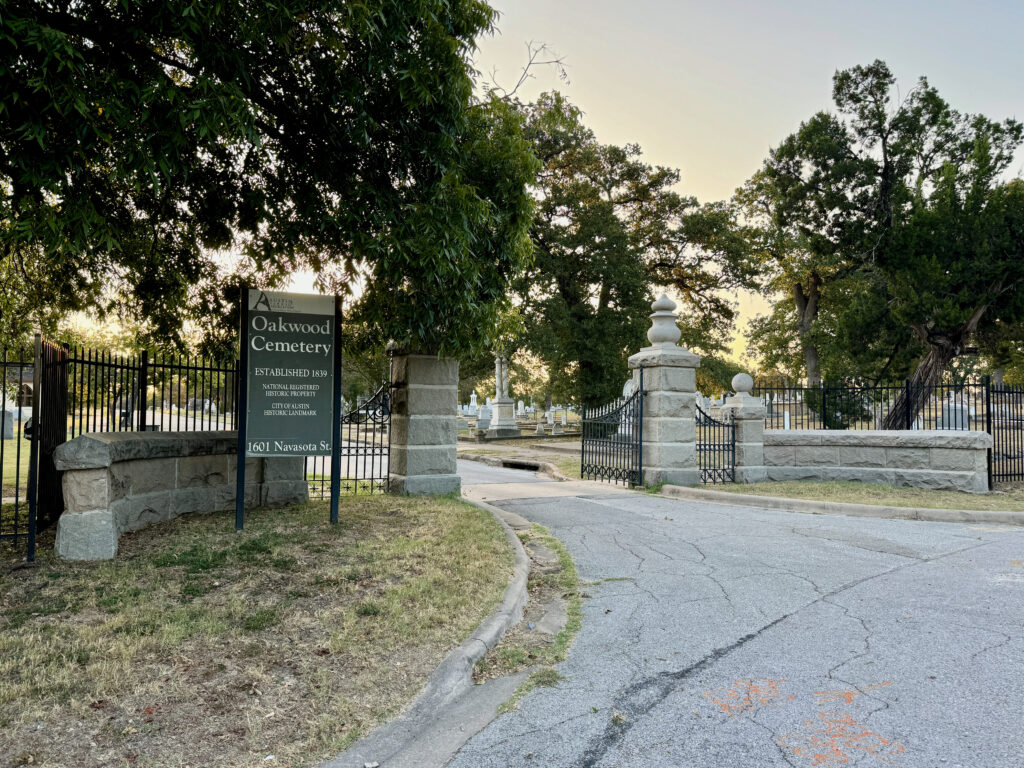
The State Lunatic Asylum, now Austin State Hospital, opened in 1861. It buried patients nobody claimed on its own grounds. In 1882, the burial ground was moved to a far corner of the property, where the other patients wouldn’t see it. By 2009, the plot list kept by the hospital’s maintenance director ran to 2,699 numbered graves. John Neely Bryan, the founder of Dallas, is buried there too, and nobody knows exactly where. Oakwood Cemetery, where Austin began burying its dead in 1839, is older still. Its first reported burial was of an enslaved person.
Or Maybe It’s the Parties

Monica Ballard, an Austin ghost tour guide, had a lighter theory when she spoke to the Texas Observer magazine in 2013: “Austin is so haunted because of its life, because of its party atmosphere.” Bill Green, the state’s historian from 1986 to 1989, told CBS News he never met a Capitol ghost on the job: “People tend to be skittish at night and their imagination probably works on them.” Then he added, “I’m not particularly one of them, although I do believe in ghosts. I live in a haunted house, but that’s another story.”
Places

Haunted Places in Austin

10 places, including 2 you can stay in

Other

Texas State Capitol

Every October, the state's own Rest in Peace tours of the Capitol tell of Comptroller Robert Love, shot at his desk in 1903, and of a woman who vanishes through a door that isn't there.

House

Texas Governor’s Mansion

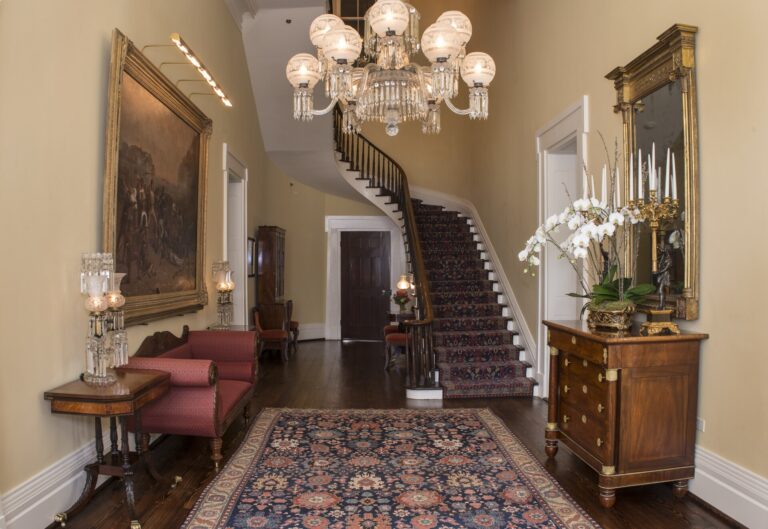
Sam Houston is said to have paced the floors of this 1856 mansion in 1861 while Texas debated leaving the Union, and the Texas Tribune reports that his ghost supposedly still does.

Theater

Paramount Theatre

The Paramount opened in 1915 as the Majestic. House manager Cheryl Wood says projectionists still leave a Snickers bar in the booth for Walter Norris, who died in 2000 while showing Casablanca.

House

Littlefield House

George Littlefield died in this campus mansion in 1920, and The Daily Texan, the University of Texas student paper, reports that people see a woman they take for his wife, Alice, at the upstairs windows.

Restaurant

Clay Pit

KUT public radio reports that Rudolph Bertram's young son is said to haunt his father's old store, and the store's National Register record says four of Bertram's eight children died of diphtheria in 1880.

Bar

The Tavern

The Tavern, a grocery in 1916 and a bar since 1933, calls itself Austin's most haunted bar on account of Emily, a 12-year-old said to have been murdered on the site during Prohibition. When the Austin American-Statesman wrote about her in 2002, Emily was the ghost of a prostitute.

Bar

Moonshine Grill

Moonshine Grill occupies a store built for German immigrant Henry Hofheintz between 1850 and 1875, and KUT public radio reports that the ghosts of flood victims are believed to tap diners on the shoulder.

House

Neill-Cochran House Museum

This 1850s house was a Civil War hospital in 1865, and in 2012, its director told the University of Texas student paper that Col. Andrew Neill's ghost is said to gallop around it on horseback.

Dig deeper

Ghost Tours in Austin

10 tours

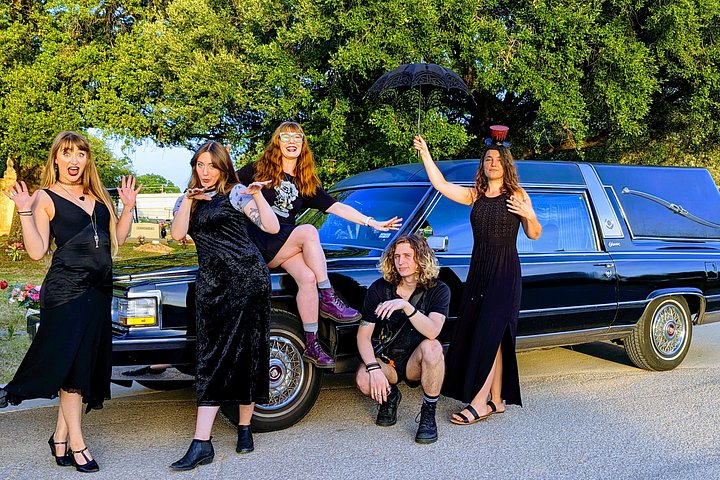
Austin’s ghost walks cover many of the same downtown blocks, so choose by the company you want. Three are pub crawls for ages 21 and up, three welcome families, and one keeps to murders and suicides for ages 16 and up. If you’d rather ride than walk, one goes by converted hearse. Ratings combine Viator and Tripadvisor reviews.

See all 10 ghost tours in Austin

Quick Answers

5 questions
What is the most haunted place in Austin?

The Driskill, according to Yelp. Its 2021 list of the 20 most haunted places in Texas, drawn from visitors’ reviews, put the hotel at No. 1 and its bar at No. 2.

Is there a haunted hotel in Austin?

Two. At the Driskill, opened in 1886, Austin Monthly magazine reports legends of two jilted brides in Room 525. The Omni Austin Hotel Downtown has an urban legend about a guest known only as Jack.

Is the Texas State Capitol haunted?

The state tells the stories itself. Every October, the State Preservation Board runs free Rest in Peace tours of the Capitol that cover the 1903 shooting of Comptroller Robert Love and painter Ed Wheeler’s fatal fall in 1922.

Who was the Servant Girl Annihilator?

It’s the name Austin gave the unknown killer of eight people between the last days of 1884 and Christmas Eve 1885, most of them young Black women who worked as servants. The case was never solved.

Were Austin's moonlight towers built because of a serial killer?

No. The towers went up in 1894 and 1895, and the podcast 99% Invisible reported that the murders “were all over with years before talk of the moonlight towers ever came up.”

Visit

Visiting Austin

  • Worth knowing: Every October, the State Preservation Board runs its own Rest in Peace tours of the Capitol, separate from the ghost tours on this page (State Preservation Board).
  • Worth knowing: The inside of the Governor’s Mansion can only be seen on the state’s guided tours, which have to be reserved at least a week ahead (Office of the Governor).

Contributors

Spookt Logo
Sources (30)

Handbook of Texas

tshaonline.org

Austin's founding and early years, the Archives War, the dam, the moonlight towers, and the State Lunatic Asylum, plus the entries for the Driskill Hotel, the Governor's Mansion, Robert M. Love, and George W. Littlefield

The Archives War

Texas State Library and Archives Commission

Travis County Archives

Guy Town, the victims of the 1884 to 1885 murders, and the 1935 flood

Episode 102: The "Servant Girl Annihilator"

15 Minute History · University of Texas at Austin, with Lauren Henley

KUT

Yelp's 2021 list of haunted places, the Clay Pit tunnels, the Jack the Ripper legend, the 1900 dam break, the floods of 1915 and 1981, and the asylum cemetery

Austin's Moonlight Towers Historical Marker

The Historical Marker Database

Texas State Preservation Board

the 1881 Capitol fire, Ed Wheeler and the Rotunda floor, and the Rest in Peace tours

Office of the Texas Governor

the 2008 fire at the Governor's Mansion and its public tours

Capitol Spirits

Legislative Reference Library of Texas, 2018

Lost in Austin: First Capitol, President's House, St. Mary's Academy

Austin American-Statesman · Michael Barnes, 2025

The Austin American, December 14, 1922, p. 1

The Portal to Texas History, University of North Texas

San Antonio Daily Light, June 30, 1903, p. 1

Chronicling America, Library of Congress

Ghost of a tale: Spirited rumors haunt Driskill

Austin American-Statesman · Joe O'Connell, 1992

Downtown haunts

Austin American-Statesman · Helen Anders, 2007

Driskill Hotel's Haunted History: Fact vs. Fiction

Austin Monthly · Tanya Estes, 2021

Direct Quote: Ghost Busker at the Driskill Hotel

Texas Observer · Jen Reel, 2013

Texas Myth #665

Texas Monthly

Governor's Mansion Rising From Ashes

The Texas Tribune · Jay Root, 2011

The Paramount Theatre: A Timeless Legacy and Its Friendly Ghosts

Reporting Texas · Angeliki Craddock, 2025

History

Paramount Theatre

Our Story

The Tavern

Ghosts at the Hofheintz-Reissig Building

The Original Austin Ghost Tours

Austin State Hospital Cemetery

Austin Genealogical Society

Oakwood Cemetery

The Cultural Landscape Foundation

Oakwood Cemetery

Texas Historical Commission