
Spookt’s Guide to

Haunted Chicago, Illinois

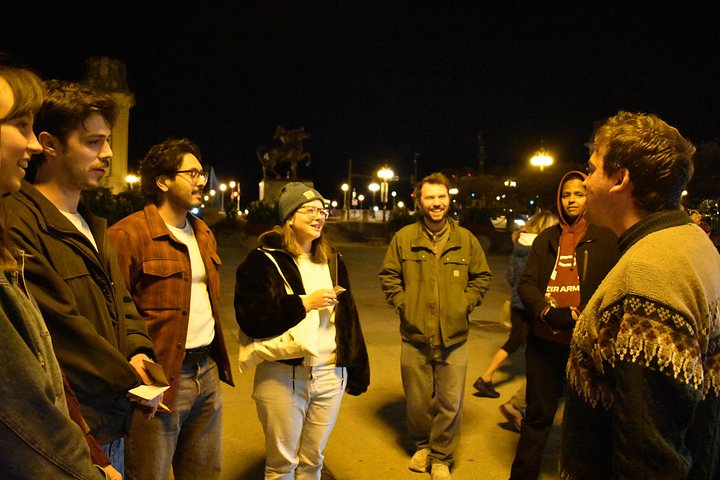
Chicago is the city where the ghost tour and the gangster tour are usually the same tour.

Chicago’s most famous ghost stories come with body counts: 602 in a theater fire, 844 in the river, and perhaps 12,000 left behind when the city moved its lakefront cemetery.

All 11 ghost tours in Chicago

Book through our links and Spookt gets a small cut, at no extra cost to you. It keeps the research going. How that works

Famous Hauntings

Resurrection Mary

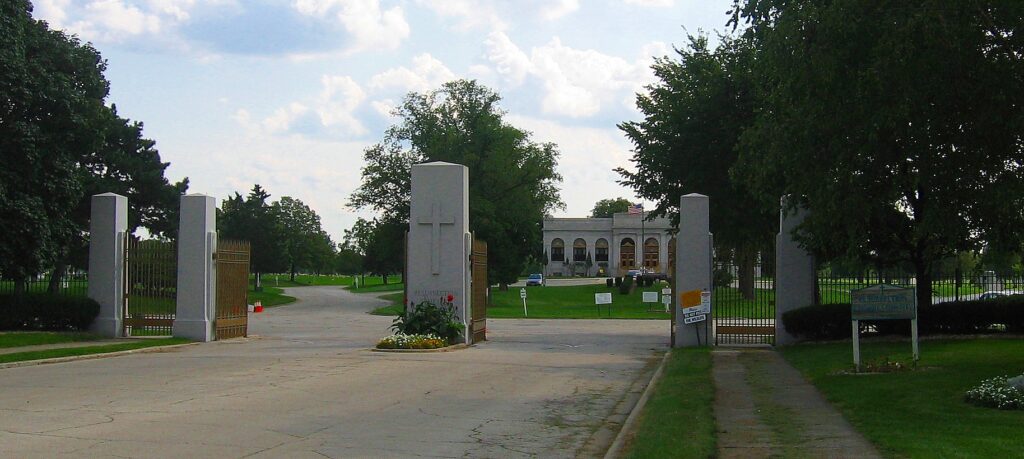
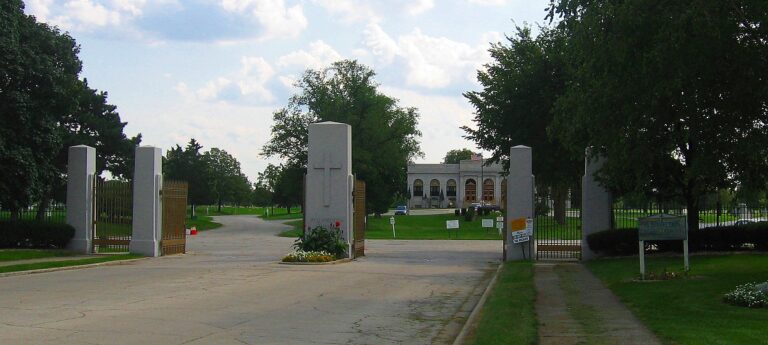
In the 1930s, at a Chicago dance hall, Jerry Palus danced with a blond girl named Mary. Her hands were ice cold. She gave him an address but asked him to drive down Archer Avenue, past Resurrection Cemetery. By the gates she had him stop, warned him he couldn’t follow, and was gone. The next day, as ghost investigator Dale Kaczmarek tells it, Palus went to the address. The woman at the door said her daughter had been dead for years. On the piano stood a photograph of the girl he’d danced with. Chicago calls her Resurrection Mary. Nobody has proved who she was. In 1979, a cab driver told a Chicago Tribune columnist about a fare on Archer Avenue: a blond in a white dress, no coat on a very cold night. She pointed across the road at a small shack: “There!” When he turned back, she was gone, and the door hadn’t opened. “May the good Lord strike me dead,” he swore, “it never opened.”

Place: Resurrection Cemetery

Death Alley

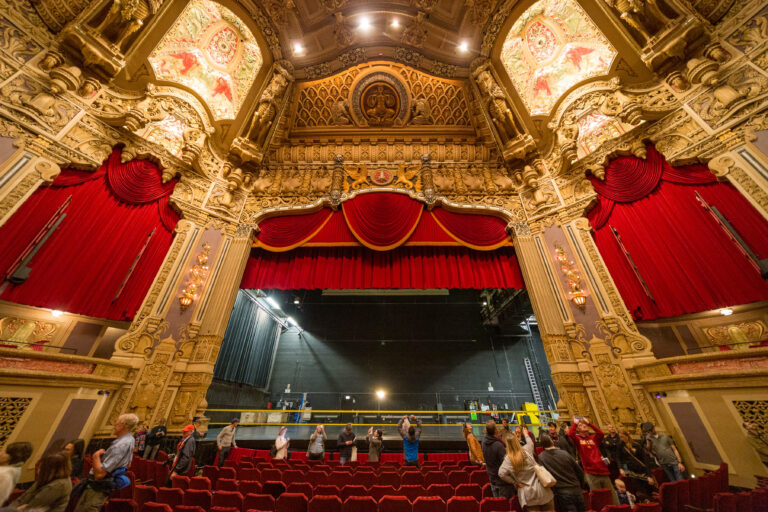
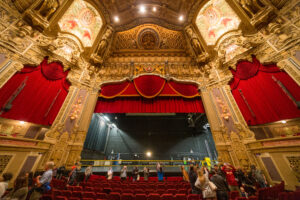
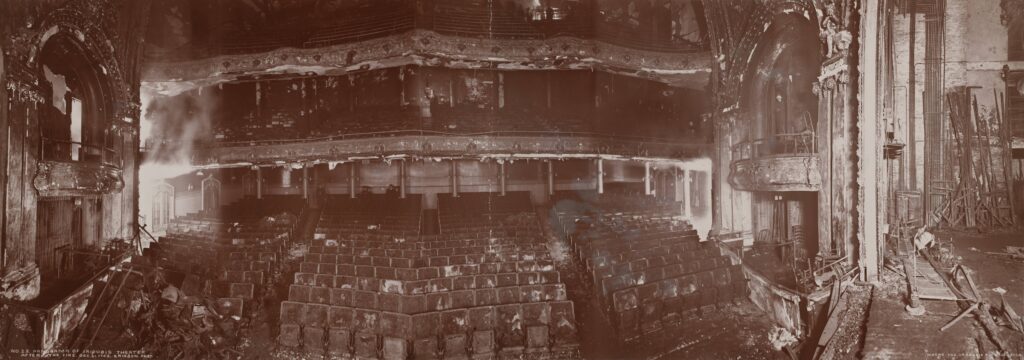
On December 30, 1903, fire swept through the Iroquois Theatre during a holiday afternoon show. The theater was five weeks old and advertised as “absolutely fireproof,” and most of the audience were women and children. The fire killed 602 people. Some in the balconies reached the fire escapes over the alley out back, only to find no ladder down. The travel magazine Condé Nast Traveler says apparitions have been seen in what Chicago calls Death Alley, where bodies were stacked after the fire. The Nederlander Theatre stands on the site now. In 2005, Saturday Night Live alum Ana Gasteyer played the Wicked Witch of the West there in Wicked. On the TV series Celebrity Ghost Stories, she told of meeting a woman and two children in a backstage hallway, all three dressed for the turn of the last century. Gasteyer nodded. The woman didn’t smile, but she nodded back. When Gasteyer turned the next corner, they were gone. Her dresser pointed out that December 30 was coming up.

Place: Nederlander Theatre

The Faces in the River

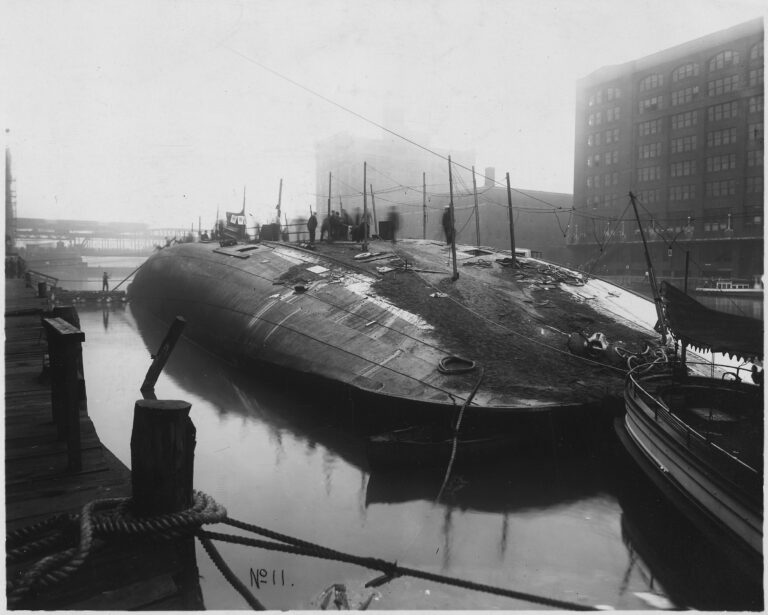
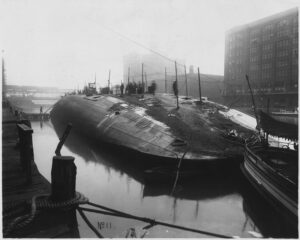
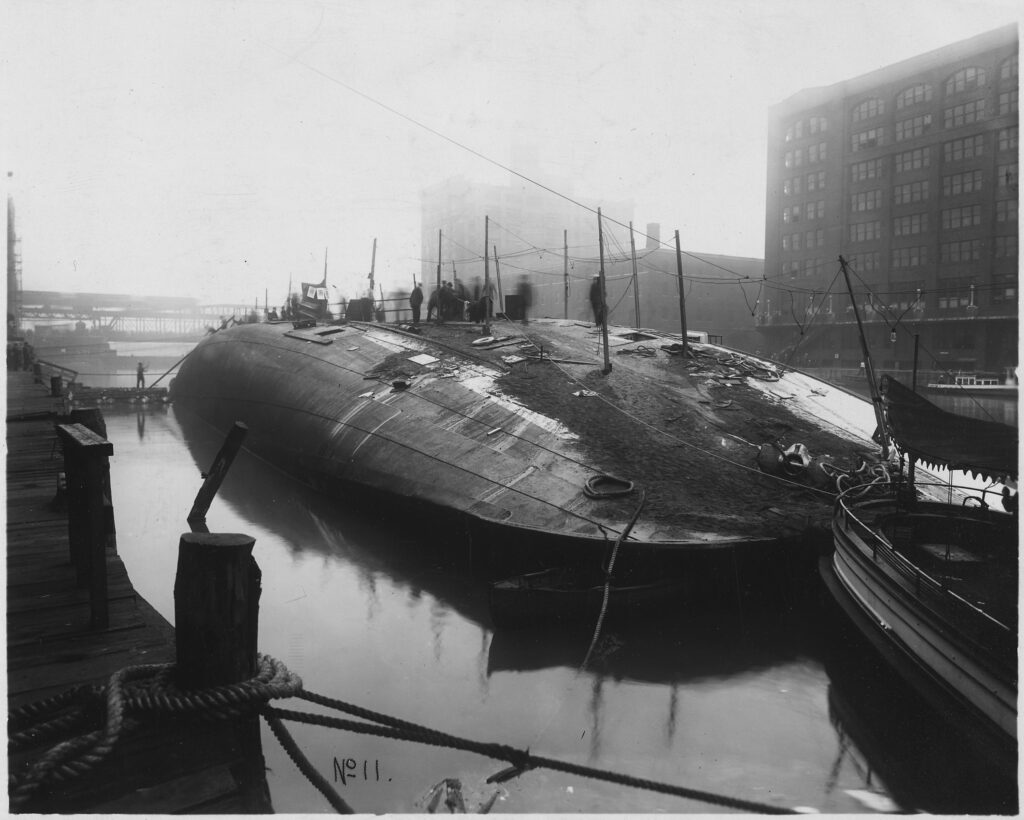
On the morning of July 24, 1915, the steamer Eastland was about to leave for a company picnic across the lake when it rolled over at its dock, between the Clark and LaSalle Street bridges. Hundreds of people had already gone inside, and the river trapped them there. The disaster killed 844 people, 22 entire families among them. Ursula Bielski wrote the 1998 book Chicago Haunts and runs the Chicago Hauntings ghost tours. She writes that for years after the disaster, people on the Clark Street Bridge heard cries from the river. One woman who knew nothing of the Eastland told her she stood at the rail there and heard a baby cry. Guides tell of faces in the water and hands reaching up, and of diners along the river who call the police about someone drowning. When officers arrive, they find no one.

Place: Eastland Disaster Memorial

The Graves Belong to the Dead

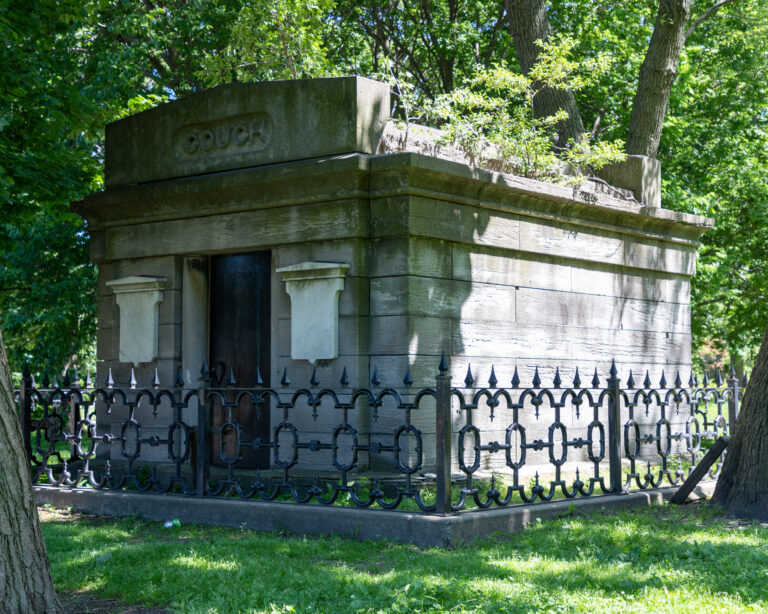
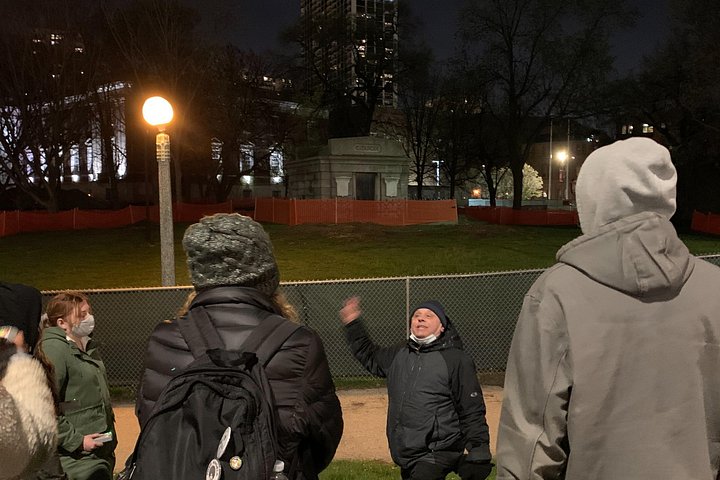
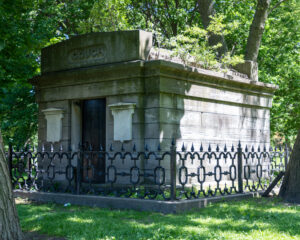
When Chicago cleared its lakefront City Cemetery to make Lincoln Park, one tomb stayed behind. In 1877, masons said moving the Couch Tomb would cost nearly $3,000, so the park decided to leave it and “plant trees thickly around it.” It was built in 1858 for Ira Couch, who ran the Tremont House hotel, and nobody has agreed since on who’s inside. Over the years the papers counted one coffin, four Couches, no bodies at all, and, in 1937, “an utter stranger who died in the Tremont house.” The two marble plaques beside its door are blank. Guides tell of a charm. At the stroke of midnight, you faced the tomb, looked up at the name Couch, and said three times, “The graves belong to the dead, not the living.” Then the doors would open, and “a big white ghost would come out and greet you.”

Place: Couch Tomb

The Boy on the 12th Floor

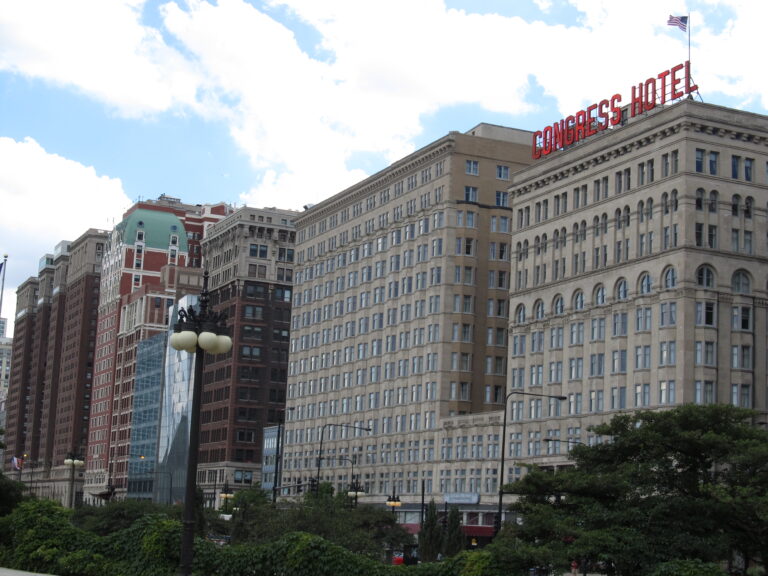
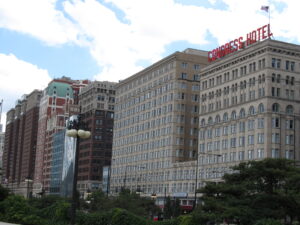
The Congress Plaza Hotel on Michigan Avenue was built in 1893 for visitors to the world’s fair, and ghost tours often call it Chicago’s most haunted hotel. Its best-known ghost story begins with a true one. In August 1939, Adele Langer, a refugee who had fled Prague as the Nazis took over, threw her two young sons from a high window of the hotel and jumped after them. She was in the country on a six-month visa, and historian Adam Selzer says she was afraid they would be sent back. A coroner’s jury found she had acted while temporarily insane. Tour guide Tony Szabelski says the 12th floor is haunted by the older boy, Karel, who was six. He tells of a security guard with 30 years at the hotel who was called up about a noisy child on that floor. The guard found a boy in old, worn clothes, who grinned at him and slowly faded away. Selzer, who has debunked much of the hotel’s lore, also says several guards have seen the boy, and some employees won’t go to that floor if they can help it.

Place: Congress Plaza Hotel

History

Chicago grew faster than it could bury, house, or protect its people. It had 109,000 residents in 1860 and more than a million by 1890.

Beginnings

The name Chicago is older than the city. Several Native languages named the marshy river mouth for the wild onions and leeks that grew there. Jean Baptiste Point Du Sable was the first permanent non-Native settler. In August 1812, with the country at war with Britain and the fort at Mackinac already fallen to the British, the Army ordered Fort Dearborn evacuated. Potawatomi warriors attacked the troops as they left, and the battle left more than 50 soldiers and settlers dead, women and children among them.

Cholera and the Lakefront Graves

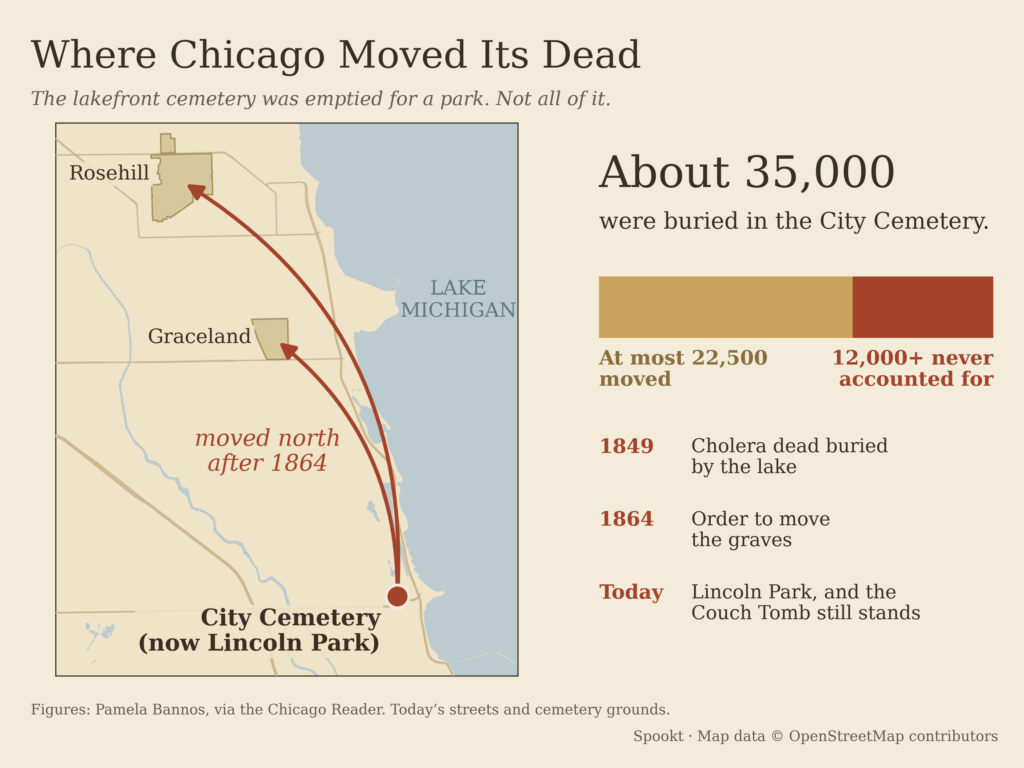
Cholera hit Chicago hard. It killed 678 people in 1849, about one Chicagoan in 35, and more than 1,400 in 1854. The dead went to the City Cemetery on the lakefront until doctors worried about graves so close to the lake. In 1864, the council ordered the bodies moved to cemeteries outside the city like Graceland and Rosehill, and the ground became Lincoln Park.
Fire and the Fair

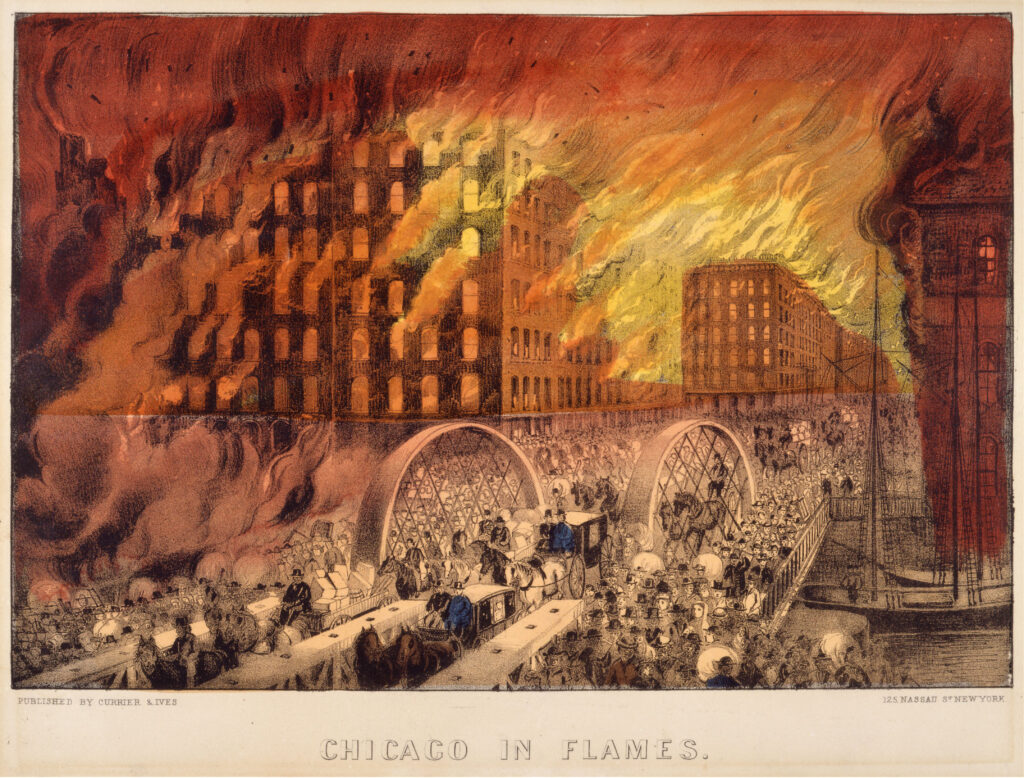
In October 1871, Chicago burned. The fire killed an estimated 300 people and left 100,000 homeless.
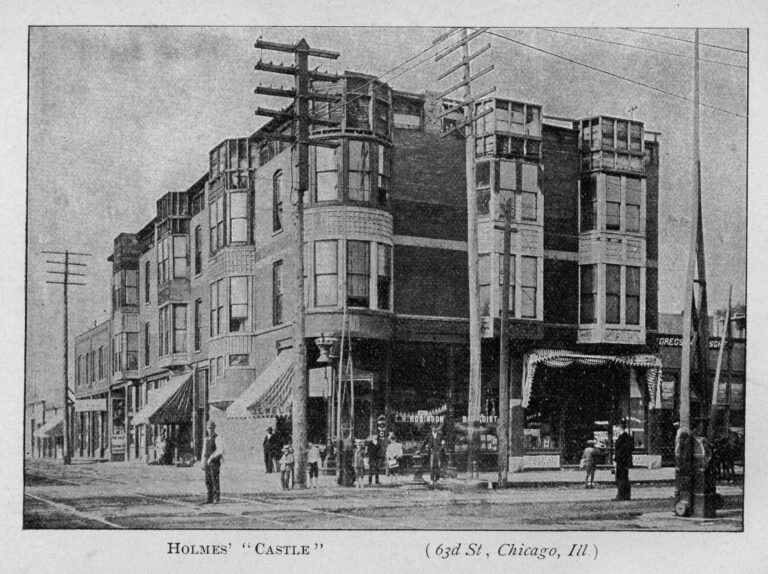
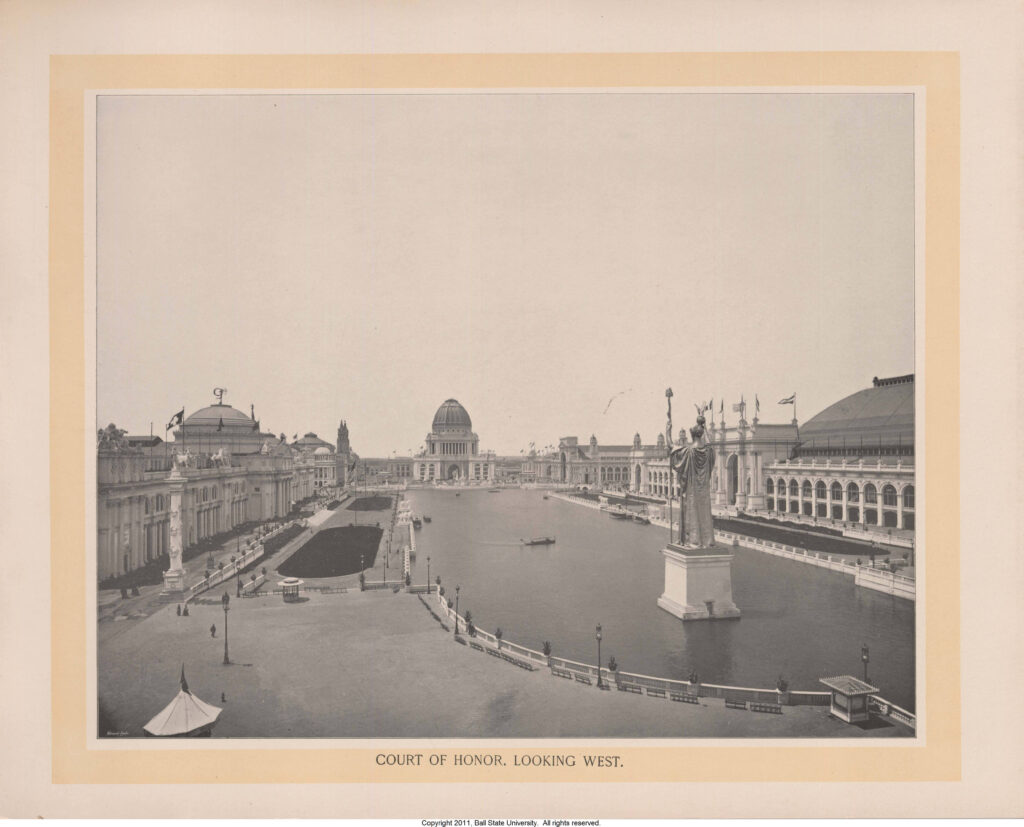
Chicago rebuilt in time to host the 1893 World’s Columbian Exposition, which drew more than 150,000 people a day. The fair had a dark twin in H. H. Holmes. WTTW, Chicago’s public broadcaster, calls him the city’s first documented serial killer, and Erik Larson’s 2003 book The Devil in the White City tells his story alongside the fair’s.
Disasters and Gangsters

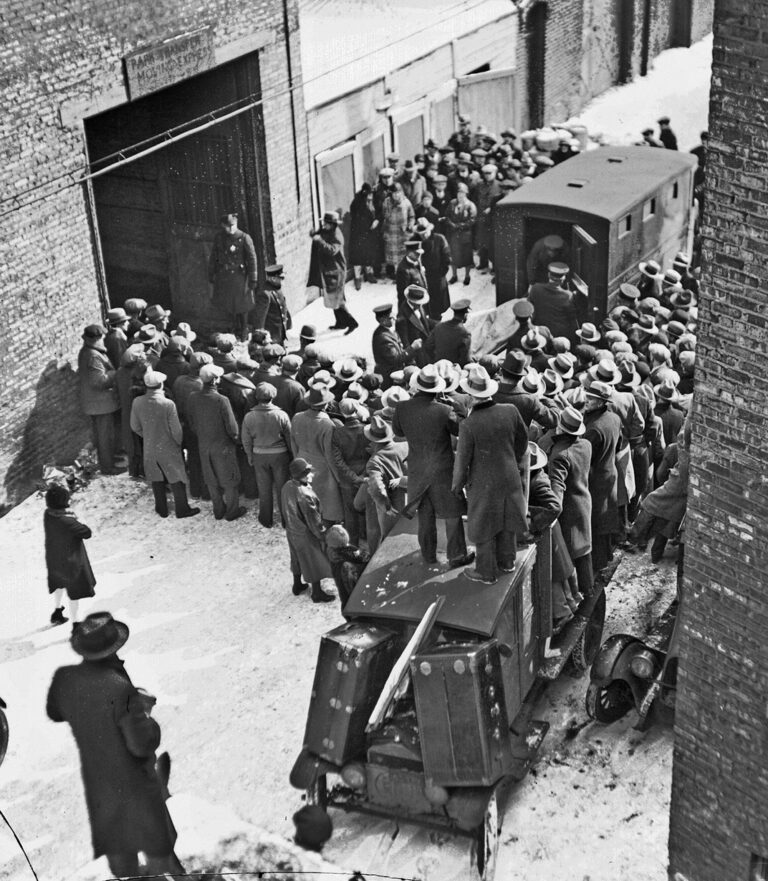
In the new century, Chicago kept losing people by the hundred: 602 at the Iroquois Theatre in 1903, 844 when the Eastland sank in the river in 1915. Prohibition handed the streets to Al Capone and his rivals. In the St. Valentine’s Day Massacre of February 14, 1929, seven men from Bugs Moran’s gang were machine-gunned against a garage wall on Clark Street. FBI agents killed John Dillinger outside the Biograph in 1934.
Why Is Chicago Haunted?

Chicago magazine says the city often ranks among the most haunted in the United States, and that “most of Chicago’s enduring ghost stories contain at least a kernel of historical truth.” In Chicago, that truth usually comes in crowds. Disasters killed people by the hundred, the city filled a cemetery and then tried to empty it, and its most famous crimes left their stories at addresses a visitor can still find.

Disasters

Chicago’s worst disasters killed people faster than the city could find room for the dead, and some of the buildings pressed into service kept the stories. After the Iroquois fire in 1903, the Marshall Field’s department store nearby took in victims, and many of them died there. The store is a Macy’s now. Chicago historian Adam Selzer says an employee told him that some of her co-workers didn’t like to go to one floor, where they sometimes saw “apparitions like ominous coffins.”
The Eastland was loaded with Western Electric workers and their families when it rolled over in the river in 1915. Bill Savage, a Northwestern University historian, has put it plainly: “Chicago is haunted not by ghosts, but by the city’s neglect of the working class.” About 600 of the Eastland’s dead were laid out in the Second Regiment Armory in the West Loop. The armory later became Harpo Studios, where Oprah Winfrey taped her talk show, before it was torn down for McDonald’s headquarters. In 2003, Chicago librarian Alice Maggio wrote that night guards at Harpo had reported crashing noises, “dozens of invisible footsteps marching across the lobby,” phantom laughter, and a woman sobbing. Others had met a ghost known as the Gray Lady, “seen floating down hallways in vintage dress.”

Cemeteries

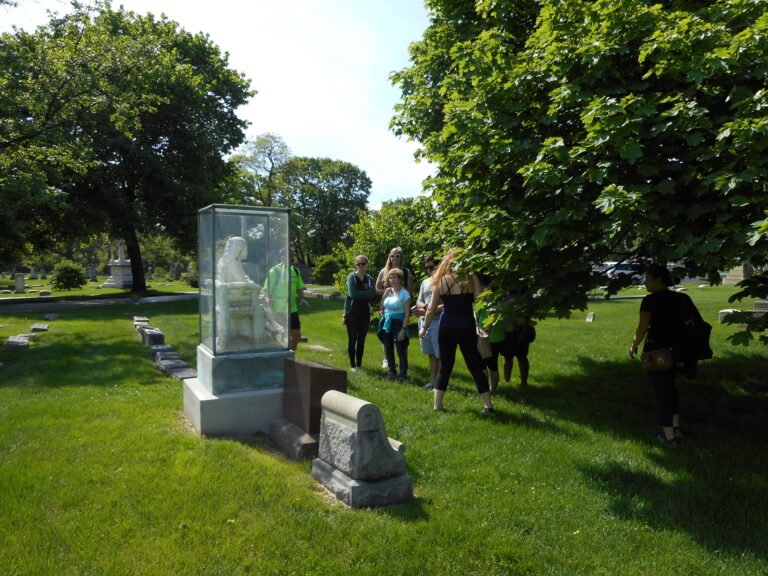
Chicago’s cemeteries hold some of its best-known ghosts, and some of its dead are still under a park. When the city emptied the old City Cemetery for Lincoln Park, as many as 12,000 of the dead may have stayed behind, and Selzer says bodies are still dug up there “pretty regularly.” The one tomb left standing, the Couch Tomb, has a legend all its own. At Graceland, a legend says the statue over the grave of a little girl named Inez disappears during thunderstorms because she is so afraid. In the southern suburbs, Resurrection Mary is said to hitch rides along Archer Avenue to the gates of Resurrection Cemetery.
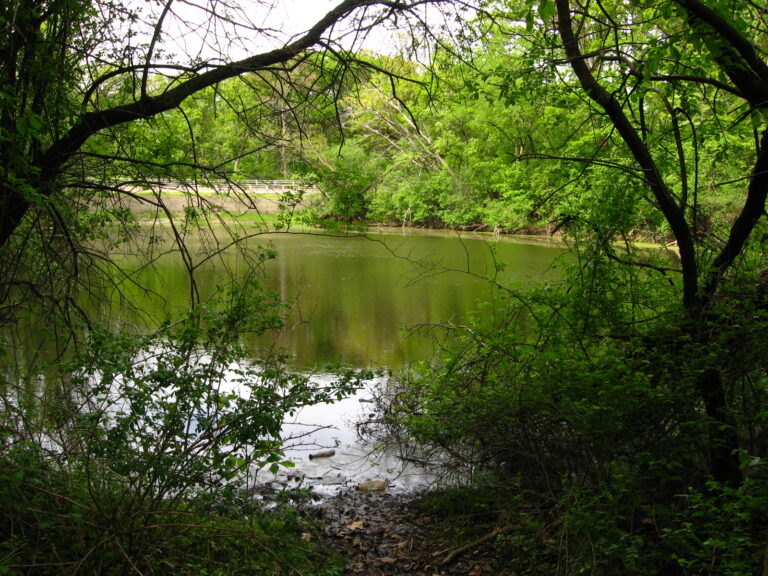
In 1991, a member of Dale Kaczmarek’s Ghost Research Society took what may be the most famous photo at Bachelor’s Grove Cemetery, in the woods near Midlothian. It shows the figure known as the Madonna of Bachelor’s Grove. The group has since photographed what appears to be a figure holding a baby, and some tie the two to a tombstone there that reads only “Infant Daughter.”

Crime

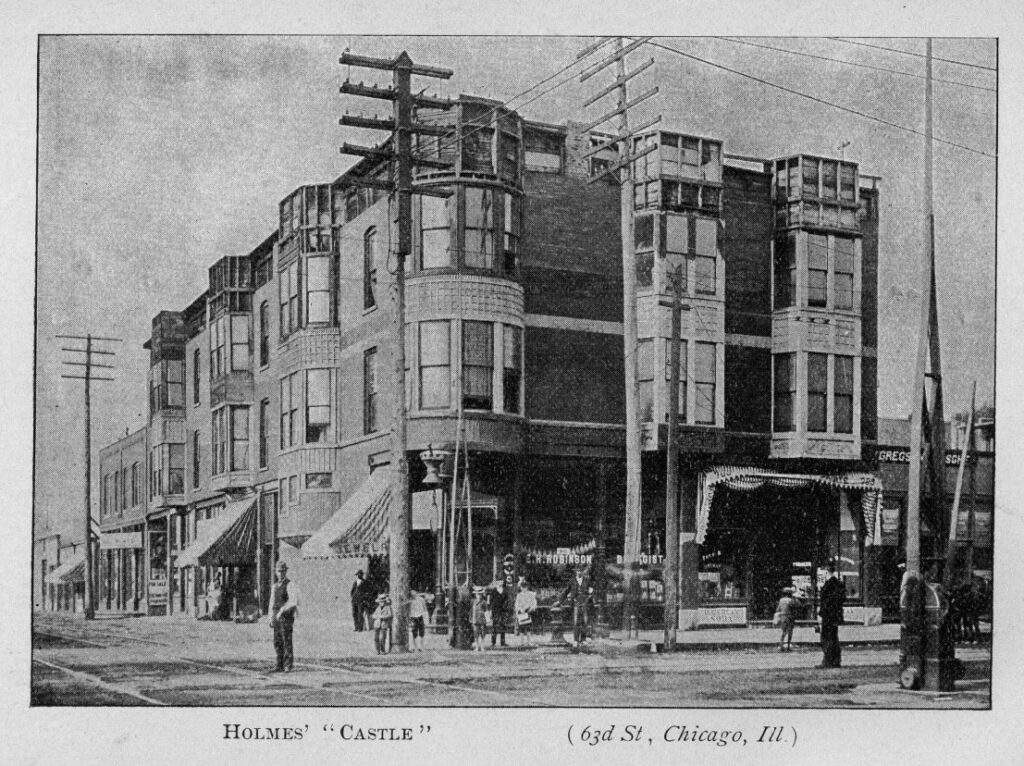
Chicago’s most famous crimes happened at real street addresses, and the ghost stories stayed even where the buildings came down. A post office now stands at 63rd and Wallace, partly on the ground where H. H. Holmes built what came to be called his murder castle. Guides say people have heard sounds and seen shadow figures in its basement.
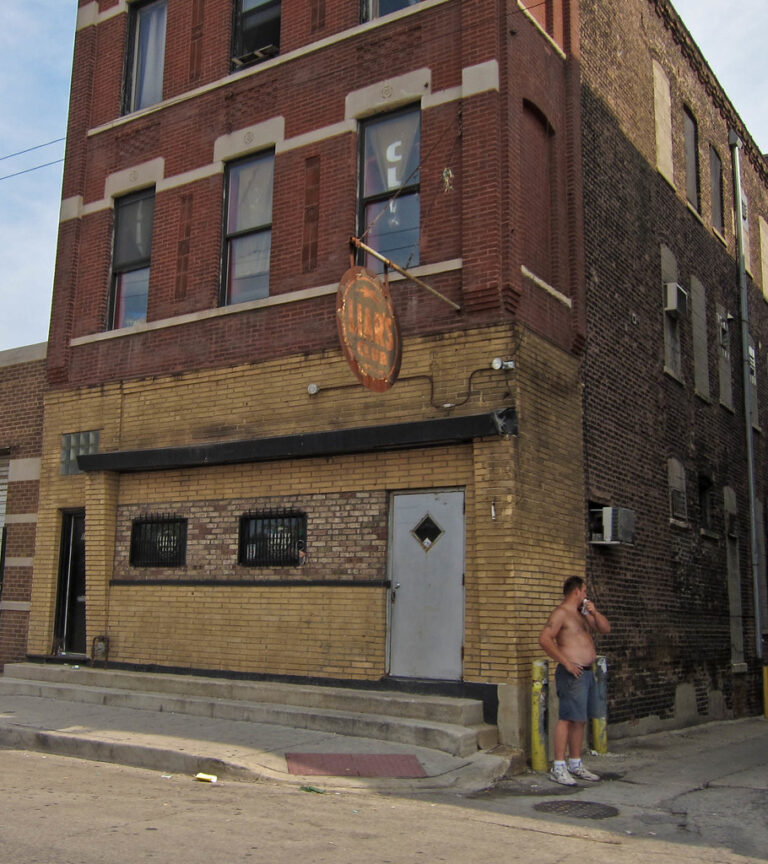
The garage where the St. Valentine’s Day Massacre took place came down in 1967. Kaczmarek says that in the years since the massacre, people have heard sobbing and moaning at the site, and that a Chicago police dog has been seen “barking, snarling and growling at something unseen.” Julia Hansen and her husband owned the Liar’s Club, a Lincoln Park bar. In 1986, she was killed with an ax in the apartment upstairs. Herb Rosen, who owns the bar now, says a woman alone in its bathroom had her hair pulled, and a bar worker was grabbed by the elbow when no one else was downstairs.
People and Lore

Person

H. H. Holmes

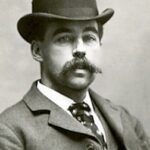
H. H. Holmes confessed to 27 murders in 1896, and some of the people he named turned out to be alive. He was hanged for one: the business partner whose…

Places

Haunted Places in Chicago

16 places, including 2 you can stay in

Cemetery

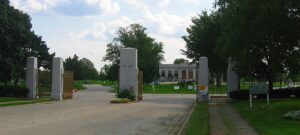
Resurrection Cemetery

Since the 1930s, men have told of dancing with a young woman who asks for a ride home along Archer Avenue and vanishes at these cemetery gates: Resurrection Mary, known as Chicago's most famous ghost.

Theater

Nederlander Theatre

The Broadway house on Randolph Street stands where 602 people died in the 1903 Iroquois Theatre fire, and locals still call the alley behind it Death Alley.

Other

Eastland Disaster Memorial

The steamer Eastland sank in the river here on July 24, 1915, killing 844 people, and Chicago's ghost guides say faces still show in the water below the Clark Street Bridge.

Theater

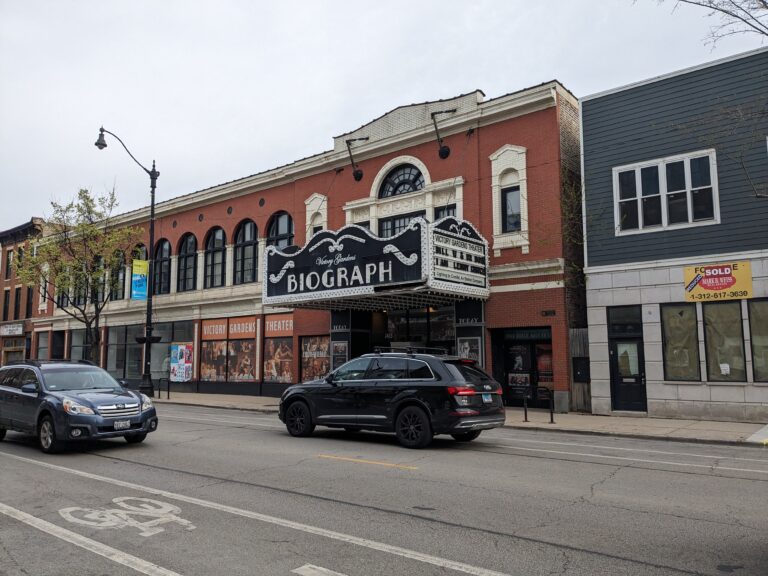
Biograph Theater

FBI agents gunned down John Dillinger outside this Lincoln Avenue movie house in 1934, and ghost guides say a blue figure still runs for the alley beside it, stumbles, and vanishes.

Cemetery

Couch Tomb

When Chicago moved its old City Cemetery out of what became Lincoln Park, thousands of bodies may have been left behind. By the 1880s, the tomb that still stands there was said to hold a white ghost behind its doors.

Other

H. H. Holmes Murder Castle Site

In 1895, Chicago police dug human bones out of the cellar of H. H. Holmes' building on this Englewood corner, which the papers called his "castle." A post office stands here now, and its basement is said to be haunted.

Other

St. Valentine’s Day Massacre Site

Seven men were machine-gunned against a garage wall here on February 14, 1929, and though the garage came down in 1967, dogs are said to react to the spot and the wall's scattered bricks to carry a curse.

House

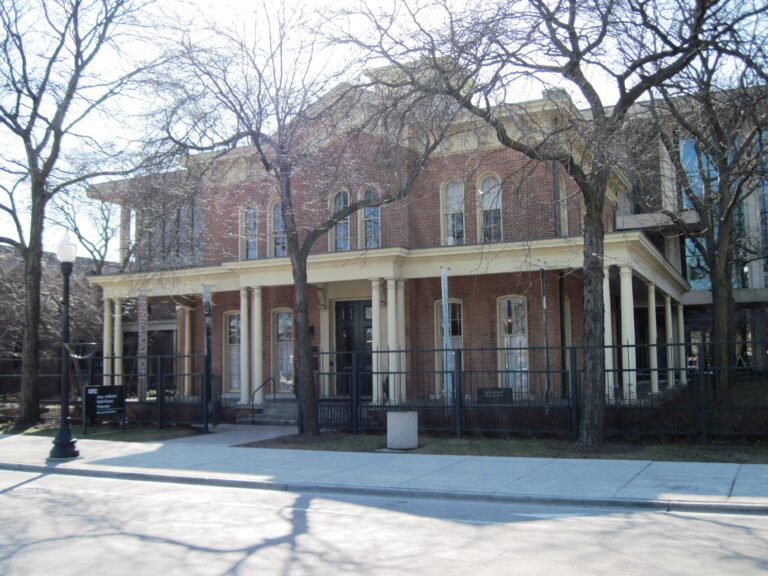
Hull-House

In 1913, a rumor spread that Hull-House, the settlement house Jane Addams founded, was harboring a 'Devil Baby', and the museum there today says the house is often considered one of Chicago's most haunted sites.

Cemetery

Bachelor’s Grove Cemetery

An isolated 19th-century cemetery in the woods near Midlothian, where a Ghost Research Society photo taken in 1991 shows the figure known as the 'Madonna of Bachelor's Grove.'

Cemetery

Graceland Cemetery

A life-size girl sits in a glass box over a grave marked Inez, and Graceland's own biography of her repeats the legend that she disappears during thunderstorms because she is so afraid.

Bar

Excalibur Building

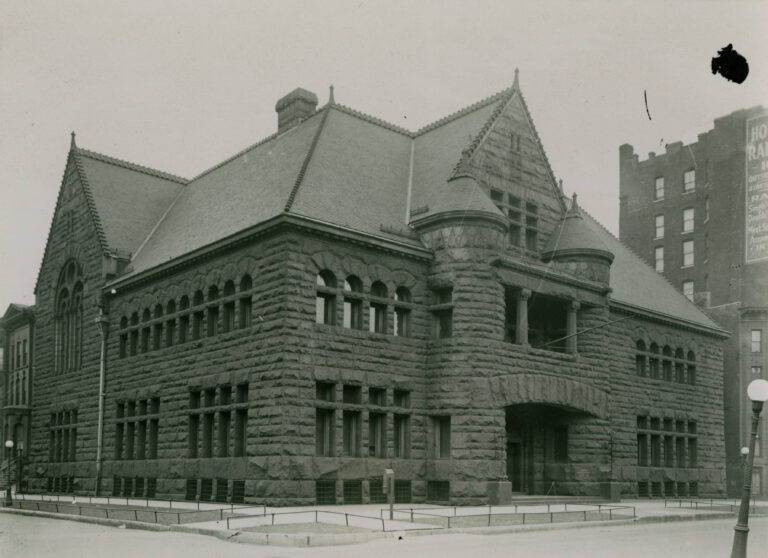
Once the Chicago Historical Society's home, the stone fortress on Dearborn became the Excalibur nightclub, and its ghost stories brought the TV series Ghost Adventures to spend a night locked inside in 2012.

Prison

Old Joliet Prison

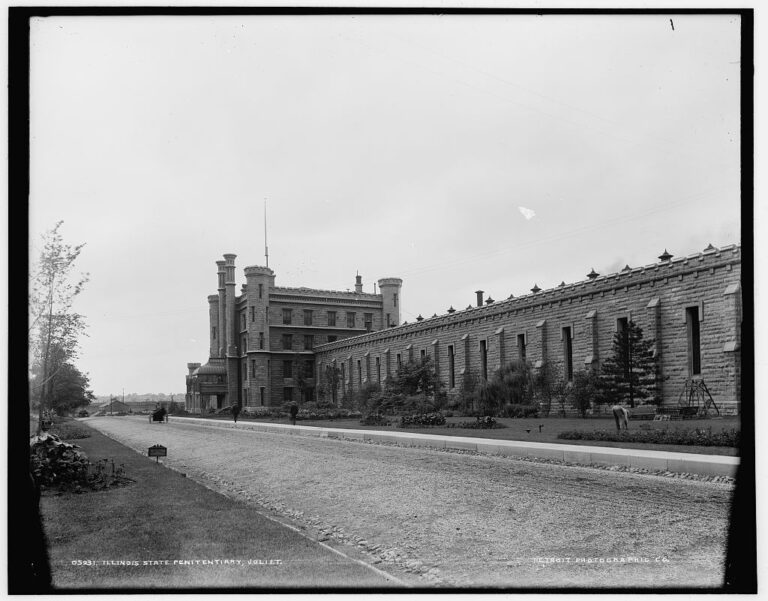
Joliet's 1858 prison held Leopold and Loeb, the 1920s 'crime of the century' murderers, and John Wayne Gacy. When a guest's 2018 photo seemed to show a woman in white floating in the yard, tour guide Larry Arroyo thought of the warden's wife found murdered in her prison apartment in 1915.

Bar

Red Lion Pub

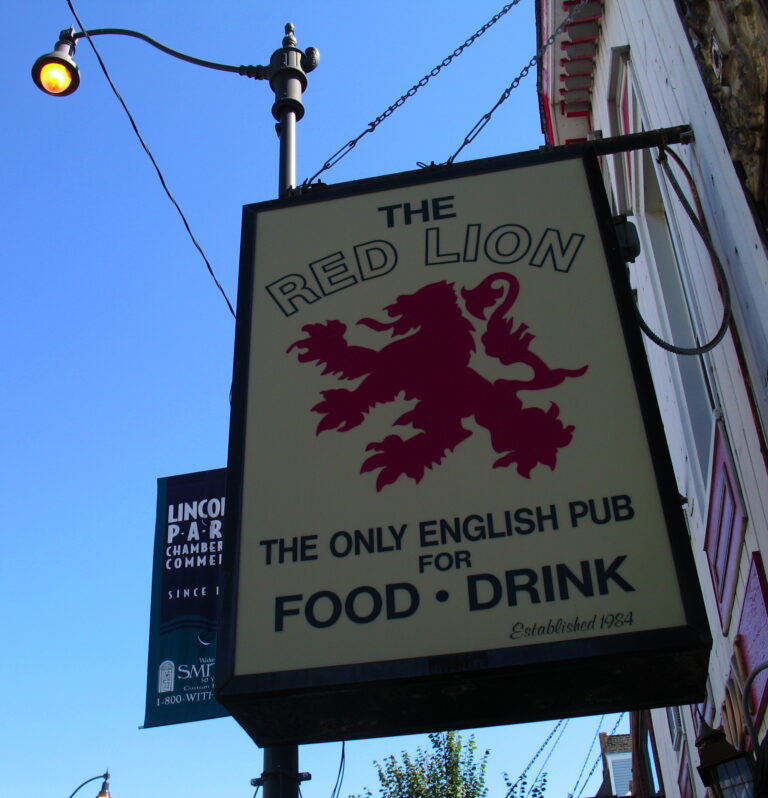
The Red Lion's 1882 building came down in 2008. Owner Colin Cordwell says its ghosts never left, among them a woman thought to have died upstairs on her 20th birthday.

Bar

Liar’s Club

A jury convicted the bar's owner of killing his pregnant wife, Julia Hansen, with an ax in their apartment upstairs in 1986. Today's owner, Herb Rosen, says she still appears behind the DJ booth.

Hotel

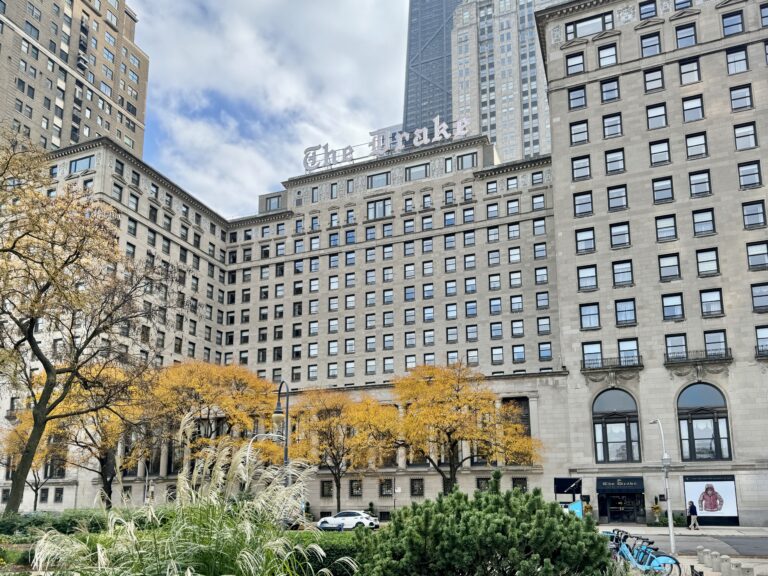
The Drake Hotel

The Drake opened on New Year's Eve 1920, and Chicago's ghost guides place two women in it: the Lady in Red on the 10th floor and the Lady in Black on the eighth. She is said to be the never-identified killer in a 1944 murder, whom the New York Times described at the time as "a woman in a fur coat."

Dig deeper

Ghost Tours in Chicago

11 tours

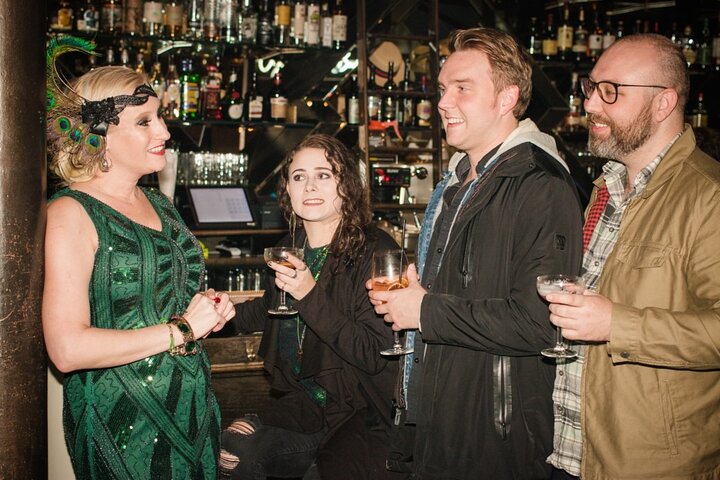
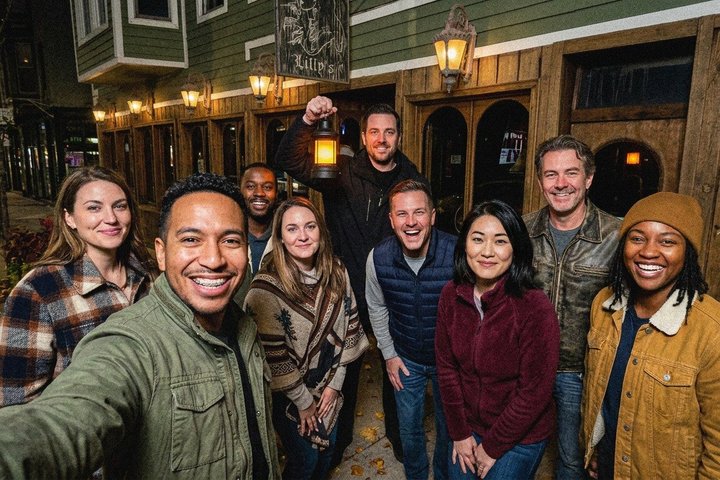
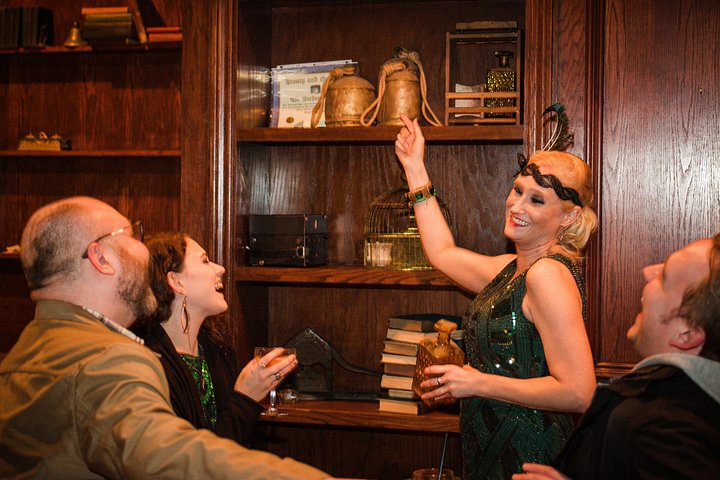
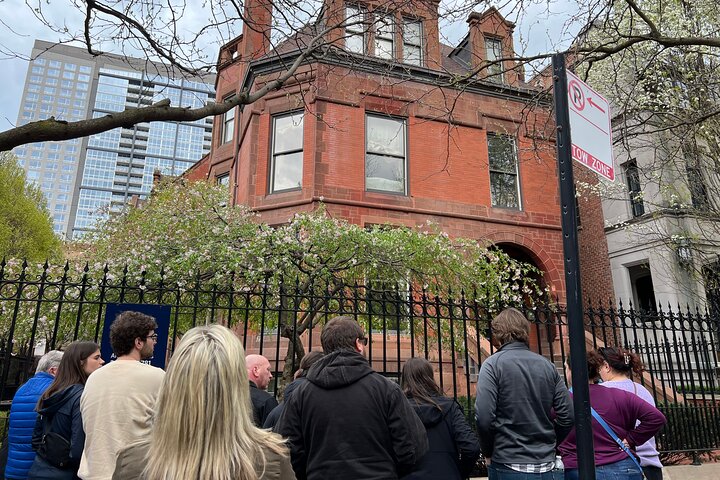
Many Chicago ghost tours are part gangster tour. Pick a Loop walk for Death Alley and the Congress, or a Lincoln Park walk or pub crawl for Dillinger’s alley and the old cemetery. A ghost bus reaches the far-flung stories without the walking, and a river cruise shows the city from the water after dark. Ratings combine Viator and Tripadvisor reviews.

See all 11 ghost tours in Chicago

TV Investigations

11 episodes at 11 places in Chicago, Illinois

Benton House

1 episode

Congress Theater

1 episode

Joliet Correctional Center

1 episode

Joliet Prison

1 episode
  • Destination FearJoliet Prison2020
Show all 11 TV episodes filmed in Chicago, Illinois

Liar's Club

1 episode
  • Ghost LabSmell of Fear2009

Metro Rock Club

1 episode
  • Ghost LabMurky Water2009

Old Town Tatu

1 episode
  • Ghost LabUnder the Skin2009

Rialto Square Theatre

1 episode

Scutt Mansion

1 episode
  • Paranormal LockdownScutt Mansion2017

Quick Answers

5 questions
What is Death Alley in Chicago?

Death Alley is Couch Place, the loading alley behind the Nederlander Theatre on Randolph Street, on the site of the 1903 Iroquois Theatre fire that killed 602 people.

Is there a haunted hotel in Chicago?

Yes. The Congress Plaza Hotel, often called the city’s most haunted, is known for the ghost of a little boy on its 12th floor and for Room 441, and the Drake’s Lady in Red is said to haunt its 10th floor.

Where was the St. Valentine's Day Massacre?

At 2122 N. Clark St. in Lincoln Park, where seven men were machine-gunned in a garage on February 14, 1929. The garage came down in 1967, and the site is a fenced lawn with no marker.

Where was H. H. Holmes' murder castle?

At 63rd and Wallace streets in Englewood. The building was torn down in the 1930s, and a U.S. Post Office stands on the site.

Who is Resurrection Mary?

Resurrection Mary is the ghost of a young woman said to ask for a ride home along Archer Avenue and vanish at the gates of Resurrection Cemetery in Justice, a story told since the 1930s.

Visit

Visiting Chicago

  • Worth knowing: Every October, the Jane Addams Hull-House Museum runs its own ticketed Halloween folklore tours of the house (in 2026, October 8–23), separate from the ghost tours on this page (Hull-House Museum).
  • Worth knowing: The St. Valentine’s Day Massacre site has nothing to see: a fenced lawn beside a senior apartment building at 2122 N. Clark, with no marker (WBEZ, 2018).

Contributors

Spookt Logo
Sources (20)

WTTW

the Iroquois fire and the Eastland (Chicago Stories, On This Day), Chicago's name and Lincoln Park's graves (Chicago Mysteries), Fort Dearborn, cholera and population figures, H. H. Holmes (Time Machine)

Chicago Public Library

the City Cemetery and its removal, the 1849 cholera toll, incorporation

Chicago Architecture Center

architecture.org

the 1871 fire and the 1893 World's Columbian Exposition

FBI History

fbi.gov

Al Capone and the St. Valentine's Day Massacre; John Dillinger

A guide to Chicago's most haunted places

Chicago magazine, October 2017

Chicago Hauntings series

CBS Chicago

Ana Gasteyer's backstage story at the Iroquois site; the Eastland; the Couch Tomb legend; the Congress Plaza Hotel's 12th floor; Resurrection Mary's 1979 cab driver; the Holmes post office; the Liar's Club

Gapers Block

Harpo Studios

844 Souls: Ghosts of the Eastland Disaster

Ursula Bielski, World of the Supernatural

5 lesser-known haunted places in Chicago

Time Out Chicago · Adam Selzer, October 2015

WBEZ

Harpo Studios (2016), the Couch Tomb (2018), Bachelor's Grove (2024)

Congress Plaza Hotel History

Congress Plaza Hotel

Inez Clarke

Graceland Cemetery

Ghost Research Society

the St. Valentine's Day Massacre site; Resurrection Mary (Mary Bregovy in the 1934 Tribune, the 1976 bars, the cemetery worker's 1992 answer)

Mysterious Chicago

the Congress Plaza Hotel's 12th floor; Resurrection Mary's candidates