
Spookt’s Guide to

Haunted New Orleans, Louisiana

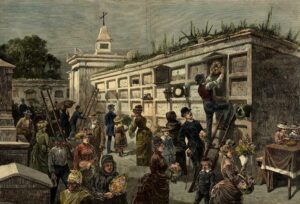
Yellow fever earned New Orleans the nickname Necropolis, the city of the dead. Its dead still lie above ground in tombs that look like little houses.

Tulane University’s news office says the dead outnumber the living in New Orleans tenfold, which adds to the city’s reputation as the most haunted in the U.S.

All 21 ghost tours in New Orleans

Book through our links and Spookt gets a small cut, at no extra cost to you. It keeps the research going. How that works

Famous Hauntings

The Fire on Royal Street

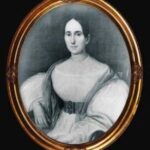
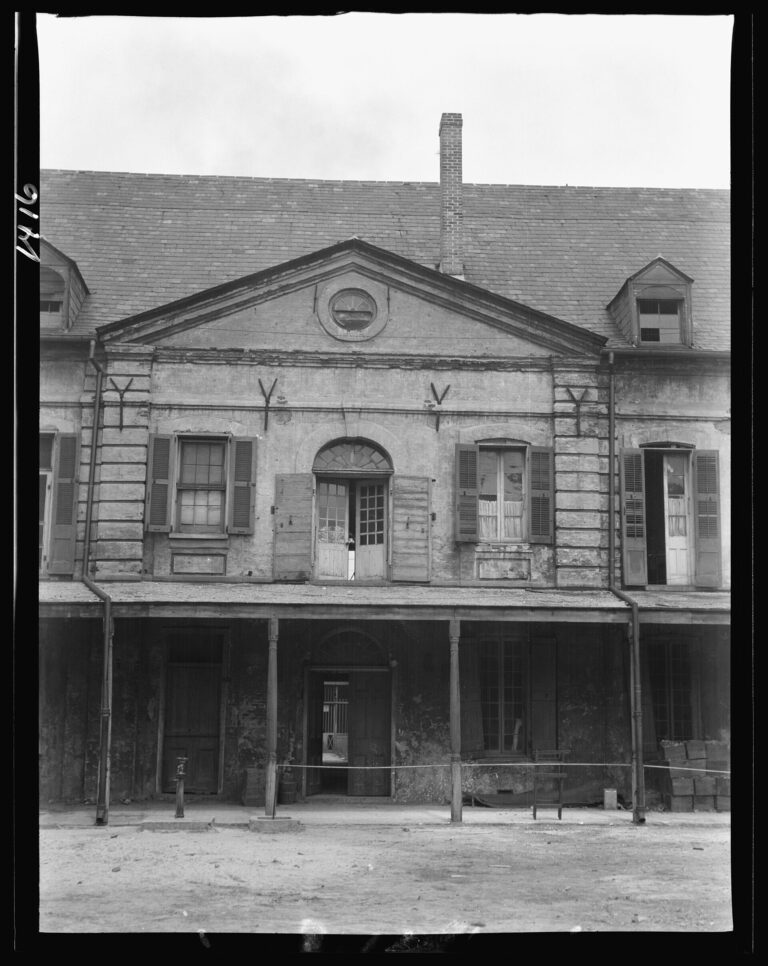
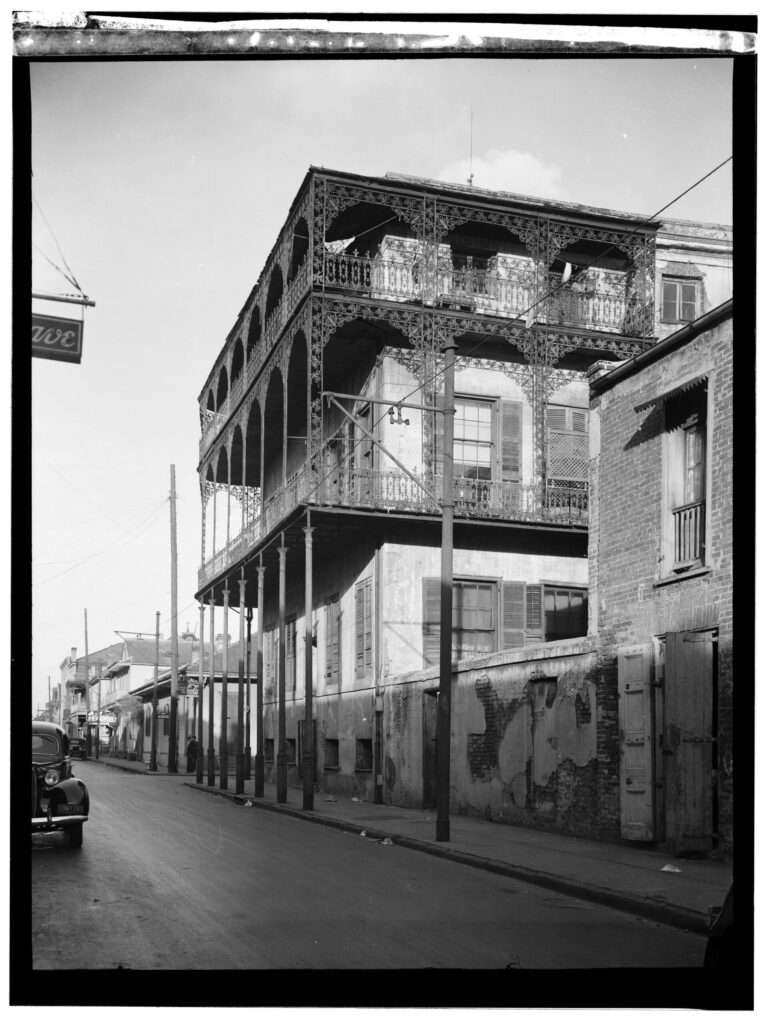
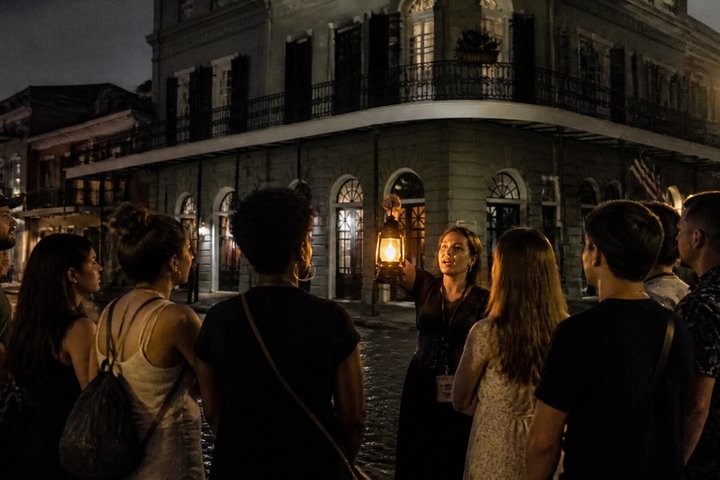
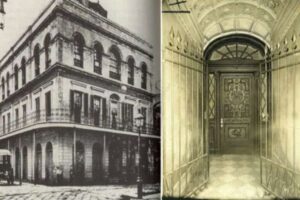
When fire broke out in Delphine LaLaurie’s Royal Street mansion on April 10, 1834, neighbors rushed in to help. They found seven enslaved people who had been starved, tortured, and chained. By 1838, the story had picked up a little girl chased to the roof until she fell, a detail first printed by the English writer Harriet Martineau. Tour groups gather outside the house day and night now. Andrew Ward, a French Quarter ghost tour guide, told Tulane University’s news office in 2013 that 39 people had fainted on his tours. All but one went down in front of this house. “It’s a generator for negative energy,” he said.

Place: LaLaurie Mansion

The Voodoo Queen

When Marie Laveau died in 1881, the New York Times reported she was 98. Historian Carolyn Morrow Long’s dates put her at 79. Either way, New Orleans wasn’t ready to let her go. Sextons at St. Louis Cemetery No. 1 later described visitors coming “almost daily to make offerings to Marie’s spirit,” and they would “knock three times on the marble slab” of her family’s tomb. Legend still says she’ll grant the wish of anyone who marks three Xs on the tomb, knocks, and calls the wish out. Writer Michael Kleen says her ghost has been seen around the French Quarter, too, in 19th-century clothes and a red tignon, a traditional Creole head wrap. Writing on the tomb will get you fined now, but when we visited, it was covered in Xs and tributes.

Place: St. Louis Cemetery No. 1

The Man Who Tore Down the Flag

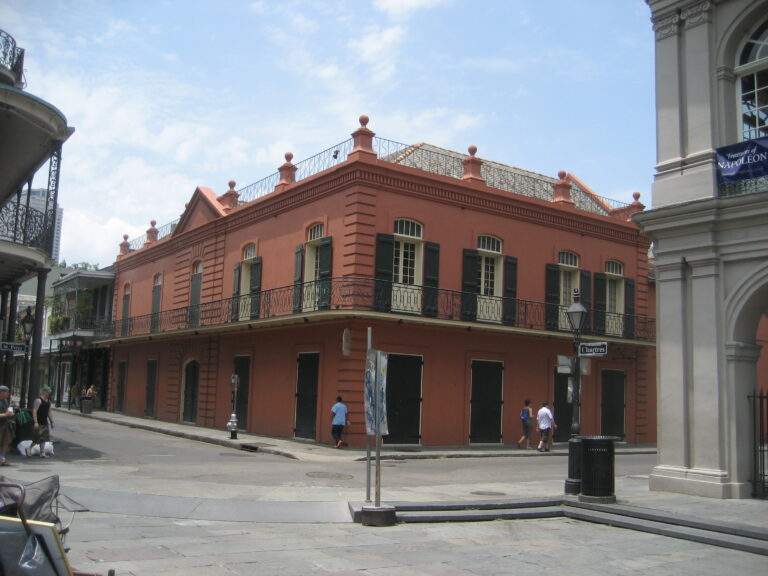
In April 1862, U.S. Marines raised the American flag over the Mint, and a gambler named William Mumford tore it down. On June 7, Benjamin Butler, the Union general who ran the occupied city, had him hanged at the Mint. A New Orleans report reprinted that month put the gallows at a second-story window, “directly under the flagstaff that had borne the colors in question.” Writer Alan Brown’s 2020 book The Haunted South counts Mumford among the Mint’s ghosts, and Brown says he’s affectionately known as “Poor Mumford.” A woman seen throughout the building is said to be his mother, “heartbroken at the loss of her son,” and the weeping that sometimes echoes through the old Mint usually gets blamed on her.

Place: Old U.S. Mint

Wine and Blood on Chartres Street

By 1908, a gang of extortionists known as the Black Hand was demanding money from wine merchant Pietro Giacona. On the evening of June 16, he and his son Corrado invited four of the men into their home at 1113 Chartres Street. Louisiana’s Thibodaux Sentinel reported that the Giaconas “wined and dined them for several hours.” Historian Justin Nystrom of Loyola University says that when the men demanded money, Pietro told them he would get it and came back with a rifle instead. In the early hours of June 17, father and son shot three of the men dead. Both were jailed on a charge of murder and later went free. Writer Michael Kleen says passersby have heard gunshots and shouting outside the house at night, smelled gunpowder, and seen shadowy figures in the garden.

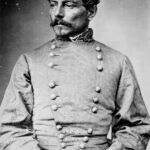
The house has older ghosts, too. Confederate General P. G. T. Beauregard, whose name it still carries, rented it after the Civil War. Legend fills its courtyard with soldiers who died under his command at Shiloh, one of the war’s bloodiest battles. Victor C. Klein describes them in his 1993 book New Orleans Ghosts: “Men with mangled limbs and blown-away faces swirl in a confused dance of death.”

Place: Beauregard-Keyes House

The Casket Girls

In 1728, as the story goes, a shipload of young French women arrived in New Orleans to marry the colony’s mostly male settlers. Each carried a small suitcase called a cassette, or casket, which gave them their name. As NOLA.com’s Mike Scott tells the legend, each of those caskets held a vampire. They were kept on the Ursuline Convent’s sealed-off third floor, behind shutters “secured with nails blessed by a pope.” Another version makes the girls themselves the vampires. Either way, Scott writes, they “provided competition to Louisiana’s mosquitoes.” The convent that stands today wasn’t finished until 1752, and the city archives’ answer to “Were the Casket Girls vampires?” is “No, they were not.” That hasn’t kept the vampire tours from stopping outside.

Place: Old Ursuline Convent

History

When Jean-Baptiste Le Moyne, Sieur de Bienville, founded New Orleans in 1718, he chose a spot on the east bank of the Mississippi where the river made a “fine crescent.” Three centuries later, it’s still the Crescent City. The ground had a history before the French arrived. Native Americans had gathered there for centuries to trade, make alliances, and hunt, and the Choctaw called it Bulbancha, the Land of Many Tongues. Today, it’s the French Quarter, and its streets still follow the grid laid out in the early 1720s.

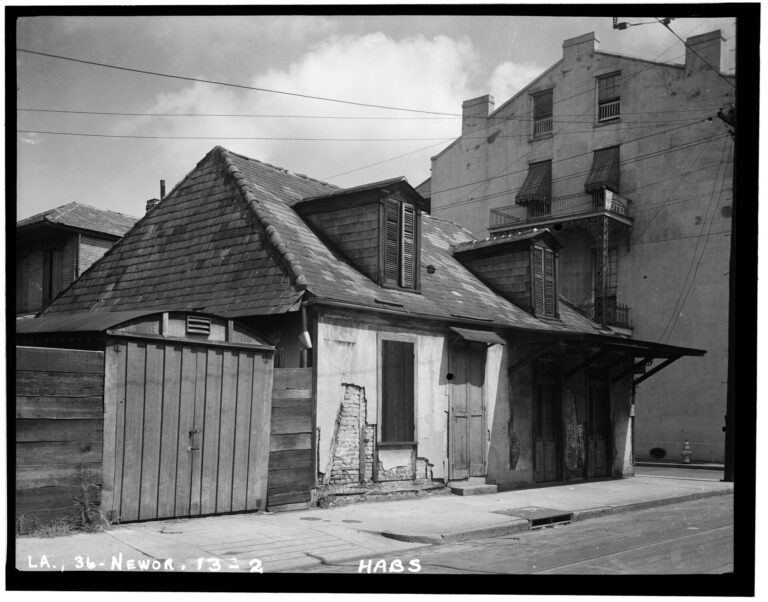
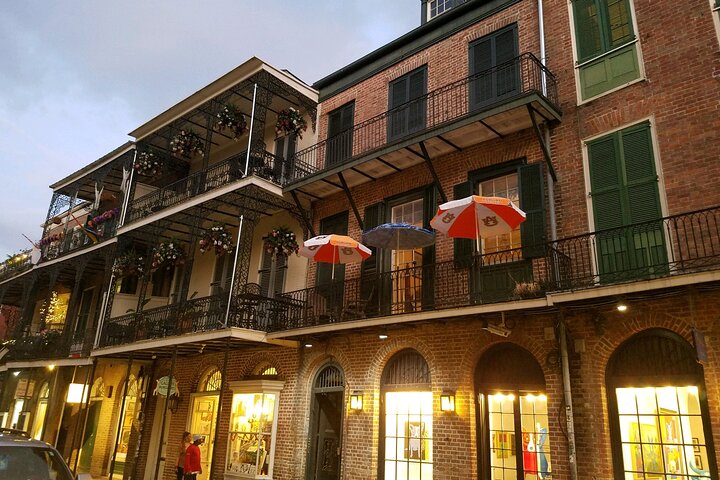
Spain took Louisiana over in the 1760s, and under Spanish rule the town burned twice. The fire of March 21, 1788, destroyed 856 of the city’s more than 1,100 buildings, and a second fire in December 1794 took much of what had just been rebuilt. This time the city rebuilt in brick and plaster. In the words of The Historic New Orleans Collection, the “almost pastoral, French-looking town began to resemble cities throughout the Spanish American empire, like Havana, San Juan, and Cartagena.” That’s why so much of the French Quarter looks more Spanish than French. The church that became St. Louis Cathedral was rebuilt after the first fire, and the old cottage that houses Lafitte’s Blacksmith Shop bar is said to have come through both.
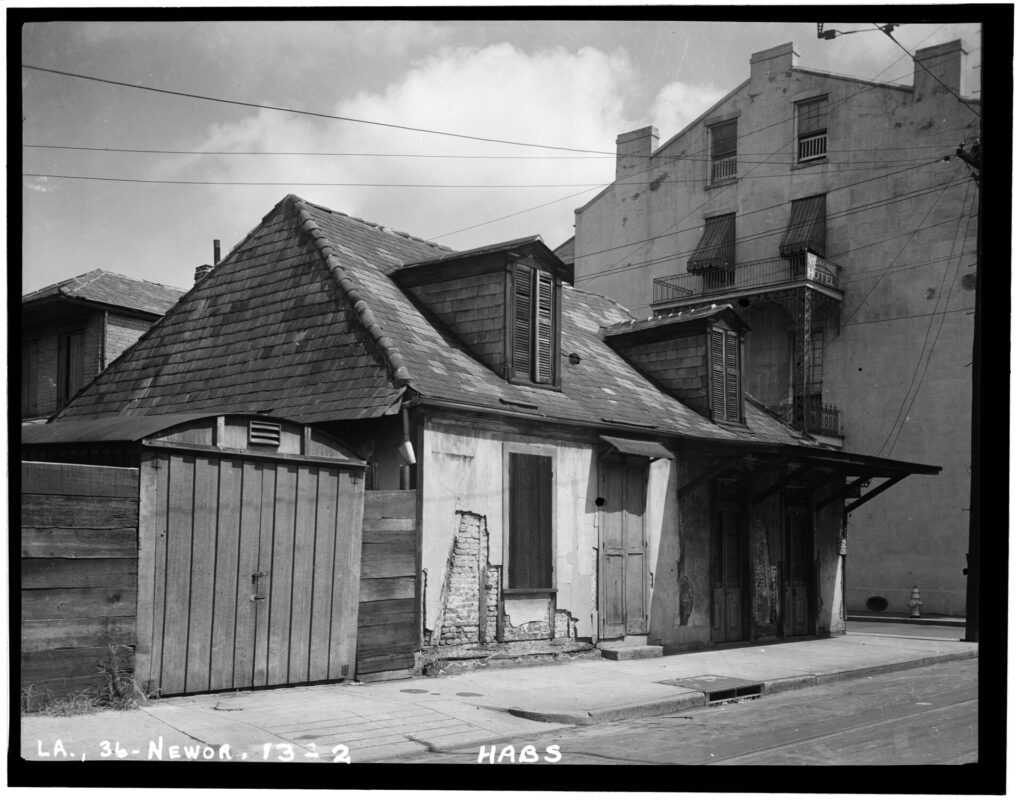
New Orleans became an American city in 1803. For most of the decades before the Civil War, it was the Deep South’s largest and wealthiest city and the fourth busiest port in the world. It’s the city most often tied to jazz, and its Mardi Gras goes back to the colony’s early years. In 1729, a young Parisian clerk named Marc-Antoine Caillot dressed as a shepherdess, beauty marks and all, and led a party of masked friends to a wedding reception.

Why Is New Orleans Haunted?

New Orleans gives its ghosts plenty to work with: its age, its cemeteries, Voodoo, epidemics, slavery, fire, and flood. Daphne Schobert, a guide with Haunted History Tours, sums it up: “New Orleans was born in tragedy, grew up in tragedy and tragedy creates emotional attachment, and emotional attachment creates most hauntings.”

Age

Three hundred years is a long time to collect stories, and New Orleans has collected its dead, too, sometimes right under its own streets. The city’s first formal burial ground, the St. Peter Street Cemetery, was nearly full by the 1780s, and St. Louis Cemetery No. 1 replaced it in 1789. By 1800, the old cemetery had been closed and built over. “The government just expropriated the land and built buildings on top of it,” says Lee Leumas, who directs the archives of the Archdiocese of New Orleans. Many of those buildings still stand in the French Quarter.

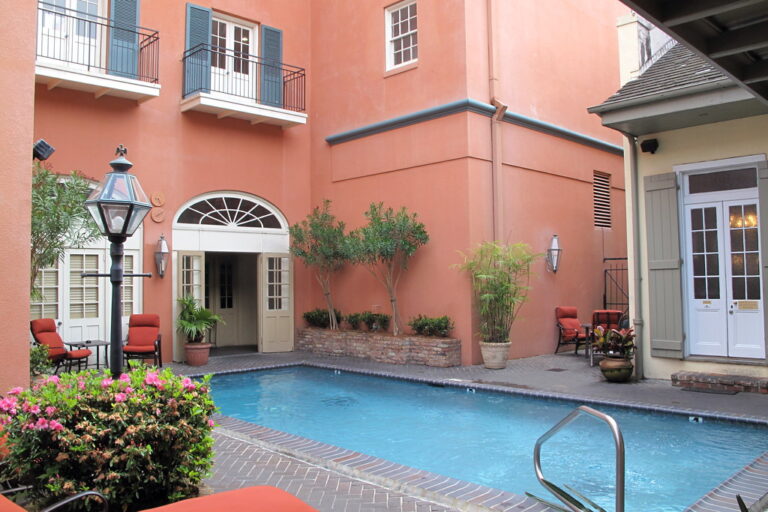
In 2011, a property owner on Rampart Street had archaeologist Ryan Gray of the University of New Orleans dig a test pit before putting a pool in his condominiums’ courtyard. Five feet down, Gray’s shovel hit wood. It was a coffin. Standing at the corner of Burgundy and St. Peter Streets, Gray once guessed how many people lay under his feet: “Six, eight, ten people.” Every night, ghost tours lead their groups across those same streets.

Cemeteries

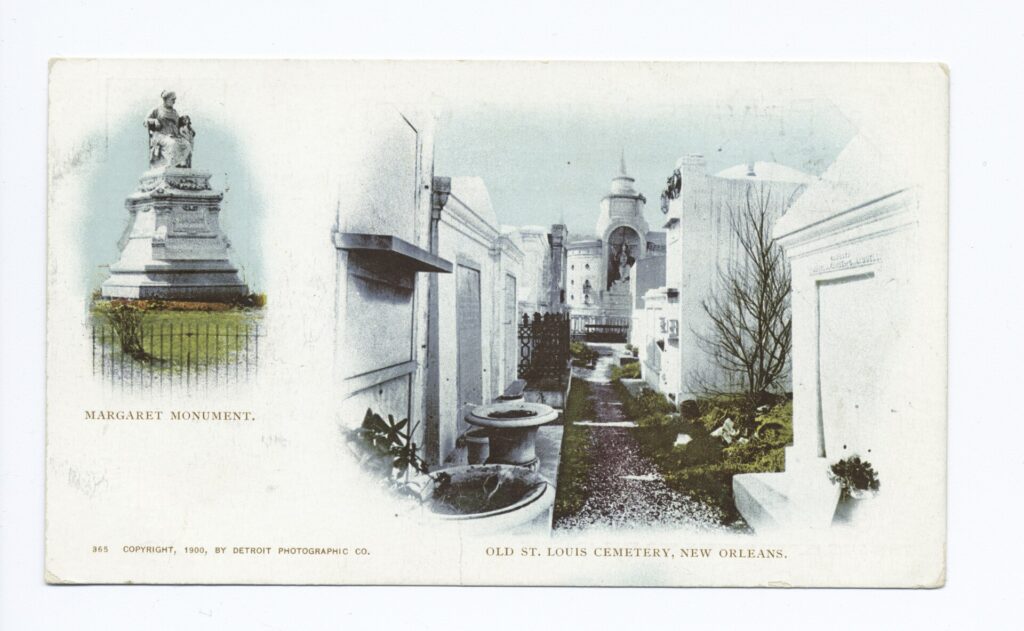
New Orleans doesn’t so much bury its dead as house them. Its tall tombs stand above ground, crowded together like little houses, which is why its cemeteries are called cities of the dead. Most people will tell you the dead go above ground because of the high water table, but historians call that a myth. The archdiocese that runs St. Louis Cemetery No. 1 says the main reason is the city’s French and Spanish heritage.

After dark, the cemeteries are where many ghost tours take their groups. Some stop at the gates, and New Orleans Ghost Adventures takes its bus inside an above-ground cemetery at night.
Voodoo

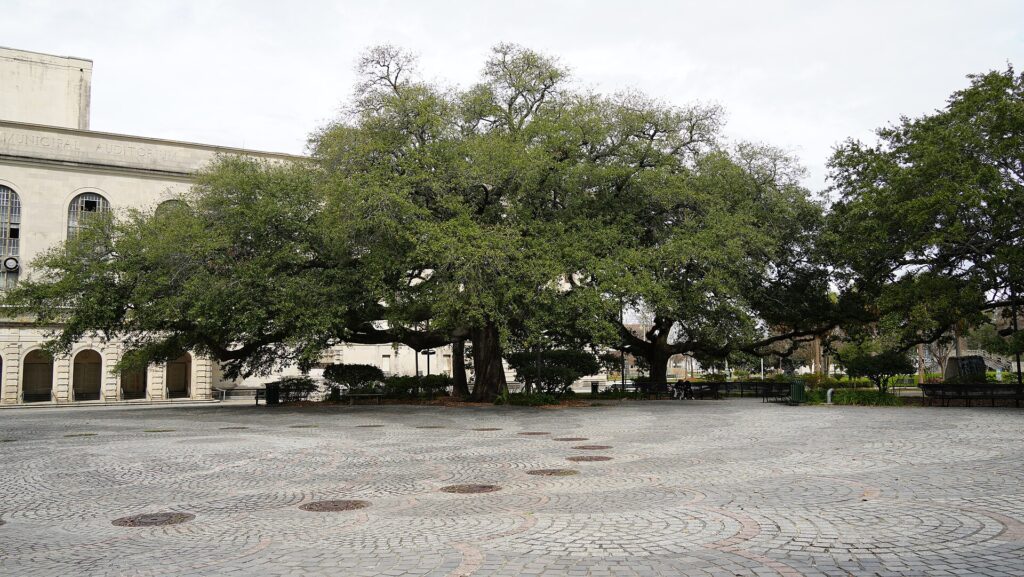
Voodoo (Voudou, in the older spelling) blends African religious and magical beliefs with Roman Catholicism. It took root here in the 1700s, when enslaved West Africans, taught the Catholic faith, found familiar figures in the Virgin Mary and the saints. Its charms, called gris-gris, were taken seriously: in 1773, several enslaved people were tried for plotting to kill their master with gris-gris. Some of its rituals called for human remains and “graveyard dust.” In 1809, nearly 10,000 refugees from the revolution that created Haiti arrived and brought their own Vodou with them.

On Sunday afternoons, enslaved Africans gathered in Congo Square to drum, sing, and dance, honoring the beliefs that informed Voudou. The rhythms played there are found at the core of early New Orleans jazz.

The most famous of the Voodoo queens was Marie Laveau, a free woman of color and a lifelong Catholic who held weekly ceremonies at her home on St. Ann Street. She is credited with leading the St. John’s Eve celebration on the shore of Lake Pontchartrain every June 23, with bonfires, drumming, singing, dancing, ritual bathing, and a communal feast. The night falls at the summer solstice, which pre-Christian Europe believed was a time when the human world and the spirit world meet.

Writer Robert Tallant’s 1946 book Voodoo in New Orleans describes one of those nights “near the spot where Bayou Tchoupitoulas met Lake Pontchartrain.” About 300 people filled a cauldron with water, black pepper, and “a snake cut into three pieces,” then added a live black rooster and “a cat whose throat Marie Laveau personally slit.” Everyone disrobed while she put powders into the pot. “At twelve o’clock all hands raced into the lake.” Historian Carolyn Morrow Long calls the book “a sensationalistic view of Marie Laveau and Voudou,” but it’s easy to see how nights like that one fed the city’s ghost lore.

Many of the city’s ghost tours fold Voodoo into the night’s stories, but Voudou isn’t just a story here. Real congregations still meet in New Orleans.
Epidemics

Disease made New Orleans a city of the dead in the plainest sense. Cholera, a bacterial infection of the intestine, arrived in 1832 and killed an estimated 5,000 people in two weeks, close to 10 percent of the city. Across its four rounds in the 19th century, it took more than 17,000.

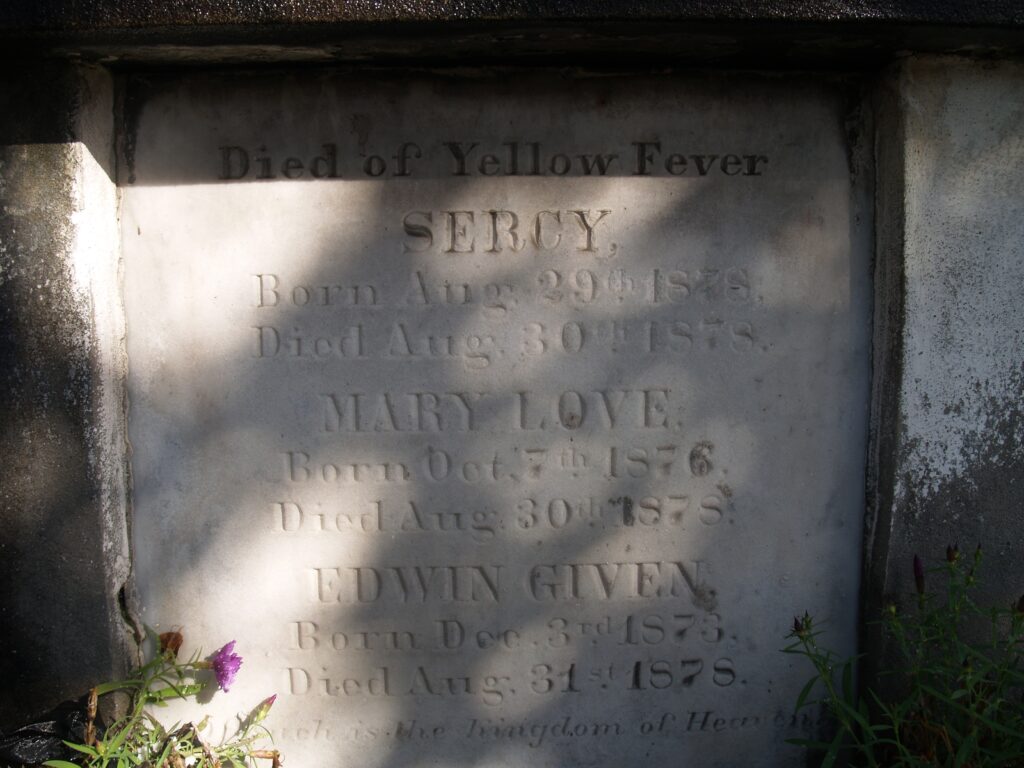
Yellow fever was worse. It struck New Orleans in 67 summers between 1800 and 1900, and because it killed so many immigrants and newcomers, people called it the “stranger’s disease.” In 1853, the worst year, about 8,000 people died. On a single day that August, 230 deaths were reported, and newspapers named it the “Black Day.” A sanitary commission’s report the next year called New Orleans “the sickliest city in the Union.”

The fever still turns up in the city’s ghost stories. Upriver at Destrehan Plantation, visitors have described seeing Lydia, a 17-year-old who died of yellow fever in the house in the 1800s. Her younger brother died of it too, at nine.
Slavery

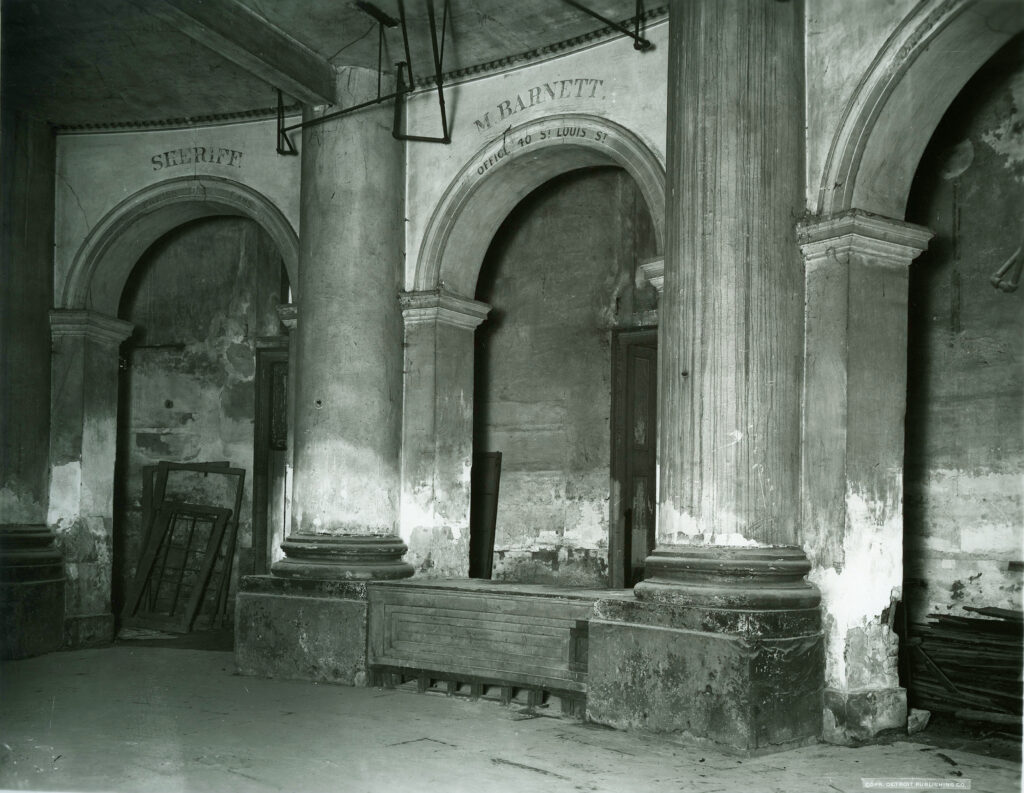
The cruelest part of the city’s history is slavery. After the United States banned the international slave trade in 1808, selling enslaved people within the country stayed legal, and New Orleans became the center of that trade. Historian Erin Greenwald of The Historic New Orleans Collection calls it “the largest slave market in America during the antebellum period.” People were bought and sold under the domed rotunda of the St. Louis Hotel, where the Omni Royal Orleans stands today. By 1840, more than 23,000 enslaved people lived in the city, nearly a quarter of everyone there.
Solomon Northup saw that market from the inside. Born free in New York, he was kidnapped in the nation’s capital in 1841 and shipped to a New Orleans slave pen run by a trader named Theophilus Freeman. There, the people waiting to be sold were “paraded and made to dance” for buyers while Northup played the violin. He watched a mother named Eliza sold away from her little girl, Emily, and wrote that “never have I seen such an exhibition of intense, unmeasured, and unbounded grief.” His 1853 memoir, Twelve Years a Slave, became the film that won the Oscar for Best Picture in 2014.

In January 1811, enslaved people on the sugar plantations upriver rose up in the largest slave revolt in United States history. Drummers beat time as they marched toward the city, chanting “on to Orleans!” General Wade Hampton took command of the force sent against them, the first time federal troops were used to put down a slave revolt in the United States. By January 12, he could write to Governor Claiborne from Destrehan’s plantation that “the chiefs of the party are taken.” About 75 rebels faced tribunals, and the one at Destrehan sentenced 21 of them to death by firing squad. Close to 100 died in all. To scare off any more uprisings, white residents set the heads of the dead on poles along more than 30 miles of levee, up to the gates of New Orleans.

A night tour at Destrehan now tells the story of the 1811 revolt alongside the ghost stories of the house. One of the city’s most famous ghost stories came out of the same trade, at the LaLaurie Mansion on Royal Street.

Fire and Flood

Fire took the old town twice in the 1700s, and it came back for the French Quarter in 1973. On June 24 of that year, someone poured lighter fluid on the stairs of the UpStairs Lounge, a gay bar on a second floor, and set them alight. The stairs were the only way in or out. The fire killed 32 people, the deadliest on record in New Orleans.

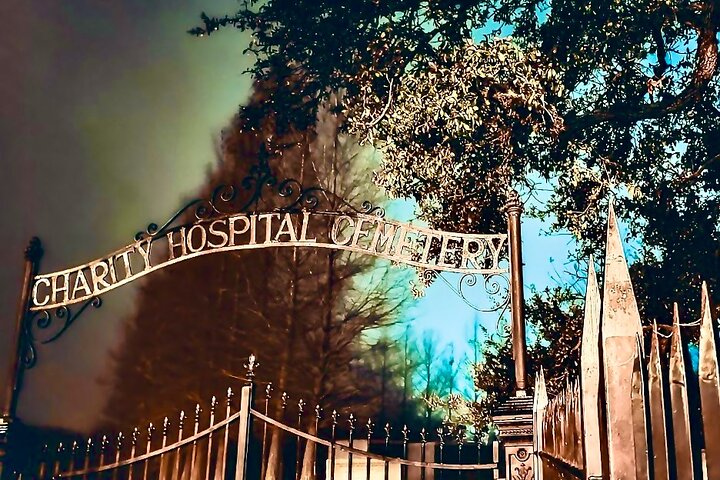
Water did worse. When Hurricane Katrina hit in 2005, the levees broke and left about 80 percent of the city underwater. A year later, Louisiana had counted 1,464 dead. At Charity Hospital, floodwaters trapped doctors and patients inside its dark halls for days, and it never reopened as a hospital. Sidney Smith, who founded Haunted History Tours, says people swear they’ve “heard footsteps or seen apparitions” in the empty building. On his last visit, he “could have sworn I heard the distant sound of laughter and crying.”

The ghost stories started before the water was gone. Less than three weeks after the storm, CBS 5 in San Francisco reported that the soldiers using Sophie B. Wright Middle School as a base had the feeling they weren’t alone. Sgt. Robin Hairston of the California National Guard woke in a sleeping bag to see “a little girl” in the doorway. “It wasn’t my imagination,” Hairston said. One chaplain went as far as commanding Satan “to leave the dark areas of this building.”

People and Lore

Person

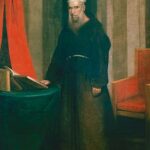
Père Antoine

Perhaps the most famous ghost associated with the St. Louis Cathedral.

Places

Haunted Places in New Orleans

19 places, including 4 you can stay in

House

LaLaurie Mansion

On April 10, 1834, a fire at Delphine LaLaurie's Royal Street mansion revealed seven enslaved people who had been starved, tortured, and chained. By 1889, the writer George Washington Cable was calling it "The Haunted House in Royal Street."

Cemetery

St. Louis Cemetery No. 1

Archival records place Voodoo queen Marie Laveau in her family's tomb in St. Louis Cemetery No. 1, the city's oldest. Devotees began bringing her offerings and petitions there almost as soon as she died in 1881.

Church

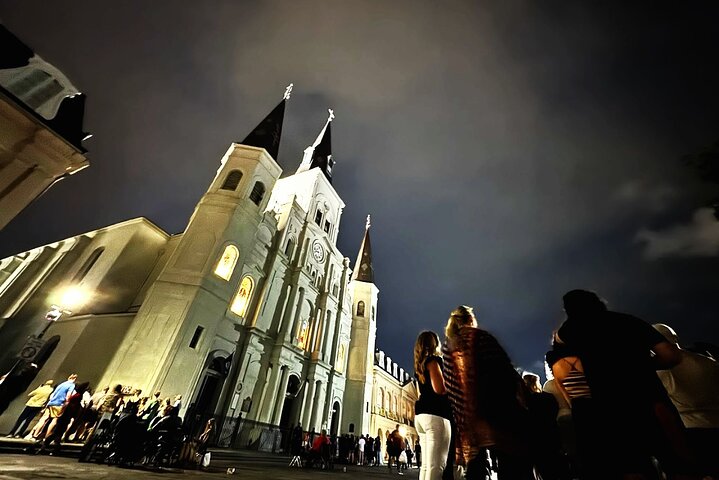
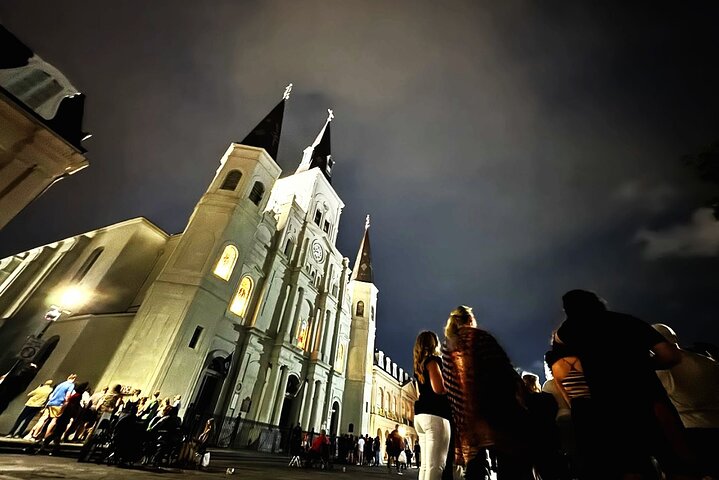
St. Louis Cathedral

The priest Père Antoine wrote that fire engulfed the church before this cathedral "in less than half an hour" on March 21, 1788. Guides tell of his ghost humming hymns in the alley that carries his name.

Church

Old Ursuline Convent

The Ursuline nuns finished this convent in 1752. Legend has it the shutters on its third floor were nailed shut to keep in vampires, carried to New Orleans in the trunks of the "casket girls."

Bar

Lafitte’s Blacksmith Shop Bar

By tradition, the pirate Jean Lafitte and his brother Pierre posed as blacksmiths in this late-1700s cottage to cover their illegal trade in enslaved people. Ghost tours tell of bartenders and patrons spotting Jean at a table near the piano bar.

Bar

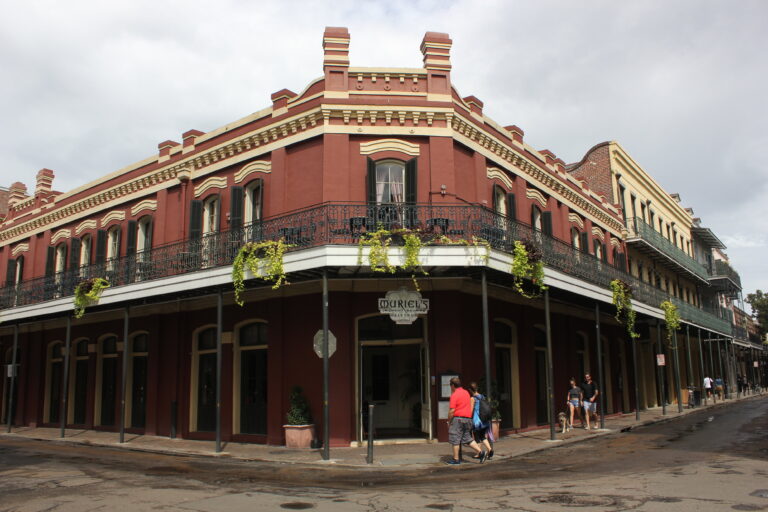
Muriel’s Jackson Square

Muriel's says Pierre Jourdan rebuilt this house after the fire of 1788, then lost it in a poker game in 1814 and took his own life upstairs. The restaurant keeps a table reserved for him, set with bread and wine.

Museum

New Orleans Pharmacy Museum

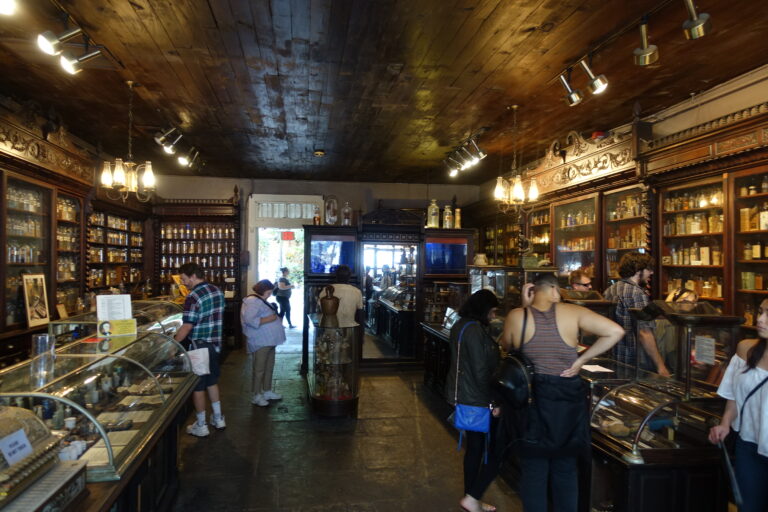
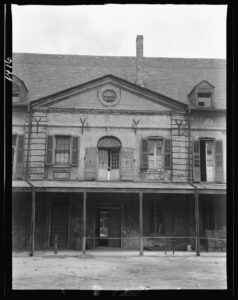
Louis Dufilho Jr., whom the museum calls America's first licensed pharmacist, had this shop built in 1822 and 1823. The stories make its ghost Dr. James Dupas, whose family bought it in 1855: a short man in a brown suit who throws books.

Museum

Old U.S. Mint

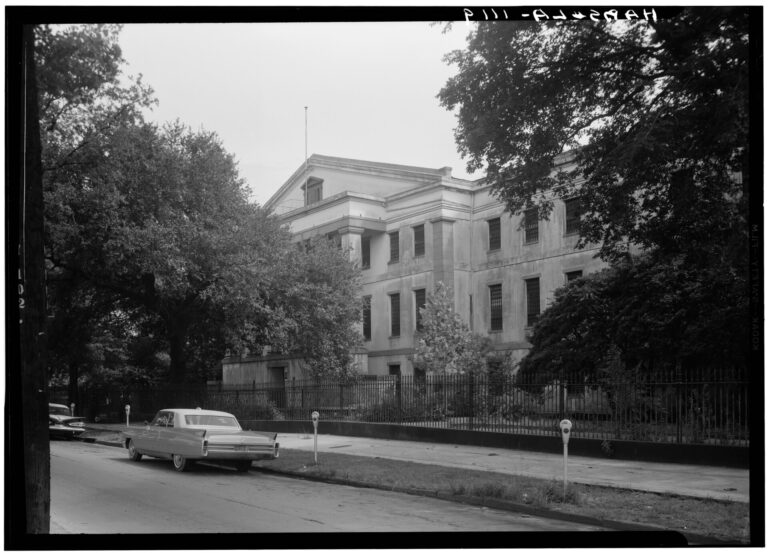
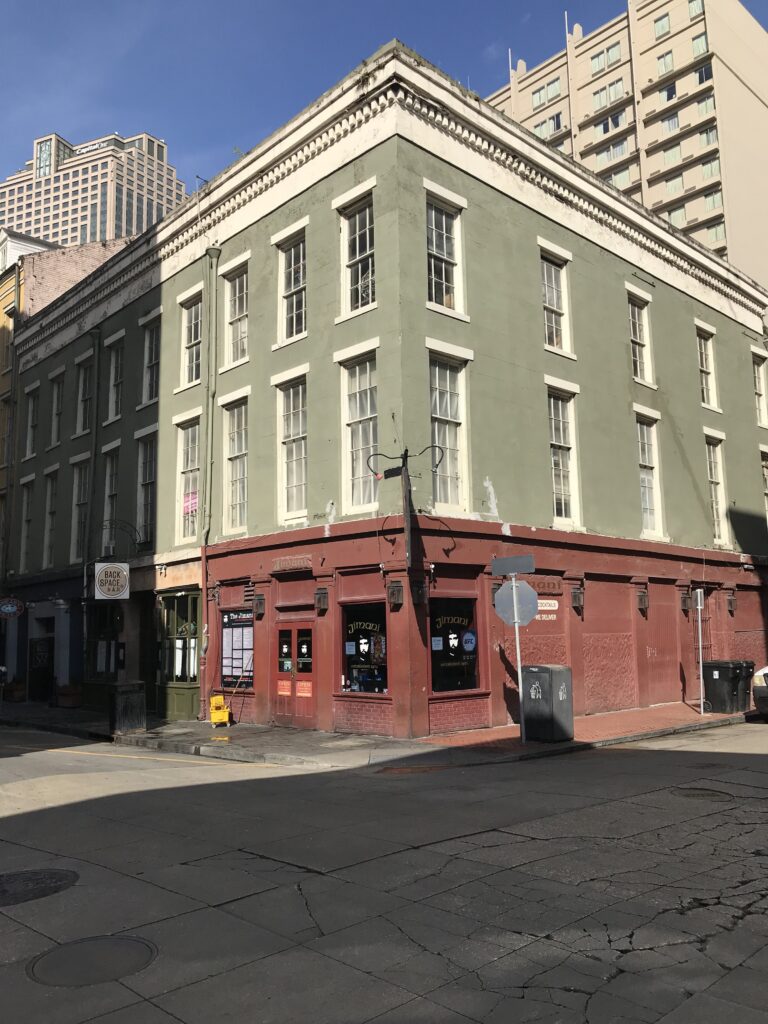
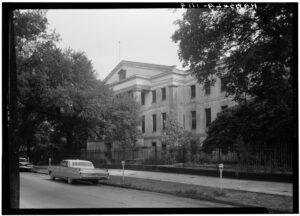
Louisiana seized the U.S. Mint in January 1861, and the Confederacy minted some coins here. Jimmie Jackson guards the building for the Louisiana State Museum and says its spirits have visited him for years.

House

Beauregard-Keyes House

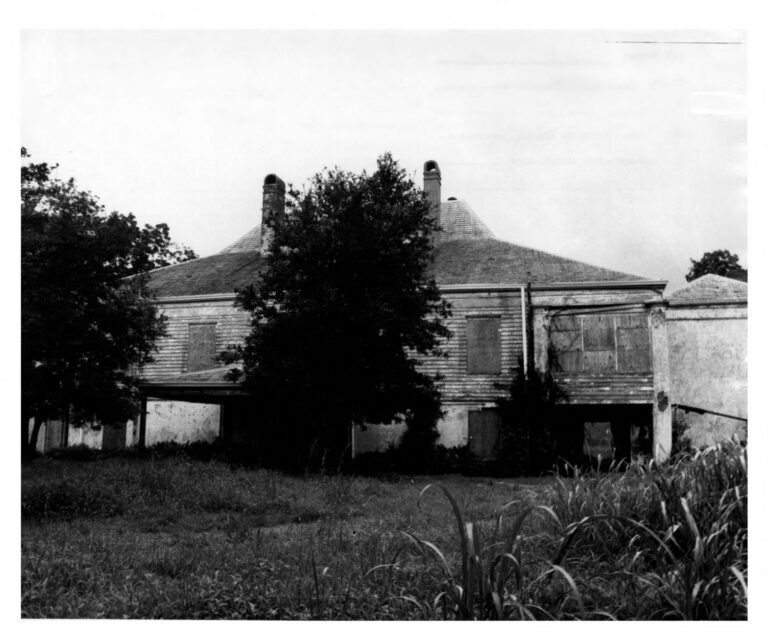
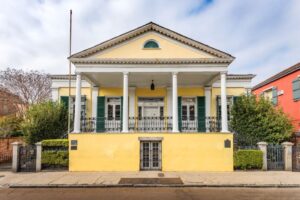
In the early hours of June 17, 1908, a wine merchant and his son shot three Black Hand blackmailers dead on this house's back gallery. Writer Michael Kleen says passersby have heard gunshots and shouting outside at night.

Bar

UpStairs Lounge

An arson fire at the UpStairs Lounge gay bar killed 32 people on June 24, 1973, the deadliest fire on record in New Orleans. In 2012, the TV series Ghost Hunters came looking for their ghosts.

House

Gardette-LePretre Mansion

Ghost tours call this the "Sultan's Palace" after a legend printed in 1922 about a sultan and five women of his harem murdered here in 1792. The house wasn't built until 1836.

Bar

May Baily’s Place

The Dauphine Orleans Hotel says its bar was once May Baily's bordello, and that the ghost of a bride seen there is May's sister, Millie. Ghost Adventures investigated the bar in 2013.

Theater

Le Petit Théâtre du Vieux Carré

Le Petit Théâtre has been at 616 St. Peter Street, just off Jackson Square, since 1922. Technical director John Grimsley once saw a man in a captain's hat sitting alone in the balcony, and when Grimsley looked again, the man had vanished.

Restaurant

Brennan’s

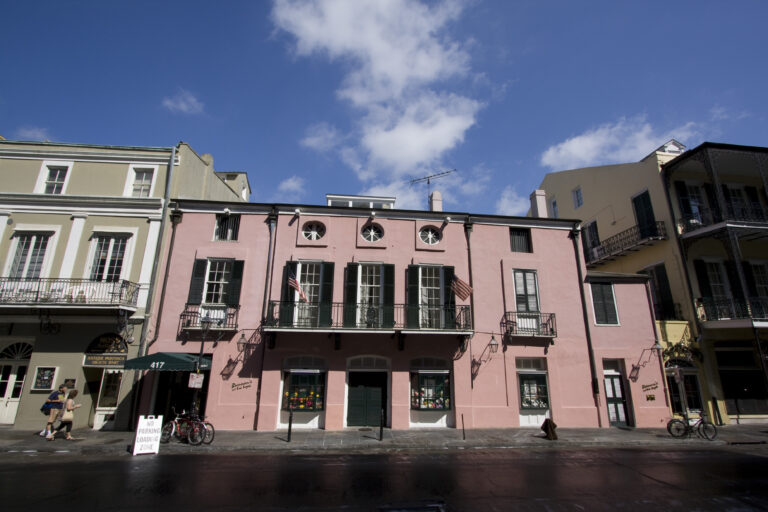
In 1956, Brennan's moved into this pink 1795 building, once the home of chess master Paul Morphy. In 2005, a Ghost Hunters team found no spiritual activity in its Red Room, known as "the haunted dining room."

Museum

Destrehan Plantation

Established in 1787, Destrehan is the oldest documented plantation in the lower Mississippi Valley. Executive director Tracy Smith says she was skeptical of the ghost stories at first, but "I guess you could say I'm a believer at this point."

Hotel

Bourbon Orleans Hotel

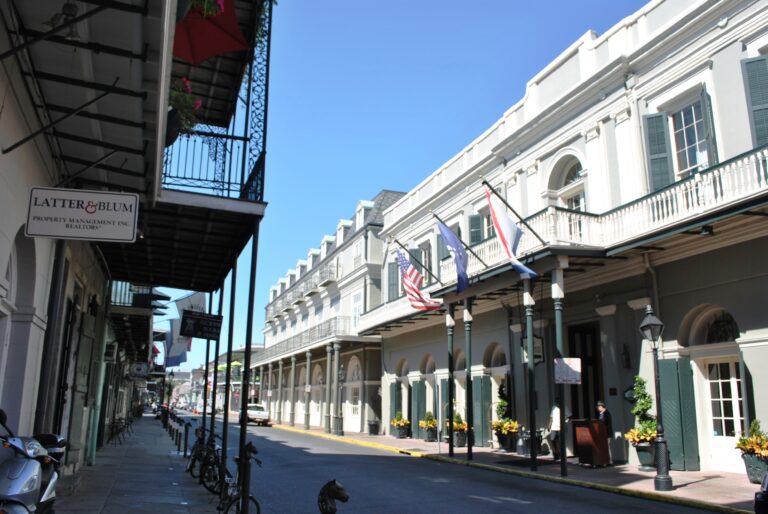
The hotel's Orleans Ballroom dates to 1817, and from 1881, it was a convent of the Sisters of the Holy Family. The hotel tells of a lone dancer in the ballroom and a little girl rolling her ball down the sixth-floor halls.

Hotel

Hotel Monteleone

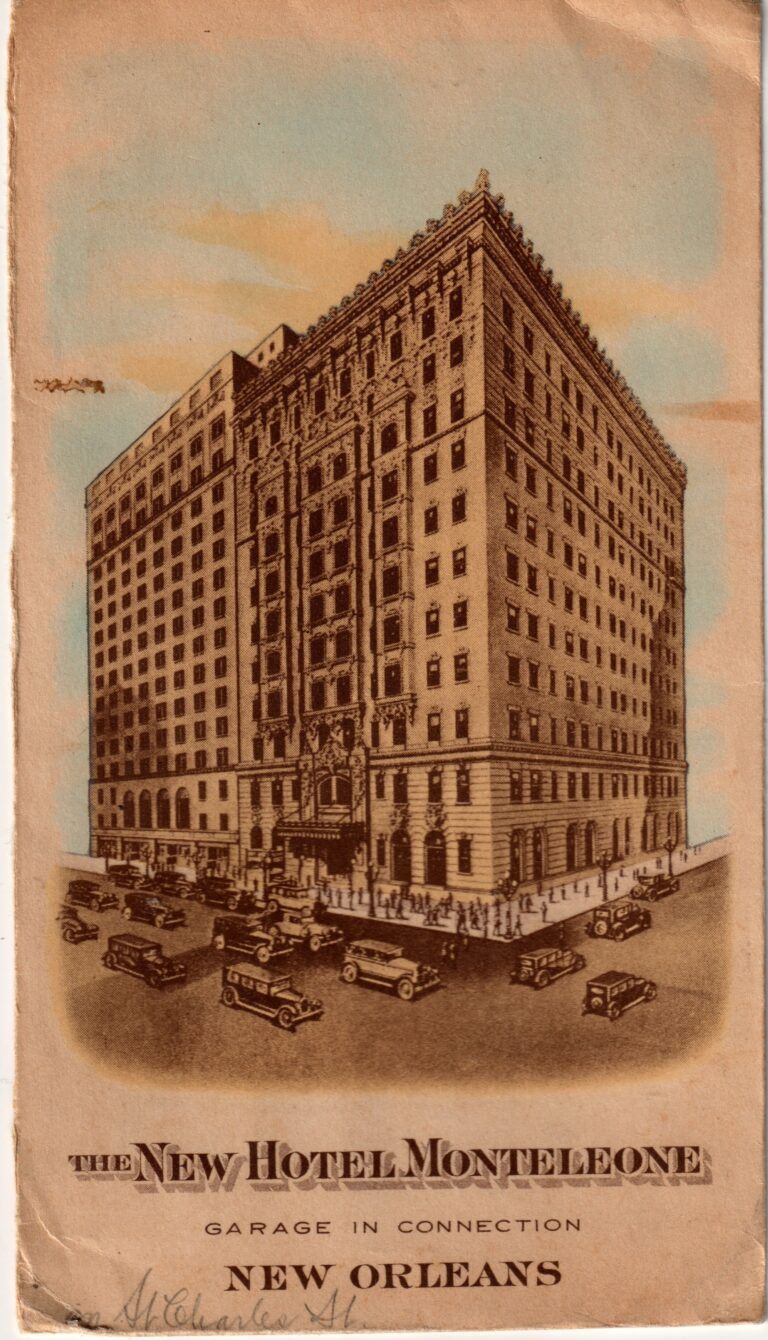
Sicilian cobbler Antonio Monteleone bought a hotel on Royal Street in 1886, and his family still runs it. The hotel says guests have seen a toddler named Maurice Begere near the room where he died.

Hotel

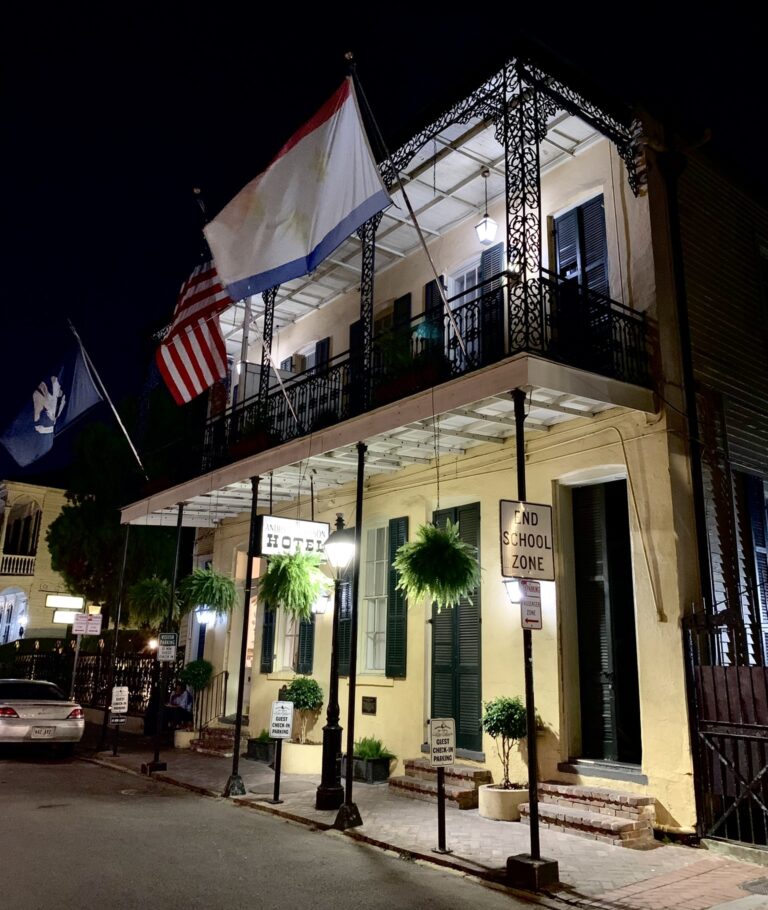
Andrew Jackson Hotel

Andrew Jackson won the Battle of New Orleans in January 1815 and two months later was fined $1,000 for contempt of court in a federal courthouse on this site. New Orleans TV station FOX 8 calls the hotel one of the city's most haunted.

Hotel

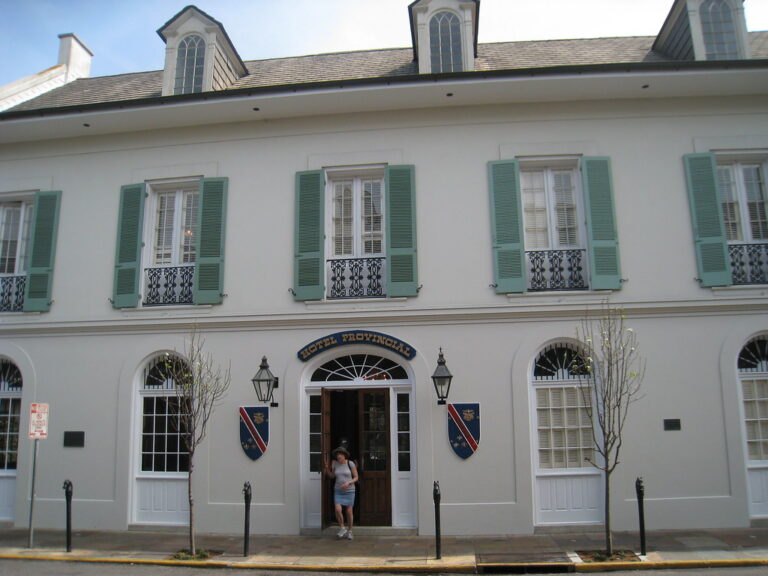
Hotel Provincial

Hotel Provincial says its land held a military hospital as early as 1722 and again during the Civil War. The travel guide Time Out reports that a Civil War soldier from those days is believed to haunt the hotel.

Dig deeper

Ghost Tours in New Orleans

21 tours

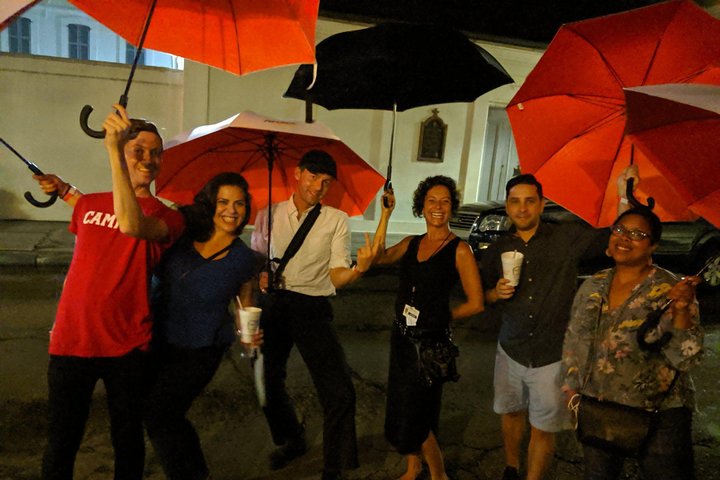
Most of the city’s ghost tours walk the French Quarter after dark, some with Voodoo and vampire lore or a bar or two along the way. Others take a bus out to the cemeteries, ride through the Quarter in a mule-drawn carriage, or tour Destrehan Plantation at night. Ratings combine Viator and Tripadvisor reviews.

See all 21 ghost tours in New Orleans

Investigations

1 video

Portals to Hell Crew

LaLaurie Mansion

Jack and Katrina head down to the Big Easy to perform the first-ever paranormal investigation of the infamous LaLaurie Mansion, said to be haunted.

Books

1 book

As an Amazon Associate, we earn from qualifying purchases. How that works

Quick Answers

5 questions
What happened at the LaLaurie Mansion?

On April 10, 1834, a fire at Delphine LaLaurie‘s mansion on Royal Street exposed seven enslaved people kept in chains. The mansion is a private home, so see it from the sidewalk.

Can you visit Marie Laveau's tomb?

Only with a guide. The Archdiocese of New Orleans allows tours of St. Louis Cemetery No. 1 only through Cemetery Tours New Orleans. Relatives of those buried there get in with a family pass.

Is there a haunted hotel in New Orleans?

Several. At the Bourbon Orleans Hotel, the old ballroom and Room 644 are said to be the most haunted rooms.

Why are New Orleans graves above ground?

The usual answer is the high water table, but the Archdiocese of New Orleans, which runs St. Louis Cemetery No. 1, says the main reason is the city’s French and Spanish heritage.

Is there a haunted restaurant in New Orleans?

Yes. Muriel’s Jackson Square keeps a table for its ghost, Pierre Jourdan. Ask, and staff will show you the table and the séance rooms upstairs.

Visit

Visiting New Orleans

  • Worth knowing: Since vandalism at Marie Laveau’s tomb, the Archdiocese of New Orleans has let visitors into St. Louis Cemetery No. 1 only on approved tours. If the tomb is on your list, plan a guided visit.

Contributors

Spookt Logo
Sources (30)

The Historic New Orleans Collection

New Orleans History 101; How the Fires of 1788 and 1794 Changed New Orleans; the Yellow Fever Sanitary Commission Report; and TriPod: New Orleans at 300, its history series with WWNO (The Cemetery Under the French Quarter; Sighting the Sites of the New Orleans Slave Trade; Wine and Blood at the Beauregard-Keyes House)

64 Parishes

Louisiana's online encyclopedia: Yellow Fever in Louisiana (Laura D. Kelley), Cholera in Louisiana, Hurricane Katrina, The Up Stairs Lounge Fire (Robert W. Fieseler), St. Louis Cemeteries No. 1, No. 2, and No. 3 (Karen Kingsley), Urban Slavery in Antebellum Louisiana, German Coast Slave Insurrection of 1811 (Robert L. Paquette), Slave Insurrections in Louisiana, Destrehan Plantation, Congo Square, Marie Laveau, Voudou and Delphine Lalaurie (Carolyn Morrow Long), Jean-Baptiste Le Moyne, Sieur de Bienville, St. Louis Cathedral (Ann Masson), Civil War Louisiana, and the Cabildo

St. Louis Cemetery No. 1

New Orleans Catholic Cemeteries

New Orleans Historical

The Ancestors: Marie Laveau's Tomb; Former Home of Judge Francois-Xavier Martin (the courthouse where Andrew Jackson was fined)

America's Historical Newspapers

The New-Bedford Mercury of May 2, 1834 (reprinting the New Orleans Mercantile Advertiser and the Bee); the Commercial Advertiser (New York) of February 14, 1811 (General Hampton's letter)

Chronicling America

loc.gov

Library of Congress: the Weekly Pioneer and Democrat (St. Paul) of June 27, 1862, reprinting a New Orleans report; the Donaldsonville Chief of June 20, 1908, and the Thibodaux Sentinel of June 26, 1908

The New York Times, June 23, 1881, p. 2

ProQuest Historical Newspapers

Project Gutenberg

Harriet Martineau, Retrospect of Western Travel, vol. 1 (1838); Solomon Northup, Twelve Years a Slave (1853)

The 86th Academy Awards, 2014

Academy of Motion Picture Arts and Sciences

Voodoo in New Orleans

Lake Forest College, quoting Robert Tallant, Voodoo in New Orleans (1946)

Witnesses report ghost sightings, paranormal activity at Destrehan Plantation

St. Charles Herald-Guide, the St. Charles Parish newspaper

The most paranormally active city in America

Tulane News · Ryan Rivet, 2013

Solo tourists banned in New Orleans' oldest cemetery

Associated Press, via the Post Bulletin

Atlas Obscura

Séance Room at Muriel's Jackson Square; Marie Laveau's Tomb

Michael Kleen

Do Tortured Dead Stalk the Beauregard-Keyes House? (2017, quoting Victor C. Klein, New Orleans Ghosts, 1993); Voodoo, Villains, and Visions: The Unique Hauntings of New Orleans (2025)

The Haunted South

Alan Brown, 2020 (read on Perlego)

The Eerie Echoes of Charity Hospital

Haunted History Tours · Sidney Smith

Guardsmen Sense Ghostly Presence In New Orleans

CBS 5 (San Francisco) · Janet Yee, September 16, 2005, via the Internet Archive

Old Haunts

New Orleans Magazine

The Advocate

French Quarter hotel hosts paranormal party, complete with séance (the Bourbon Orleans' Room 644)

New Orleans Ghost Stories

City Archives & Special Collections, New Orleans Public Library, 2025

NOLA.com

The Times-Picayune: Lafitte's Blacksmith Shop: A New Orleans pirate story; Mike Scott, A lot to unpack: How 1720s French 'casket girls' brought vampires to the Ursuline Convent (2022)

Our Ghost

Muriel's Jackson Square · Denise Gratia

Detailed History

Bourbon Orleans Hotel