
Spookt’s Guide to

Haunted San Francisco, California

San Francisco paved over a fleet of abandoned ships and rebuilt itself after the fires. Then it evicted its dead, and thousands refused to leave.

San Francisco sent nearly 150,000 of its dead to Colma, left 10,000 or more under Lincoln Park, and keeps its best-known ghosts on Alcatraz and beside a lake in Golden Gate Park.

All 7 ghost tours in San Francisco

Book through our links and Spookt gets a small cut, at no extra cost to you. It keeps the research going. How that works

Famous Hauntings

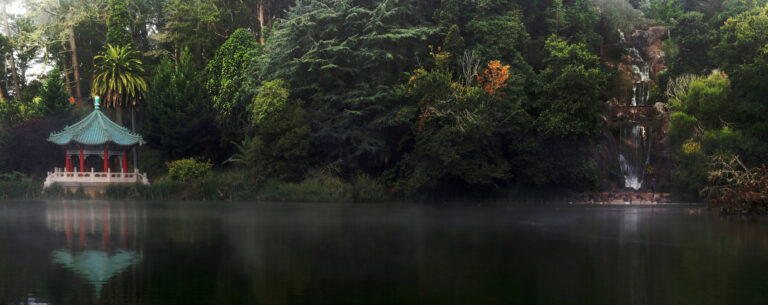
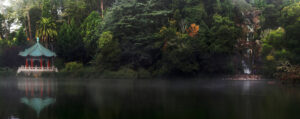
The White Lady of Stow Lake

On January 6, 1908, the front page of the Chronicle reported that police had stopped a motorist named Arthur Pigeon speeding through Golden Gate Park. He told them a figure “clad in a luminous white robe” had blocked his car. The legend that grew up at Stow Lake is a sadder one. A mother turned away to talk, KQED tells it, and her baby’s stroller rolled into the water. SFGate says people have reported a distressed woman in white on the shore on foggy nights for a century.

Place: Stow Lake

Cell 14-D

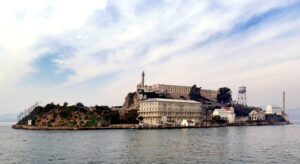
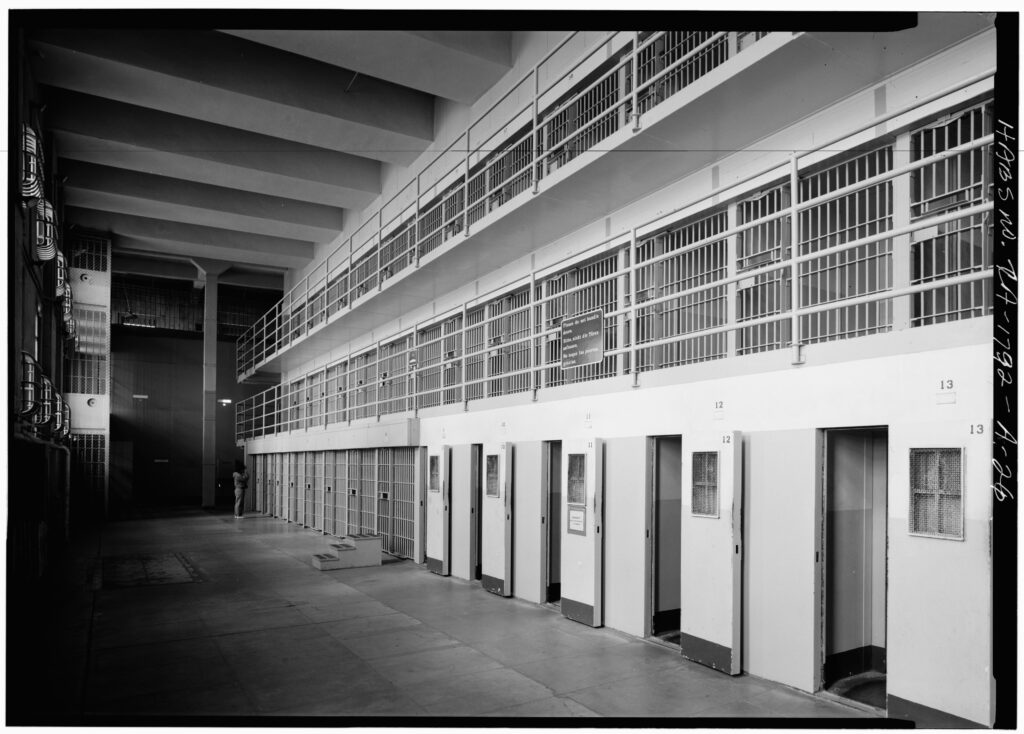
Alcatraz was a federal penitentiary for 29 years. In May 1946, six inmates tried to shoot their way out, and by the time the Marines were called in, two officers and three of the six were dead, according to the Bureau of Prisons. The ghost stories settle on D Block. Legends of America calls cells 12 and 14-D “the most active” and says 14-D runs almost 20 degrees colder than the rest of the block.

Place: Alcatraz Island

Room 1219

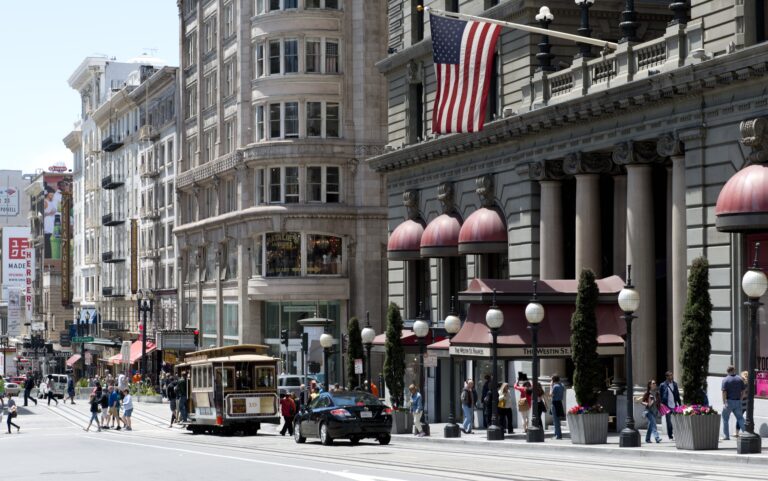
On Labor Day 1921, silent-film star Roscoe “Fatty” Arbuckle rented rooms 1219, 1220, and 1221 at the St. Francis for a party. A young actress named Virginia Rappe suffered a ruptured bladder there and died shortly afterward, KQED recounts, and Arbuckle’s final jury acquitted him. In 1950, Al Jolson played gin rummy in the same suite, complained of chest pains, and died there that night. Local ghost tours count three ghosts on the 12th floor.

Place: Westin St. Francis

The Box Office Ghost

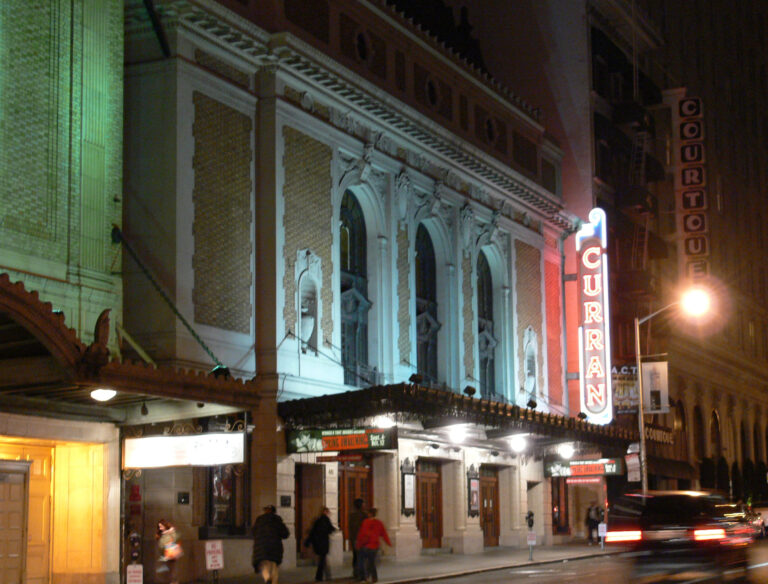
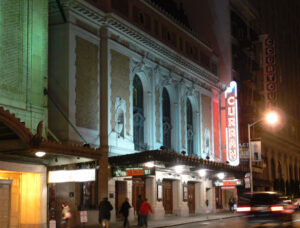
In November 1933, with crowds lining up for Show Boat, a man pushed a revolver through the Curran Theatre’s ticket window and shot treasurer Hewlett Tarr in the chest. Tarr died five minutes later, SF Weekly reports, and his killer was hanged at San Quentin in 1935. Tess Collins, who had managed the Curran for 20 years, told SFGate in 2004 that patrons keep seeing a handsome young man in 1930s clothes in the big lobby mirror.

Place: Curran Theatre

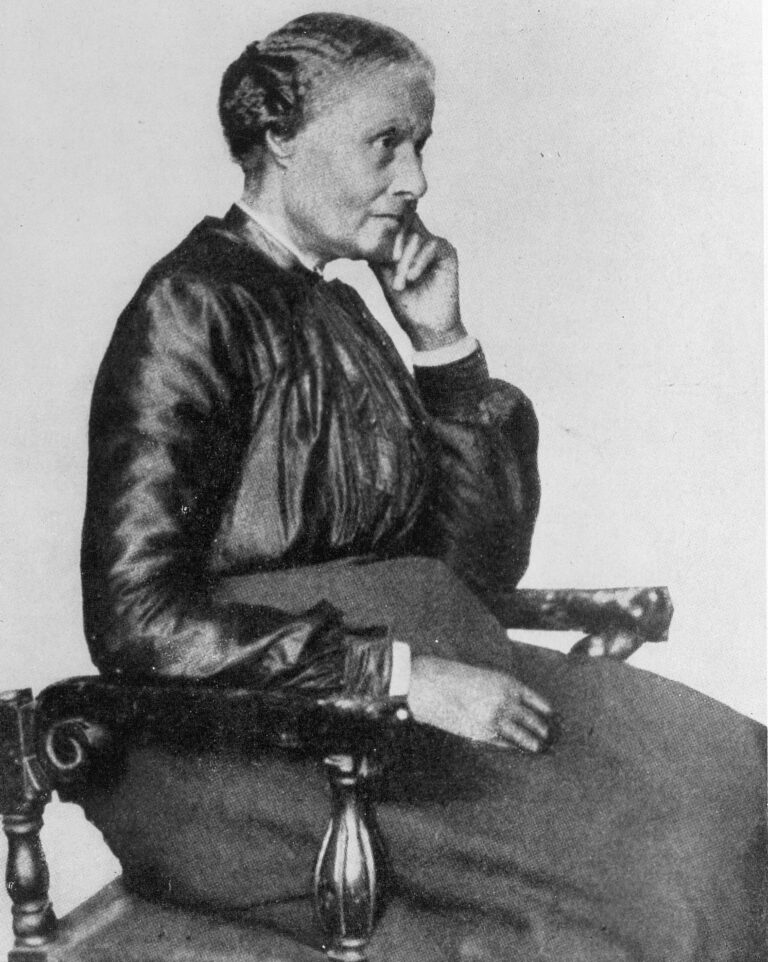
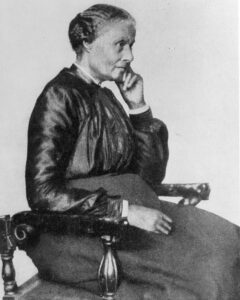
Mary Ellen Pleasant's Trees

Mary Ellen Pleasant was an abolitionist whose financial success, the National Park Service says, rivaled the robber barons’. Thomas Bell, who shared her mansion on Octavia Street, died there in a fall over a stair rail that the coroner ruled an accident. Stories that she was a voodoo sorcerer have followed her ever since, and SFGate calls them untrue. The mansion is gone, but the eucalyptus trees she planted still stand. Guide Christian Cagigal tells his tour groups that her spirit frightens dogs and throws nuts from the trees at passersby.

Place: Mary Ellen Pleasant Memorial Park

History

San Francisco has a habit of burying things and building on top of them. It did it with ships, with a burned-out city, and with its own dead.

A Fort and a Mission

The city began in 1776 as a Spanish fort and a mission. The land belonged to the Yelamu, a tribe of the Ramaytush Ohlone, who are still here. The National Park Service says colonization brought new diseases and mission communities meant to replace tribal life. Mission Dolores shows the cost. About 200 headstones stand in its cemetery, but the local history archive FoundSF counts some 10,000 burials there, about 5,000 of them Native people.

Gold, Ships, and Landfill

In January 1847, the settlement on Yerba Buena Cove took the name San Francisco. It had a few hundred people. Then gold turned up on the American River, and KQED puts the population near 25,000 in 1849 and 36,000 by 1852.

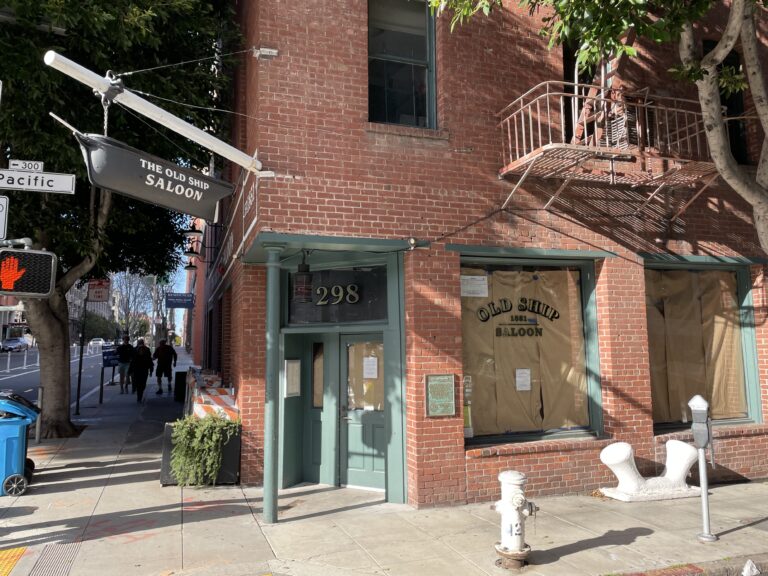
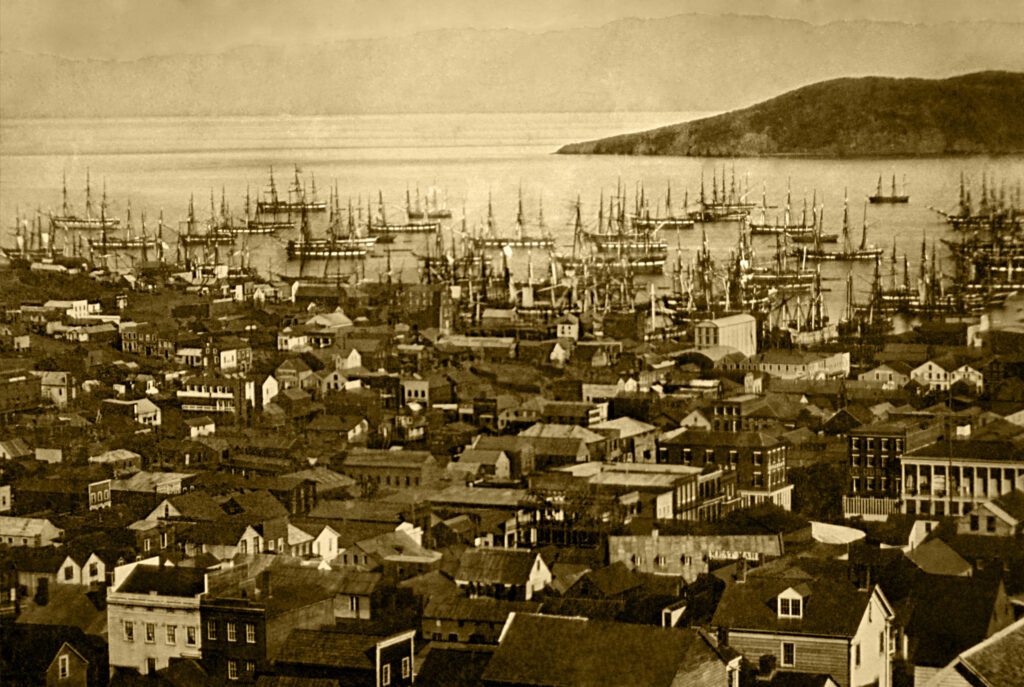
They came by sea, and many of the ships never left. Passengers and crews deserted for the gold fields. By 1850, more than a thousand vessels crowded the cove, a sight the National Park Service says was described as a “forest of masts.” The city filled in the shallows around them to make more land. The hulls were buried where they sat, and downtown San Francisco stands on top of them. One of those ships, the Arkansas, became a saloon, and a bar called the Old Ship Saloon still stands on the spot.
Fires, Vigilantes, and the Barbary Coast

The boomtown kept burning. SFGate counts six disastrous fires by 1851, and FoundSF says the one on May 3 of that year took almost 2,000 buildings. Crime kept pace. One historian counted 1,200 homicides between 1849 and the mid-1850s, SFGate reports. Businessmen formed a Committee of Vigilance that hanged four men in 1851. A second committee hanged four more in 1856, a city supervisor among them.

The vice district along Pacific Street got a name in the 1860s: the Barbary Coast. A writer in 1876 called it “the haunt of the low and the vile of every kind.” On its waterfront blocks, a sailor could be shanghaied, which meant being forced aboard an outbound ship as crew while the men who delivered him collected a fee.

Chinatown

Chinatown had about 21,000 residents by 1890, and a trade in trafficked girls ran through it. Rescued girls told an investigating commission they had been sold for $2,000 to $3,000 apiece, according to FoundSF. In March 1900, bubonic plague was identified in the neighborhood. The city quarantined Chinatown the next day, and the governor spent two years denying there was an outbreak. By 1905, SFGate reports, 113 people had died, almost all of them in Chinatown.

April 18, 1906

At 5:12 a.m. on April 18, 1906, the ground shook for more than 40 seconds. Gas mains broke and started fires, the pipeline that carried water into the city was cut, and San Francisco burned for three days. The US Geological Survey counts 225,000 people left homeless.
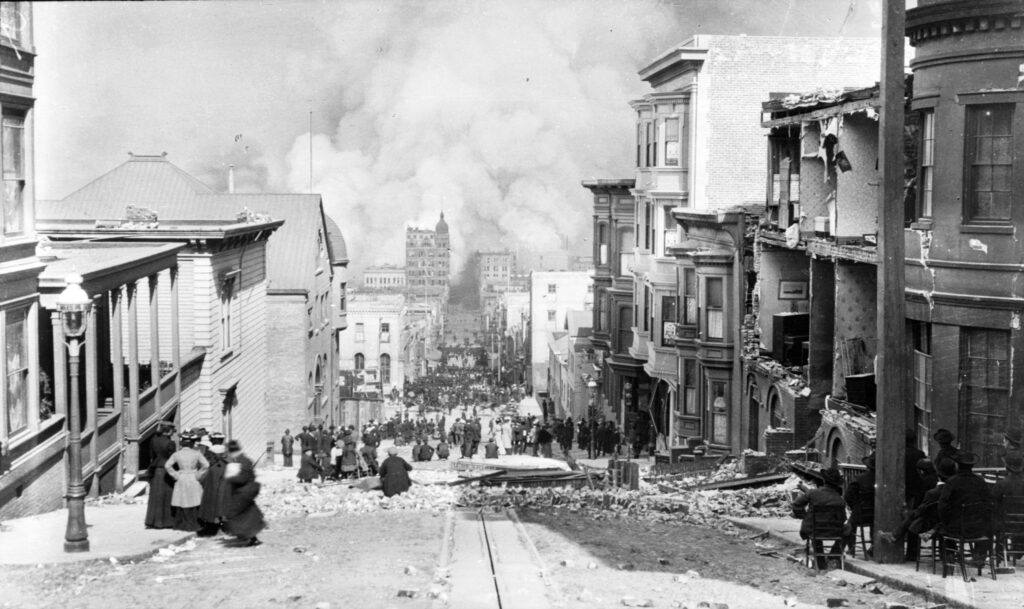
The official death list stopped at 478. City archivist Gladys Hansen’s research put the toll between 3,000 and 4,000. She argued that city leaders had hidden the real number because it was bad for business. The Geological Survey now says at least 3,000.

Why Is San Francisco Haunted?

SFGate once wrote that it’s “no surprise that San Francisco, with its wild and tawdry history, has long been a hotbed of ghostly activity.” The history is wild enough. The stranger part is what the city did with its dead.

The City That Evicted Its Dead

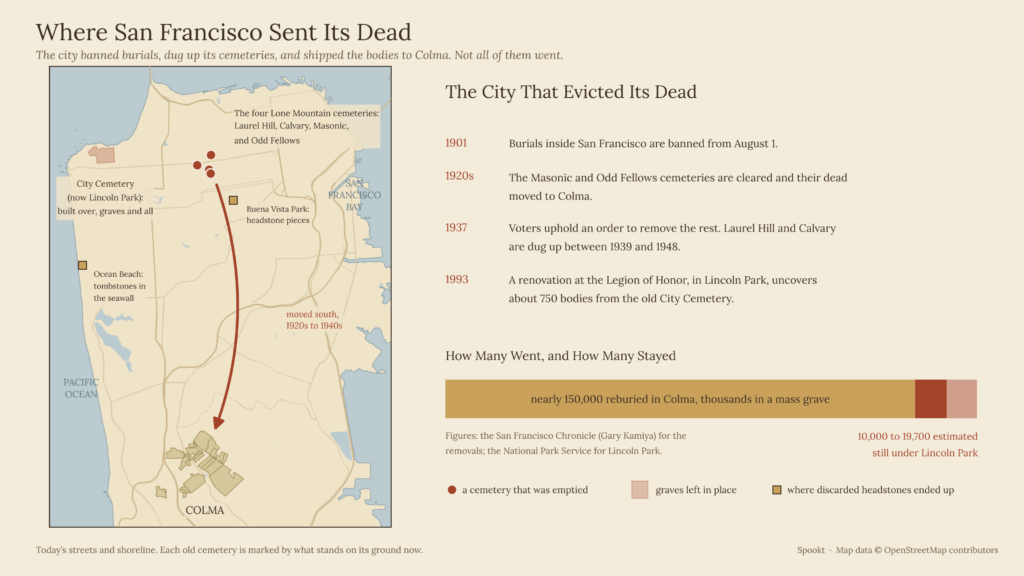
Burials inside San Francisco were banned from August 1, 1901. Voters threw out a first order to dig up the cemeteries. In 1937, the supervisors ordered the bodies removed again, and this time the voters agreed. Nearly 150,000 people were dug up and reburied in Colma, Gary Kamiya wrote in the San Francisco Chronicle, thousands of them in a mass grave. Colma had been incorporated in 1924 by its cemetery associations. Its historical association told KQED it is the only city founded to protect the dead.
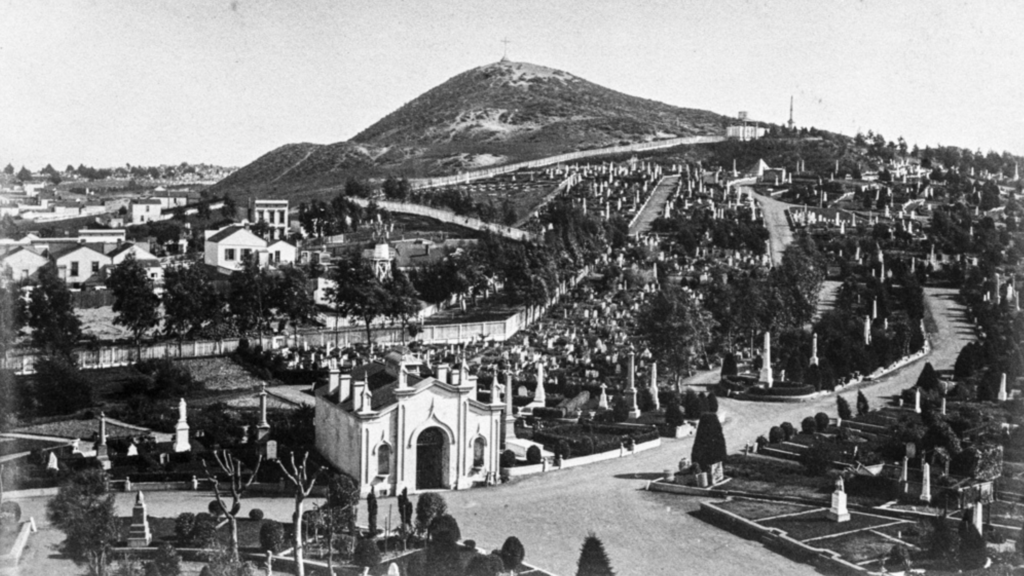
The headstones mostly stayed behind. The bodies moved for free, KQED reports, but families had to pay to keep a tombstone, and most stones never made the trip. The city put them to work. Discarded tombstones went into a seawall along the Great Highway, and crypts were dumped in the bay as breakwaters. In 2012, wind and shifting sand uncovered gravestones at Ocean Beach. Pieces of headstones line a sidewalk in Buena Vista Park.

The Ones Left Behind

“They missed a lot of the bodies,” University of San Francisco historian Alan Ziajka told KQED. His campus stands on former cemetery land, and remains have turned up with every major excavation there.

Lincoln Park was laid out over the old City Cemetery without the bodies being removed. In 1993, a renovation at the Legion of Honor, the art museum in the park, uncovered about 750 of them. The National Park Service estimates that between 10,000 and 19,700 burials remain under Lincoln Park.
What the Earthquake Left

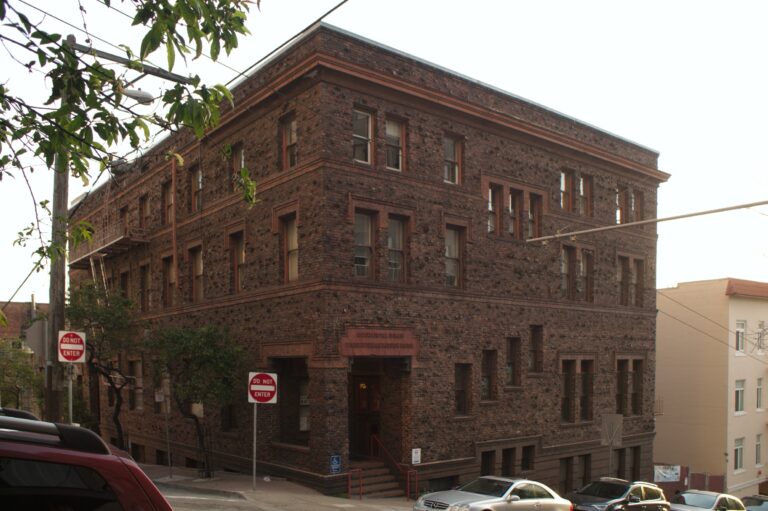
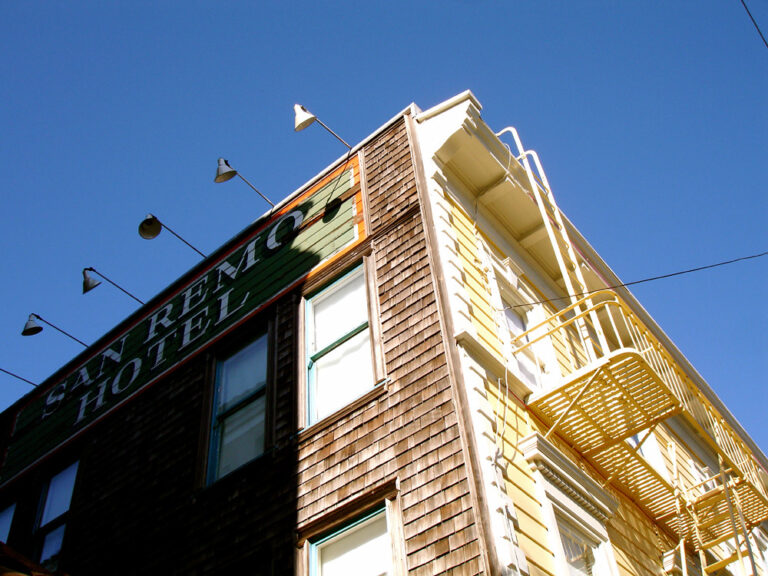
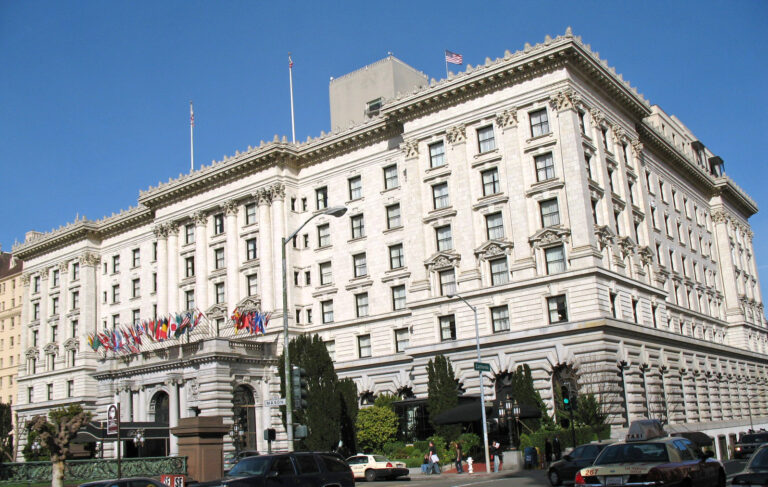
The 1906 earthquake runs through the ghost stories, too. The Fairmont was due to open the morning it struck, the hotel’s own history says. The San Remo Hotel went up that year to shelter people the fire had burned out. The mission home on Sacramento Street was dynamited as a firebreak and rebuilt as what is now Cameron House.
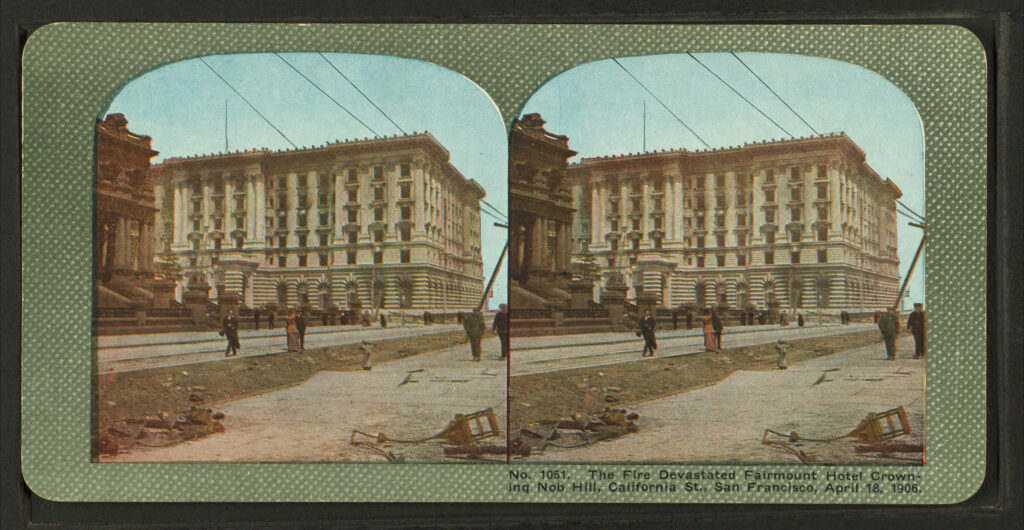
The fire also took the paper trail. It destroyed the city’s police and coroner’s reports, SFGate’s Katie Dowd wrote, and that is one reason the city’s best-known ghost can’t be checked. The White Lady of Stow Lake is said to be a mother whose baby drowned in the years before the earthquake. If there ever was a police report on the drowning, Dowd concluded, “it’s likely long gone.”

The Rock

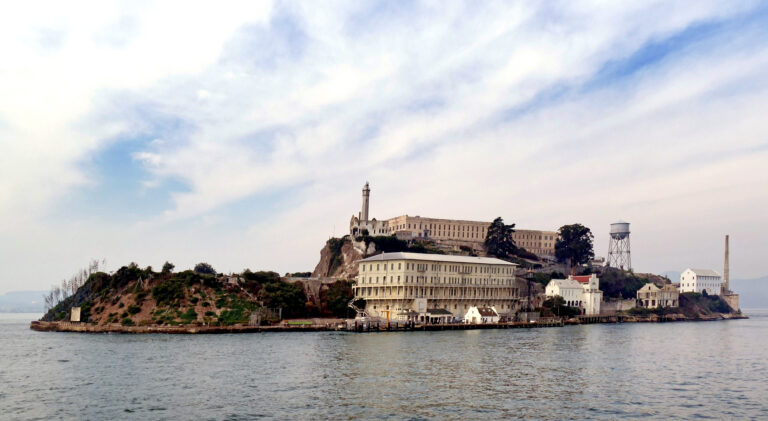
Out in the bay, Alcatraz adds a prison to the list. It held more than 1,500 federal inmates between 1934 and 1963, and at least four ghost-hunting television shows have filmed there since.
Places

Haunted Places in San Francisco

14 places, including 5 you can stay in

Museum

Alcatraz Island

Alcatraz held more than 1,500 federal prisoners between 1934 and 1963, and its ghost stories single out Cell 14-D, said to run almost 20 degrees colder than the rest of its block.

Park

Stow Lake

Golden Gate Park's Stow Lake dates to 1893, and SFGate calls its White Lady, a mother said to beg passersby to help find her baby, San Francisco's most famous ghost story.

Park

Mary Ellen Pleasant Memorial Park

Six eucalyptus trees mark where abolitionist Mary Ellen Pleasant's mansion stood until the 1920s, and ghost tour guides say her spirit still throws nuts from them at passersby.

Theater

Curran Theatre

Box-office treasurer Hewlett Tarr was shot dead at his ticket window in 1933, and the Curran's longtime manager says patrons keep seeing a young man in 1930s clothes in the lobby mirror.

Other

Cameron House

Dynamited in the 1906 fire and rebuilt in 1908, the Chinatown mission home that sheltered trafficked girls was, by the time author Julia Flynn Siler first visited, "mostly famous for being haunted."

Bar

Old Ship Saloon

This Pacific Avenue bar traces back to the Gold Rush ship Arkansas, which ran aground on Alcatraz in 1849, and its owner told the Chronicle that upstairs tenants report "some kind of ghostly presence."

Other

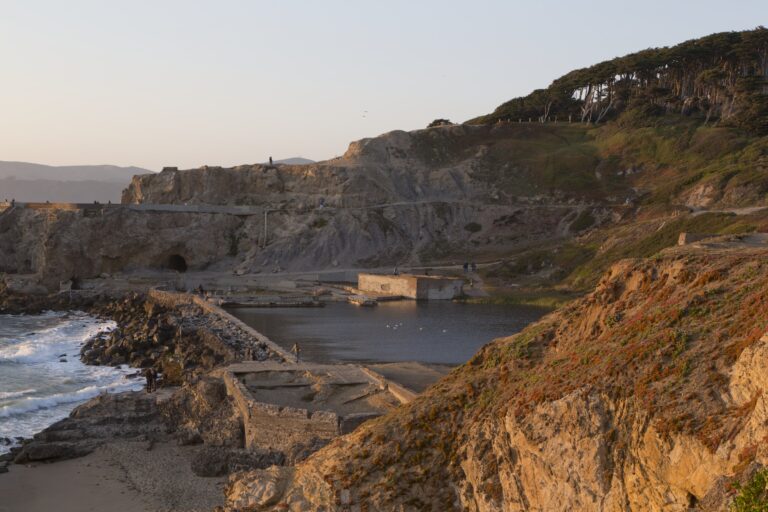
Sutro Baths

Adolph Sutro's 1896 bathhouse could hold 10,000 people before a 1966 fire left only ruins, and legend says a candle left in its sea tunnel will be thrown into the ocean by a ghost.

Museum

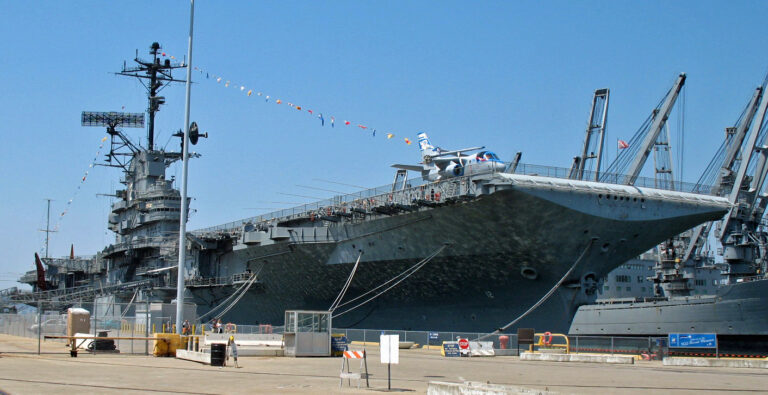
USS Hornet

The aircraft carrier that recovered Apollo 11 is now a museum in Alameda, where docents lead night tours and say visitors hear voices and see shadows.

Bar

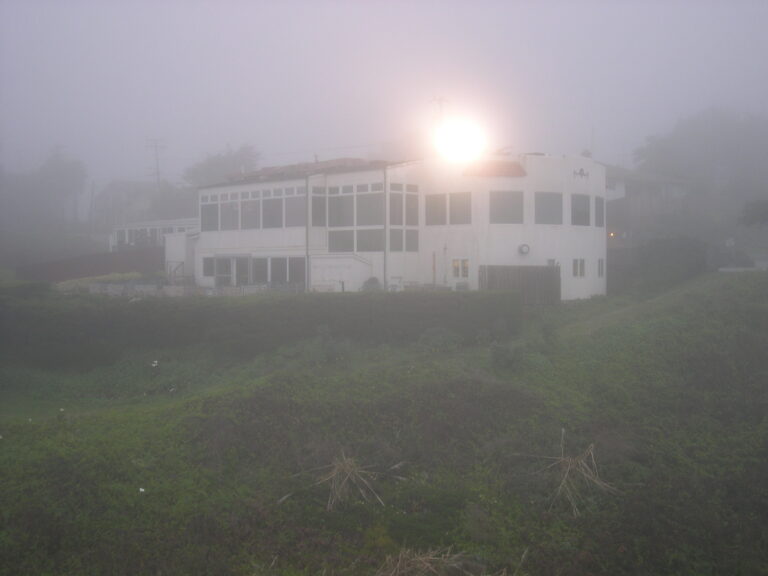
Moss Beach Distillery

Frank Torres built Frank's Place in 1927, and its Blue Lady ghost made it onto Unsolved Mysteries before Ghost Hunters found a ghostly face rigged into a bathroom mirror.

Dig deeper

Ghost Tours in San Francisco

7 tours

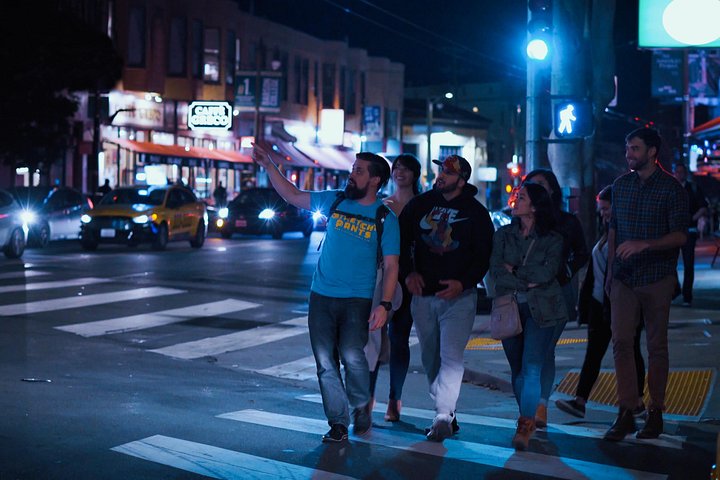
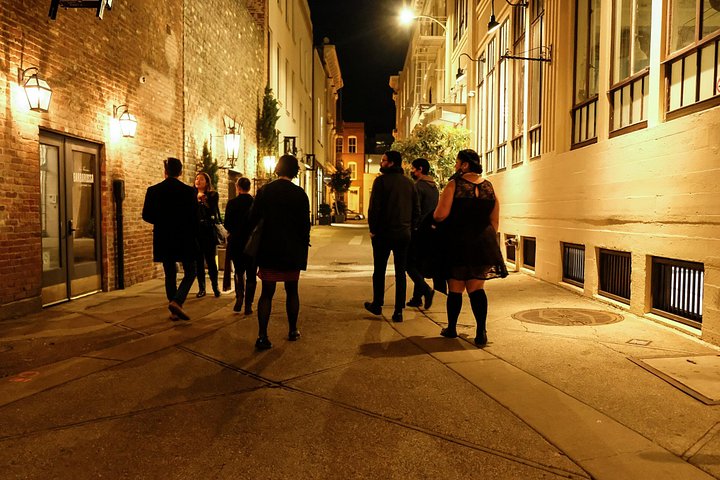
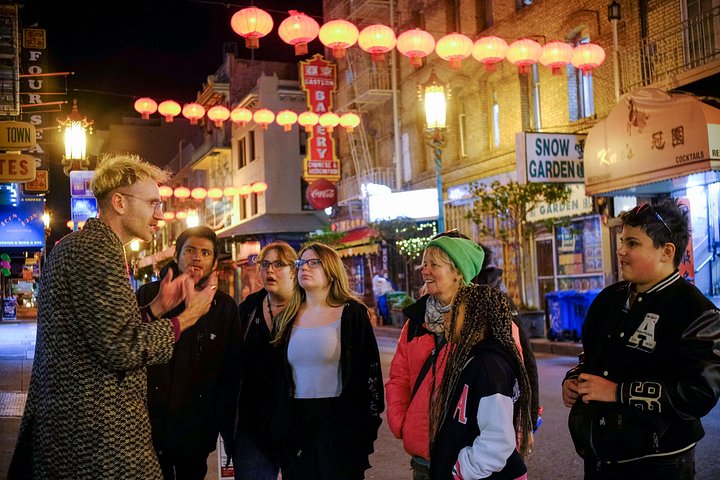
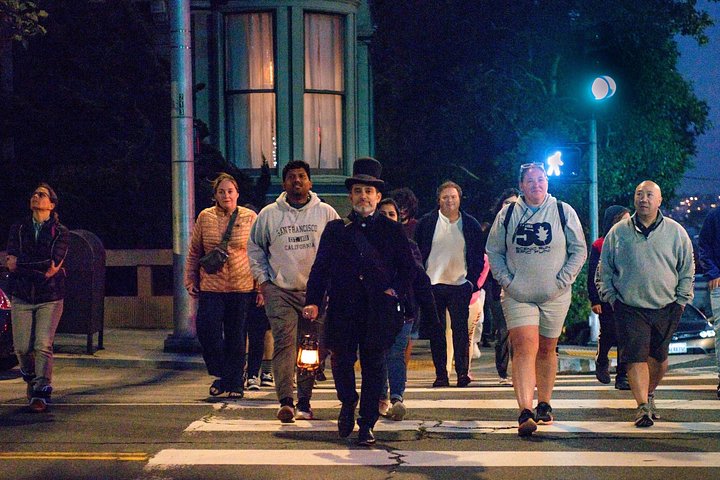
Most San Francisco ghost tours walk Chinatown, Nob Hill, or North Beach. Pick a Chinatown ghost hunt if you want the detectors in your own hands, a pub crawl through the old Barbary Coast if you’d rather hold a drink, or a lantern-lit walk past Victorian mansions. One tour goes inside a haunted hotel after dark, and another feeds you dinner along the way. Ratings combine Viator and Tripadvisor reviews.

See all 7 ghost tours in San Francisco

Quick Answers

6 questions
What is the most haunted place in San Francisco?

Alcatraz Island is the most investigated. At least four ghost-hunting television shows have filmed in the old federal prison, and its ghost stories center on Cell 14-D.

Is there a haunted hotel in San Francisco?

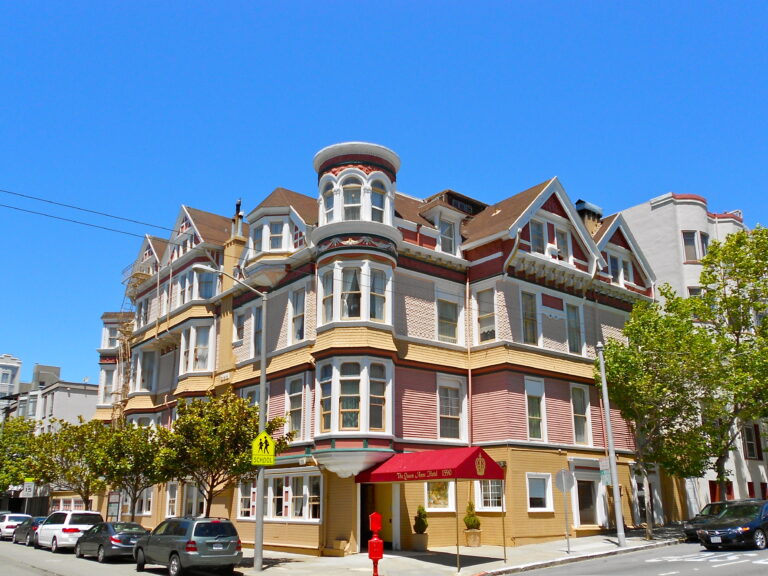
Several. The Queen Anne Hotel’s Room 410 is said to be haunted by headmistress Mary Lake. The Westin St. Francis has the Arbuckle suite in rooms 1219 to 1221, and guides send ghost hunters to Room 33 at the San Remo Hotel.

Who is the White Lady of Stow Lake?

The White Lady is the ghost of a mother said to walk the shore of Stow Lake in Golden Gate Park, asking for help finding her drowned baby. The lake has been officially named Blue Heron Lake since 2024.

Can you visit Alcatraz at night?

Yes. The National Park Service says evening tours of Alcatraz run on a set schedule, and the only way onto the island is the ferry that operates under its contract.

Why were San Francisco's cemeteries moved to Colma?

San Francisco banned burials in 1901 and ordered its cemeteries emptied in 1937. Nearly 150,000 bodies were moved to Colma, according to the San Francisco Chronicle, and the National Park Service estimates at least 10,000 were left under Lincoln Park.

Which San Francisco ghost tour should I take?

It depends on what you want. San Francisco Ghosts is the US Ghost Adventures brand, with a Nob Hill walk and a Barbary Coast pub crawl. The Haunt Ghost Tours hands out ghost-hunting gear in Chinatown. San Francisco Ghost Hunt is a lantern-lit walk led by storyteller Christian Cagigal.

Visit

Visiting San Francisco

  • Worth knowing: The only way onto Alcatraz is the ferry that runs under contract with the National Park Service, and evening tours run on a set schedule (National Park Service).
  • Worth knowing: Stow Lake was officially renamed Blue Heron Lake in January 2024, so newer maps and signs use that name (San Francisco Recreation and Parks).
  • Worth knowing: Two places on this page are outside the city: the USS Hornet is across the bay in Alameda, and Moss Beach Distillery is down the coast in Moss Beach.

Contributors

Spookt Logo
Sources (10)

National Park Service

the buried Gold Rush ships and the Niantic (San Francisco Maritime), the City Cemetery under Lincoln Park, the Ohlone and the missions, Alcatraz, Mary Ellen Pleasant

FoundSF

Mission Dolores, the Gold Rush fires, the Barbary Coast and shanghaiing, Chinatown, and the cemetery removal timeline

KQED

why the dead are in Colma, Gold Rush population figures, the plague, the St. Francis Hotel, and guide Christian Cagigal on Mary Ellen Pleasant

How San Francisco evicted thousands of dead people

San Francisco Chronicle · Gary Kamiya, 2018

SFGate

Gladys Hansen and the 1906 death toll, the vigilance committees, the plague, the Ocean Beach tombstones, Katie Dowd on the White Lady of Stow Lake, and Tess Collins on the Curran's ghost

USP Alcatraz

Federal Bureau of Prisons

Ghosts of Alcatraz

Legends of America · Kathy Alexander