

History
Naumkeag and the Harbor
Salem was Naumkeag, the “fishing place,” where generations of Indigenous people lived and passed through for centuries before Roger Conant moved his settlers here in 1626, ahead of the Massachusetts Bay Colony itself.
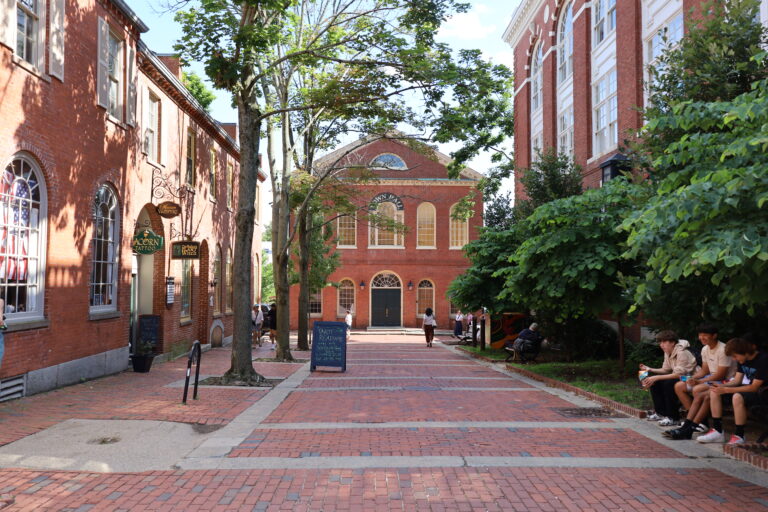
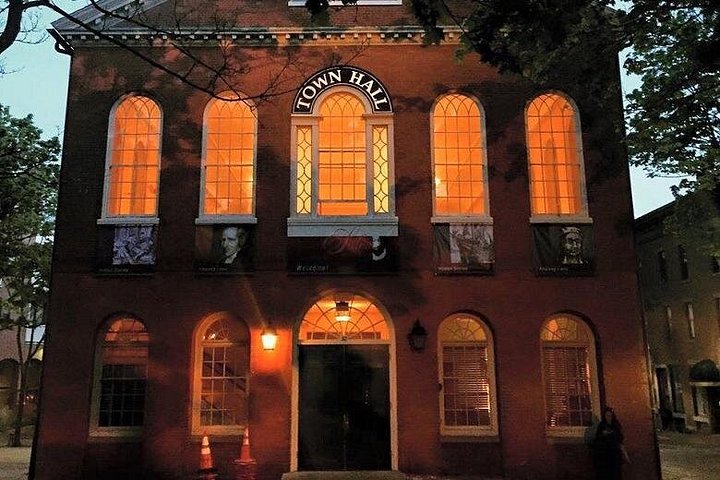
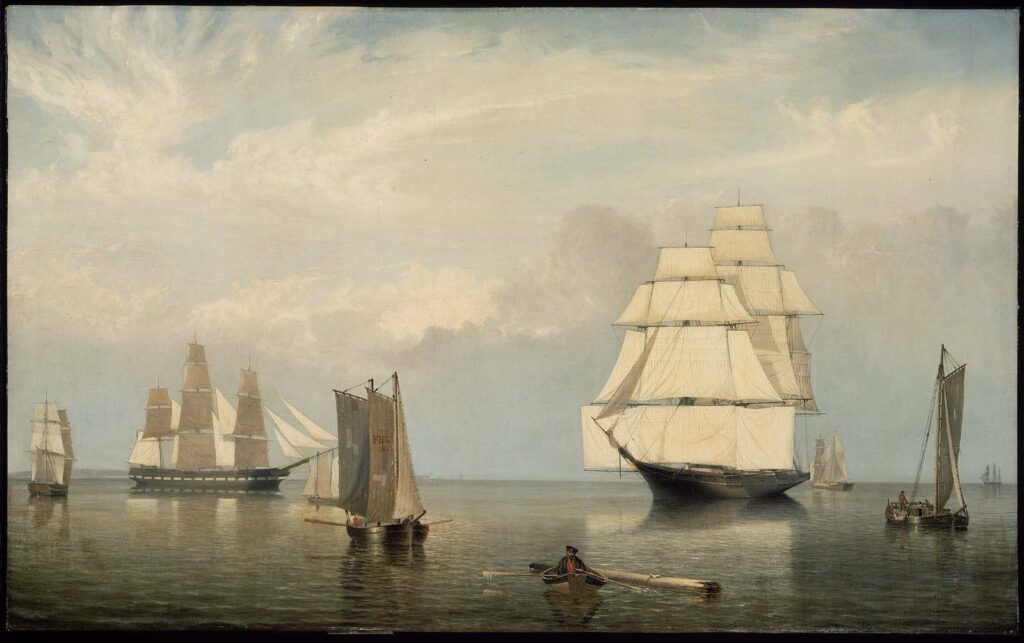
The harbor made the town. Salem’s ships sailed the world for trade. The Grand Turk came home from China in 1787 with more than 500 chests of tea, and the East Indies trade brought Salem’s leading merchant families, the Derbys and the Crowninshields, their greatest profits. Elias Derby’s mansion stood where Old Town Hall is now. Nathaniel Hawthorne held a post at the Custom House from 1846 to 1849, the job the National Park Service says inspired his classic novel, The Scarlet Letter.
1692
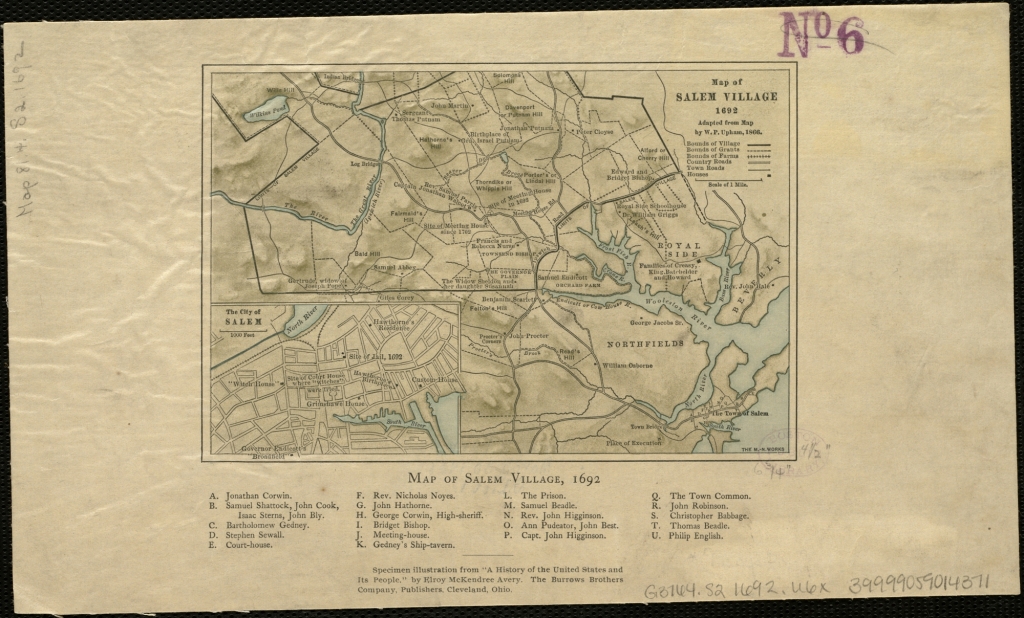
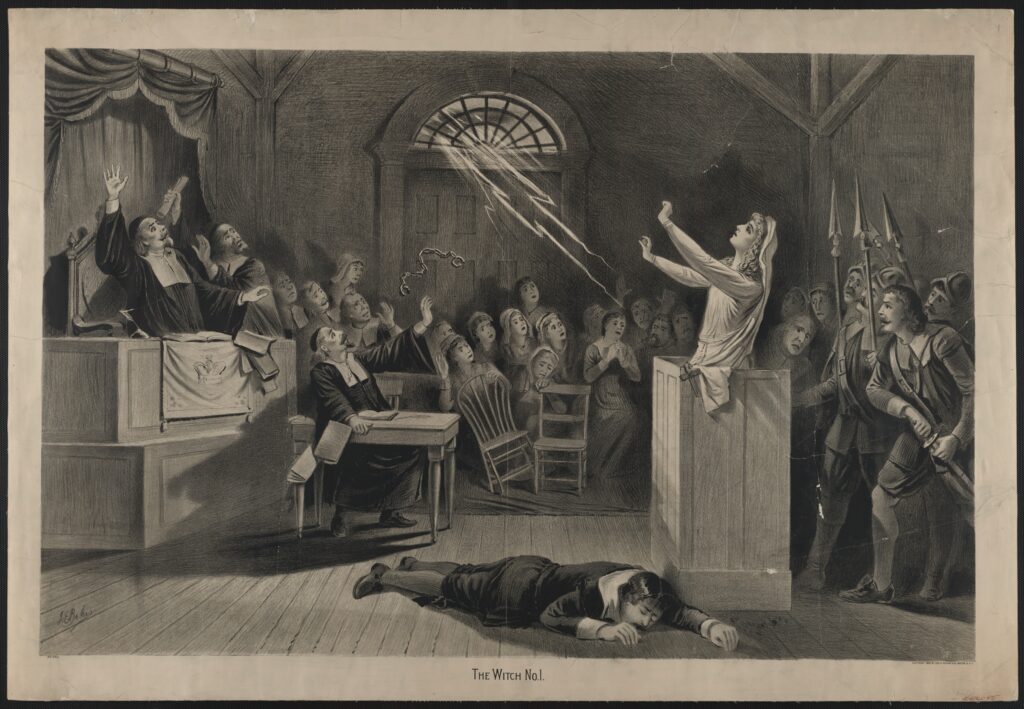
The witch hunt didn’t start in town. It began in February 1692 in Salem Village, the farming parish that is now Danvers, when two young girls showed signs of what was believed to be demonic possession. The colony’s newly appointed governor, William Phips, set up a special Court of Oyer and Terminer. It accepted “spectral evidence”: a witness’s word that the accused person’s spirit, or “spectral shape,” had come to them while the accused’s body was somewhere else. No alibi could answer that. Accusations spread across 24 communities.
In early October, Boston ministers led by Increase Mather, the president of Harvard College, pressed Phips to stop the trials. He barred spectral evidence, then shut the court down on October 29. When it was over, at least 155 people had been jailed, 19 were hanged, Giles Corey was crushed to death with stones, and at least five more died in jail. Massachusetts voted to clear the accused and pay restitution in 1711, and apologized in 1957.
The Witch City
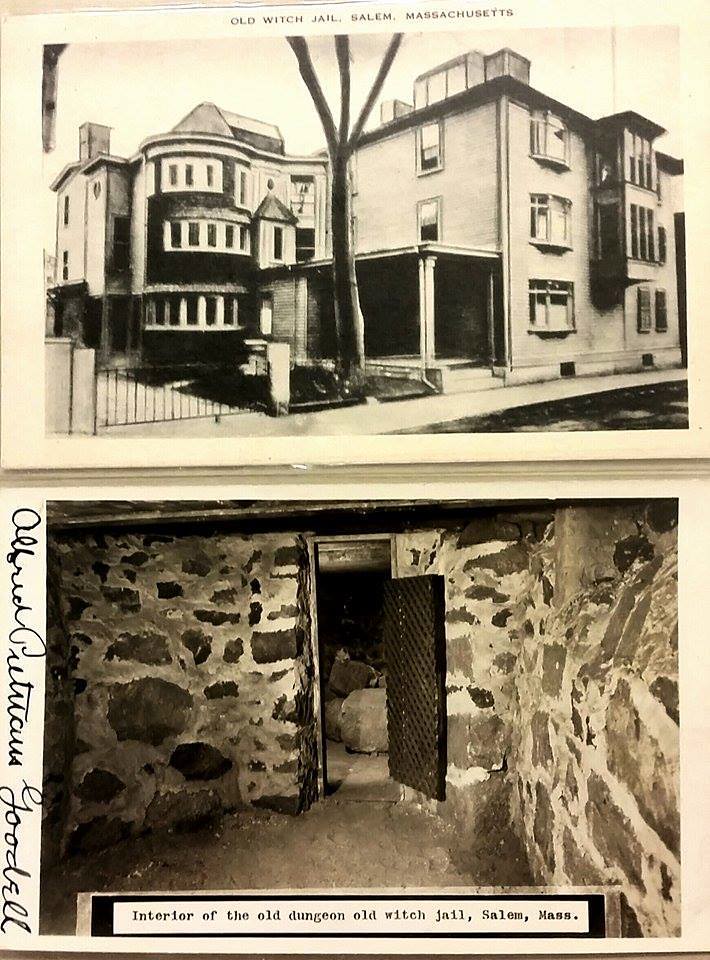
Salem leaned in. The trials’ bicentennial in 1892 brought postcards, guidebooks, and souvenirs, and spread the “Witch City” name.
The television show Bewitched filmed here in 1970, and Laurie Cabot opened what is believed to be America’s first witch shop on Derby Street. In 1982, the Chamber of Commerce and the Salem Witch Museum started Haunted Happenings, and about 50,000 people came that first October.
Why Is Salem Haunted?
“You can throw a rock down Essex Street, and you’re going to hit a haunted location in Salem,” the paranormal journalist and author Sam Baltrusis told the Boston Globe in 2018. The best known of those ghosts go back to 1692: a court that took ghosts as evidence, the 25 people who died because of it, and the judges and the sheriff who stayed in town.
Spectral Evidence
Salem’s ghost stories start in a courtroom that took a specter’s visit as evidence, and the trial papers carry ghosts of their own. Ann Putnam was one of the most active accusers. Her father, Thomas, wrote to Judge Samuel Sewall that she had seen “a man in a Winding Sheet,” who told her that Giles Corey had pressed him to death. “It must be done to him as he has done to me,” the ghost said. In September 1692, Corey was pressed to death himself, and Salem has told stories about his ghost ever since.
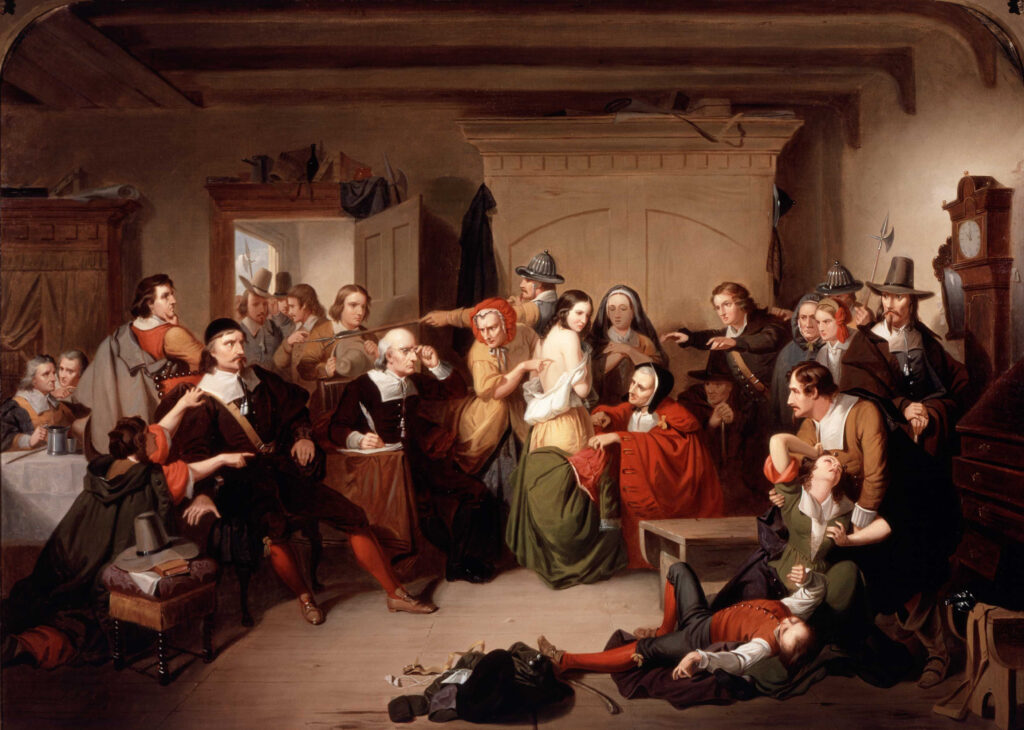
Baltrusis traces the city’s ghost lore straight back to that courtroom. “My theory in my new book is that the reason why Salem is so weird about the ghost lore is due to the spectral evidence from 1692,” he said.
The Executions
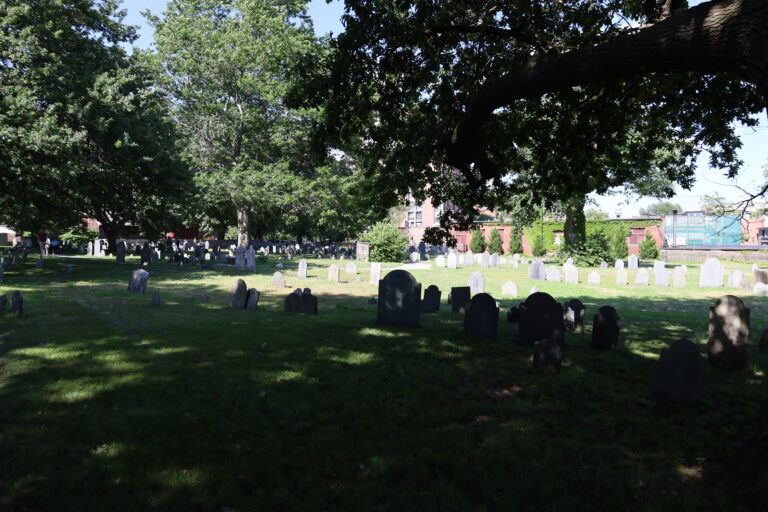
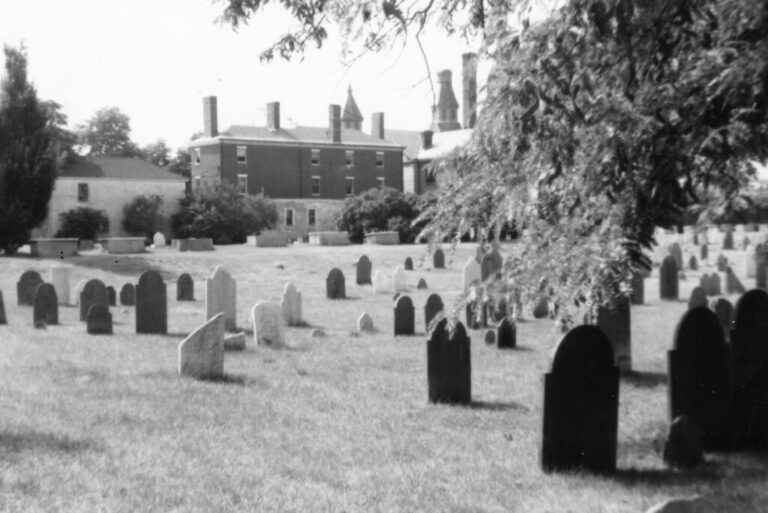
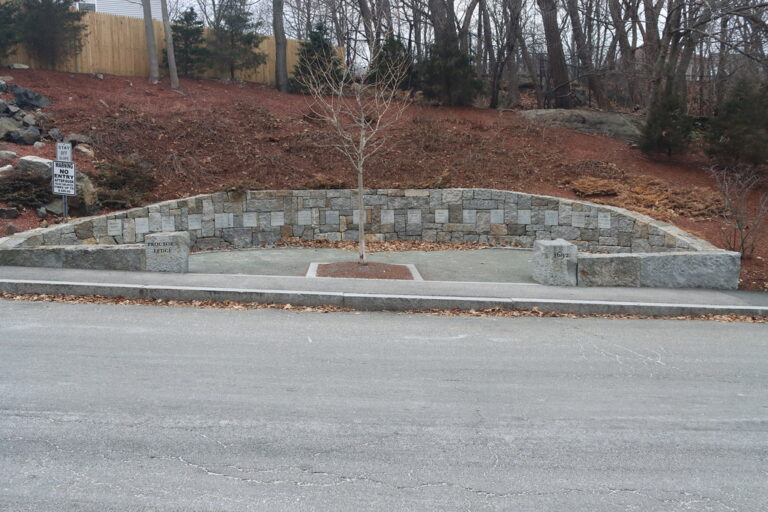
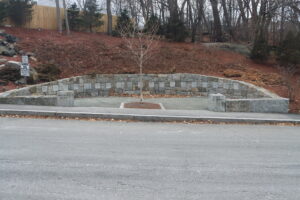
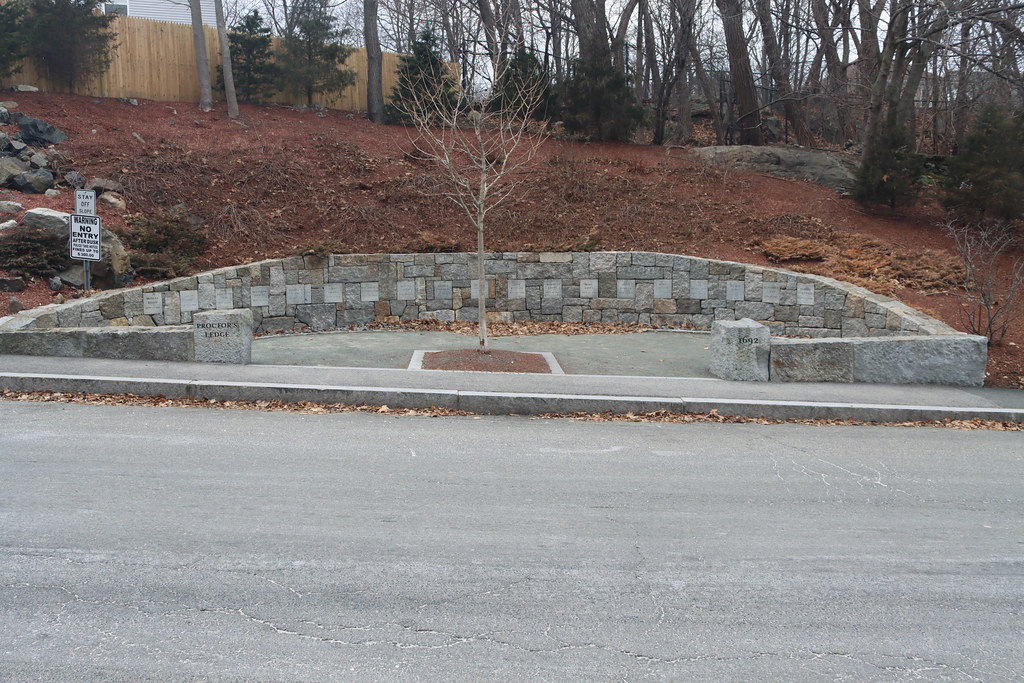
At least 25 people died in the witch hunt. Nineteen were hanged, Giles Corey was pressed to death, and at least five died in jail. Salem’s ghost stories put many of them back where they suffered. Corey is said to haunt Howard Street Cemetery, near the field where he was pressed. Bridget Bishop’s ghost is said to haunt the ground of her old orchard, where Turner’s Seafood at Lyceum Hall stands now. Guides say the souls of the 19 who were hanged at Proctor’s Ledge have never left it.
The Judges and the Sheriff
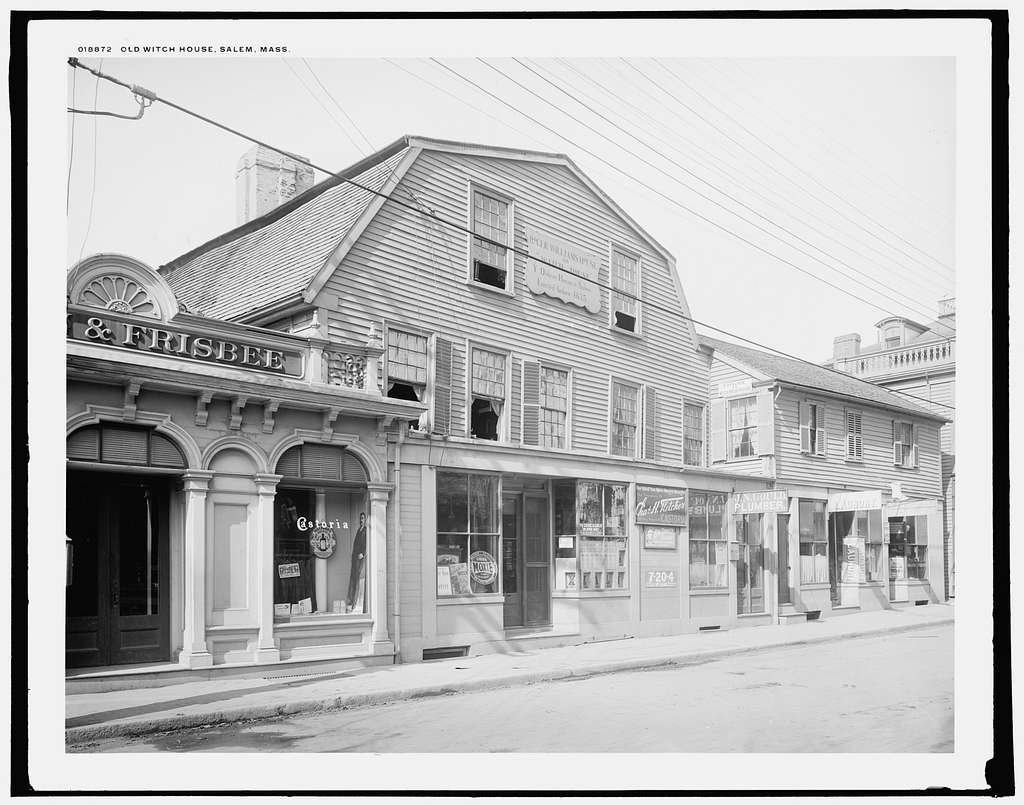
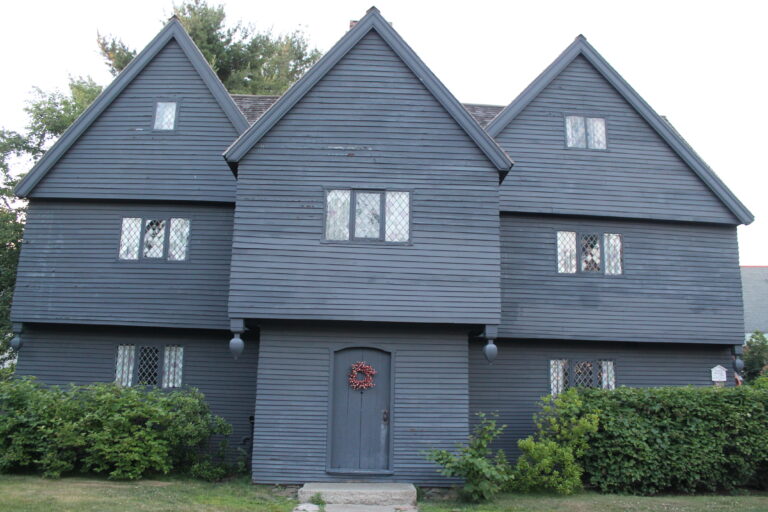
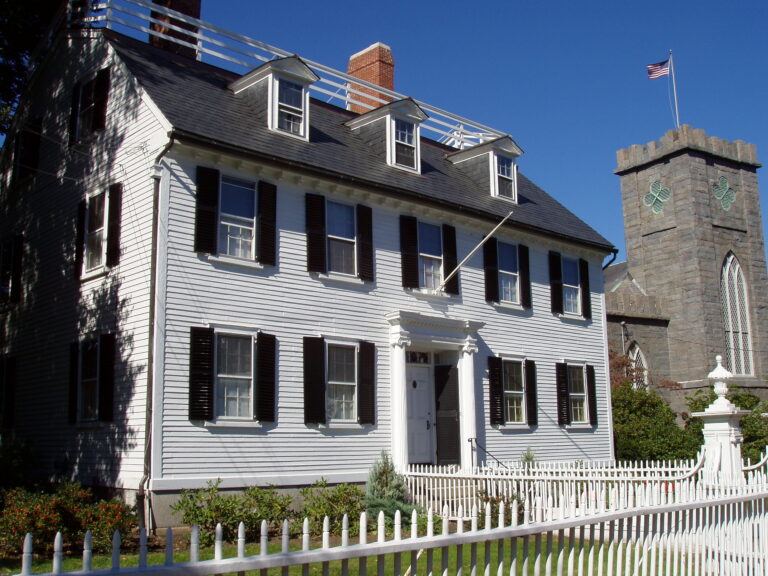
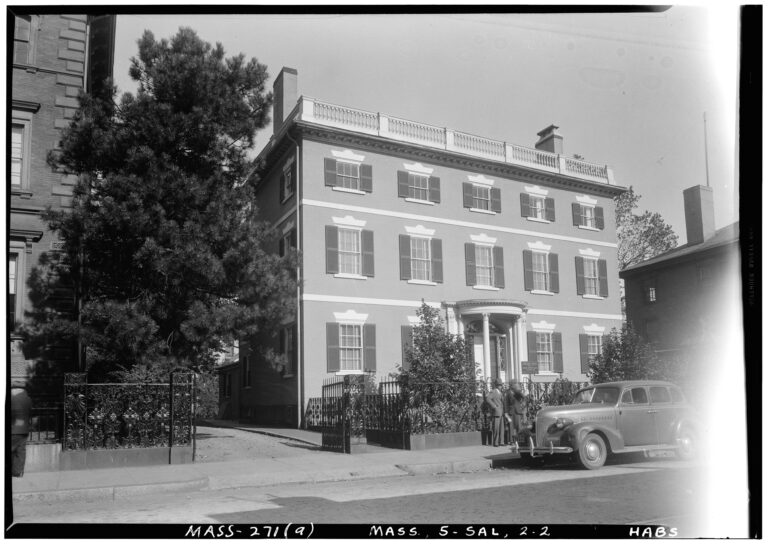
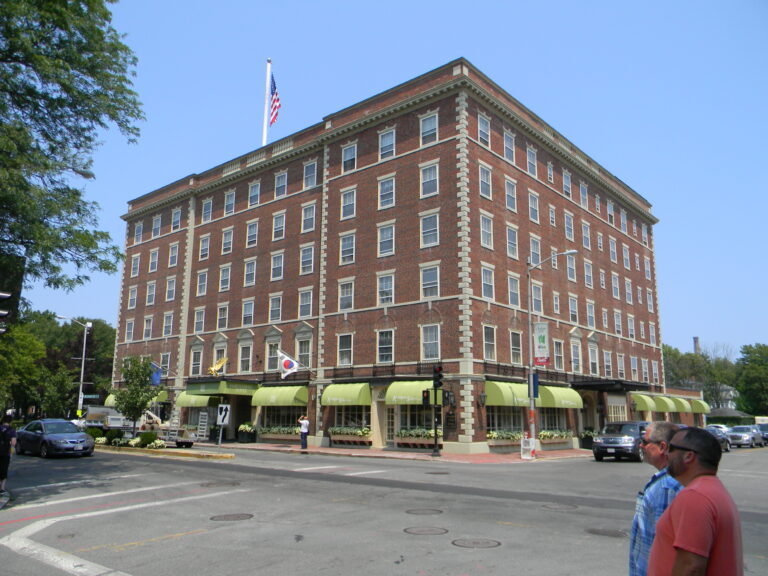
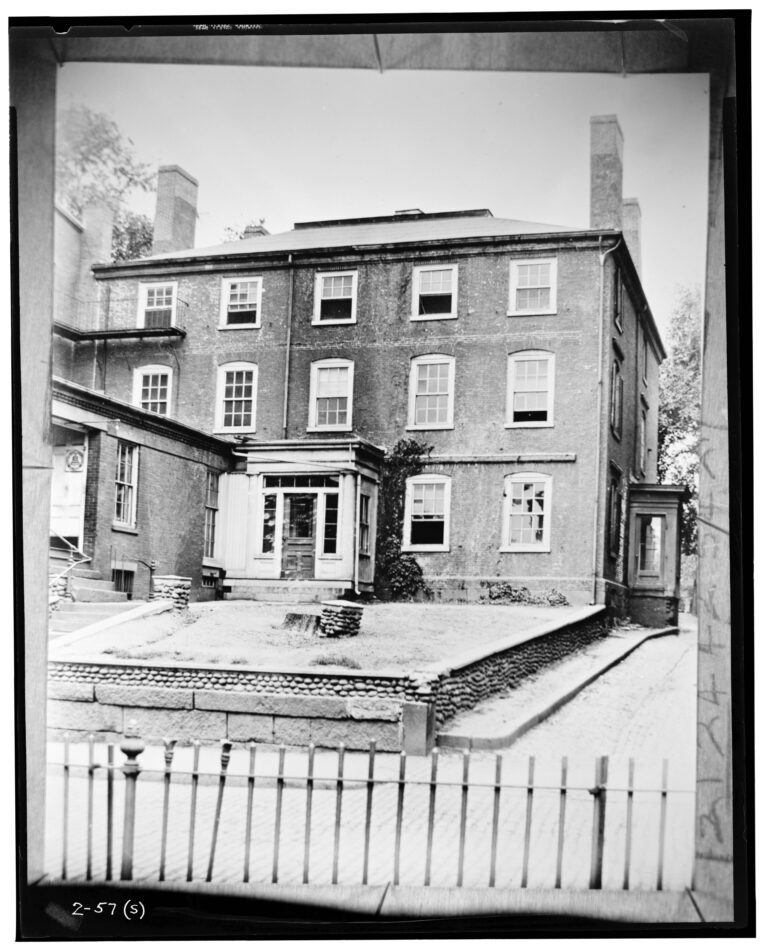
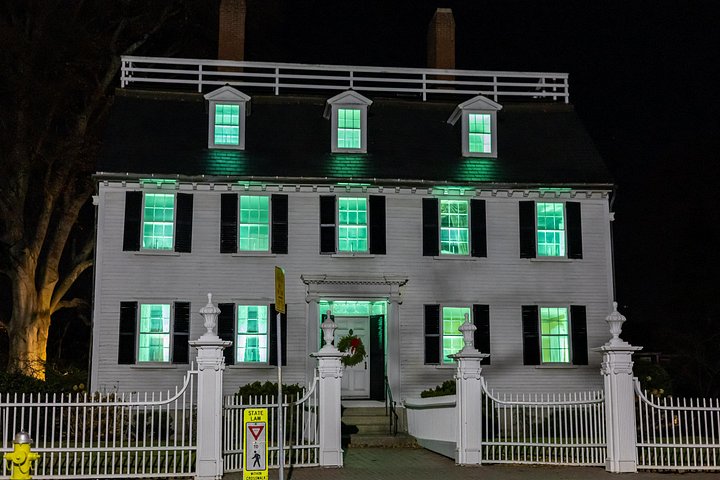
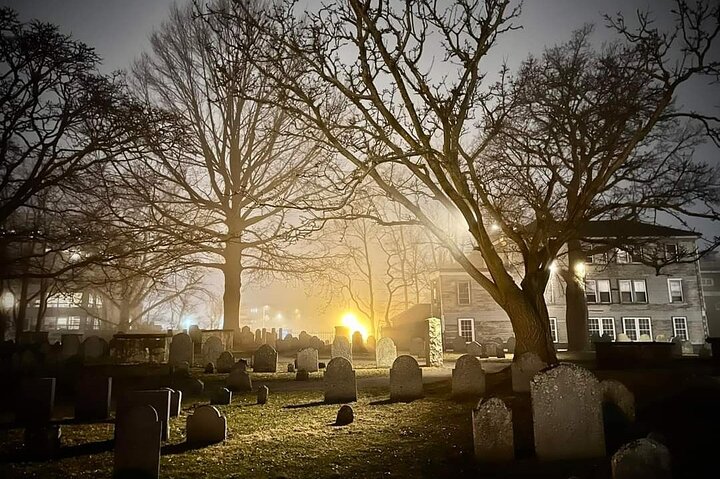
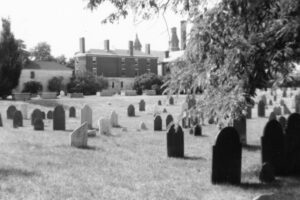
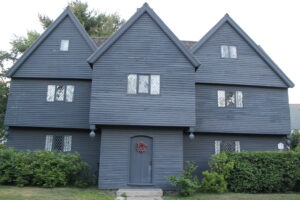
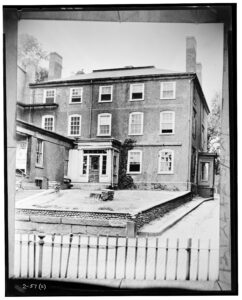
The men who ran the trials stayed in Salem, and their graves and houses are ghost-tour stops now. Judges John Hathorne and Bartholomew Gedney are buried in the Old Burying Point, laid out in 1637, where a woman in white is said to walk among the stones. Hathorne was the great-great-grandfather of the novelist Nathaniel Hawthorne. Judge Jonathan Corwin’s house is the Witch House, one of the stops Salem’s ghost tours share most. His nephew George, the high sheriff in 1692, lived on Washington Street, where the Joshua Ward House stands now. Both houses have ghost stories of their own.